
Kitchen Cabinet Buying Guide: Construction, Materials and Options That Actually Matter (2026)
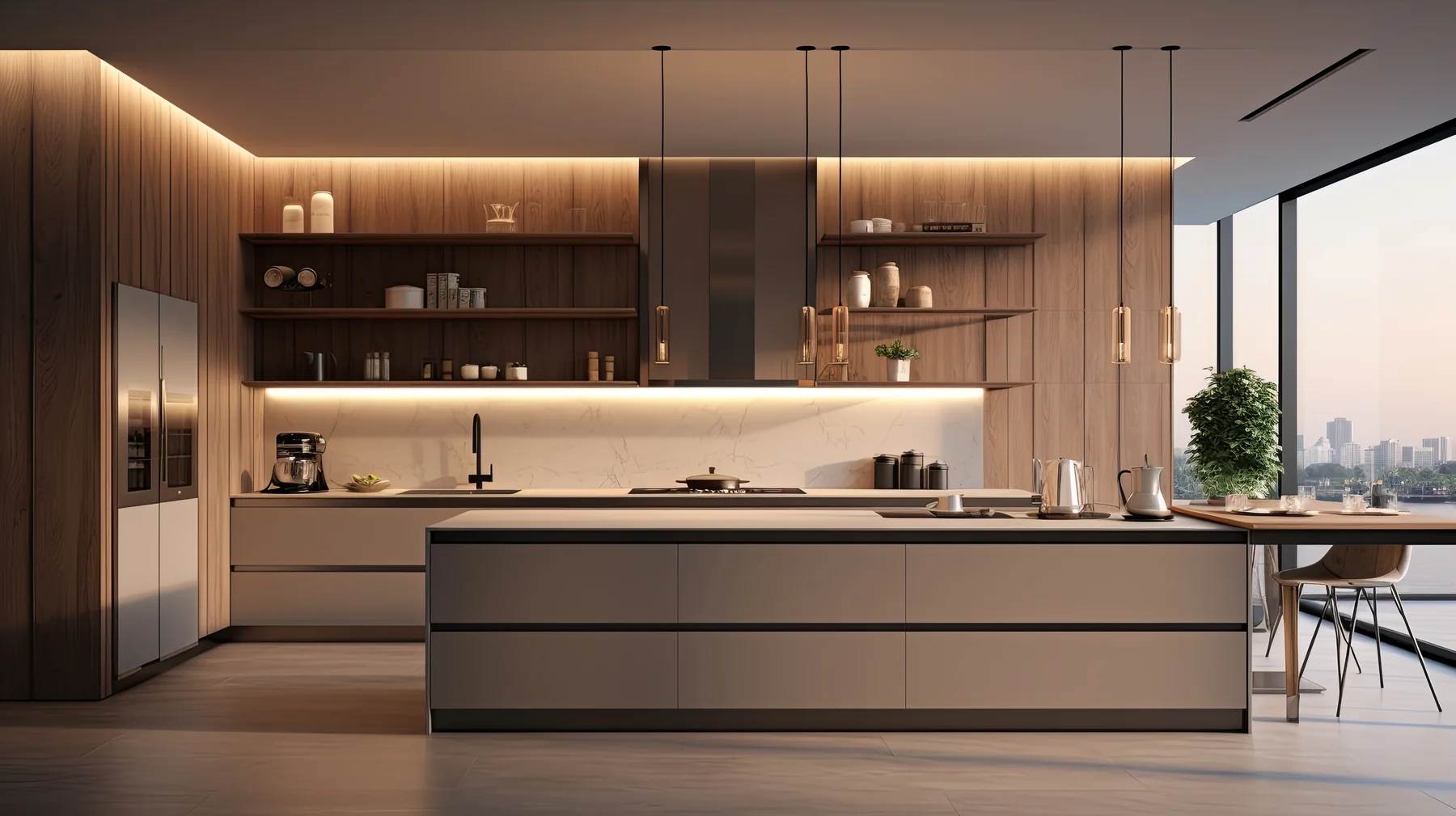
Cabinetry is the single largest line item in most kitchen remodels, and also the one homeowners are least equipped to evaluate on their own. A showroom display makes every option look similar at a glance, finish, color, hardware, and the real differences, box construction, material, drawer engineering, show up only after years of daily use, or after a specific line item turns out to cost far more than expected. This guide walks through what is actually behind the cabinet door: the construction types, the materials, the door and drawer details that separate a cabinet line built to last decades from one built to look good in a listing photo, and the questions worth asking before a single order is placed.
Framed vs. Frameless Construction
Every cabinet box is built one of two ways, and the choice affects storage access, door style options and price before a single finish or material decision is made.
| Construction type | How it is built | Trade-offs |
|---|---|---|
| Framed (face-frame) | A solid wood frame is attached to the front of the box; doors and drawers mount to that frame. | Traditional look, slightly less interior storage access per cabinet opening, generally more forgiving of minor wall or floor irregularities during installation. |
| Frameless (full-access, European-style) | The door attaches directly to the box sides; there is no face frame. | Full, unobstructed access to the interior of every cabinet, cleaner and more contemporary look, typically requires more precise installation. |
What the Box Is Actually Made Of
The cabinet box, the part never seen once installation is finished, is where cost-cutting is easiest to hide and most expensive to live with. Ask directly what material the box, not just the door, is built from.
| Material | What it is | Durability notes |
|---|---|---|
| Plywood (typically 1/2" to 3/4") | Layers of real wood veneer glued and pressed together. | Holds screws and hardware weight well over time, resists moisture and sagging better than engineered panel alternatives, generally the benchmark for a durable box. |
| Particleboard | Wood particles and resin, compressed into a panel. | The most common builder-grade box material; can sag under heavy countertop or dish weight if the structure is not well engineered, and is more vulnerable to swelling if water gets in. |
| MDF (medium-density fiberboard) | Wood fibers bonded under heat and pressure into a dense, smooth panel. | Smoother surface than particleboard, machines cleanly for painted doors, heavier than plywood and still moisture-sensitive without a sealed edge. |
Door and Drawer Construction: Where the Price Difference Is Really Coming From
Two cabinet lines that look identical from across a showroom can be built completely differently where it matters most: the drawer box and the door-to-frame fit.
| Feature | What to look for | Why it matters |
|---|---|---|
| Drawer box material | Solid wood or plywood with dovetail joinery, not stapled particleboard. | Dovetailed drawer boxes resist racking and separating under daily use; stapled joints loosen over a few years. |
| Drawer slides | Full-extension, soft-close, rated for the load (heavier for pot and pan drawers). | Determines whether the back of a drawer is actually reachable, and whether drawers slam or ease shut. |
| Door overlay | Full overlay, partial overlay, or inset, confirmed against the style shown, not assumed. | Full overlay reads as more contemporary and shows less face-frame; inset is the most labor-intensive and costly to build well. |
| Hinges | Soft-close, adjustable, rated for the door weight and number of openings per day. | Adjustable hinges let a door be re-aligned years later rather than replaced. |
Door Styles and Finish: The Decision That Is Actually About Maintenance
Door style is usually chosen on looks alone, but it also sets how the kitchen will be cleaned and touched up for the next fifteen to twenty years.
- Shaker (recessed-panel): the most common choice in the region right now; flat center panel with a simple frame, forgiving of both traditional and modern kitchens.
- Slab (flat-front): cleanest, most contemporary look; shows fingerprints and water spots more readily in a high-gloss or dark finish.
- Raised-panel: a traditional profile with more surface detail; more corners and edges to clean.
- Painted finish: can be touched up locally, but color-matching an older painted finish years later is difficult; chips show clearly on dark colors.
- Stained wood finish: hides minor wear better over time, and small scratches are easier to disguise than on a painted surface.
Stock, Semi-Custom, or Custom: Matching the Choice to the Project
This decision affects price, lead time and design flexibility more than any single material choice, and it is the same tier structure that drives the overall kitchen budget discussed in our guide to what kitchen remodels actually cost in Northern Virginia.
| Tier | Sizing and options | Typical lead time |
|---|---|---|
| Stock | Fixed set of standard sizes and a limited finish selection. | Shortest lead time, usually the fastest cabinetry can be delivered. |
| Semi-custom | Standard box sizes with a wider range of finishes, door styles, and modification options (added trim, different depths, specialty storage inserts). | Moderate lead time; the most common choice for a full kitchen remodel in this market. |
| Custom | Built to the exact dimensions and specifications of the kitchen, with full control over every material and configuration. | Longest lead time, and usually the longest single lead-time item on an entire kitchen remodel schedule. |
How Cabinet Choice Shows Up in the Overall Schedule
Cabinetry is not just the biggest line item on a kitchen budget, it is also usually the longest lead time on the entire project, which is why finalizing this decision early matters more than almost any other selection. The order in which that decision interacts with demolition, rough-in and countertop templating is covered in detail in our week-by-week kitchen remodel timeline.
Questions to Ask Before Placing a Cabinet Order
Ask the same questions of every cabinet line under consideration, whether it is being supplied directly by a contractor or sourced separately.
- 1. What is the box made of, specifically, not just the door and face?
- 2. Is the construction framed or frameless, and does that match the look shown in the sample or rendering?
- 3. What is the drawer box material and joinery, and are drawer slides full-extension and soft-close?
- 4. What is the warranty on the cabinetry itself, separate from the installation warranty?
- 5. What is the current lead time for this specific line, and does it match the project schedule?
- 6. Can a sample door and drawer be inspected in person before the order is placed?
What This Looks Like With Dzala
Cabinetry selections on every kitchen remodel are guided in person, with real samples, against the specific layout and budget tier already discussed, rather than left for a homeowner to source alone against a deadline. Every selection is finalized before demolition begins, so the longest lead-time item on the schedule starts the day the project does, not after. For the layout and contractor-vetting side of this decision, see our guide to choosing a kitchen remodeling contractor and our kitchen remodeling services page.
Is frameless cabinetry always better than framed?
Not categorically, it depends on the kitchen and the look being pursued. Frameless offers more usable interior space per cabinet opening and reads as more contemporary; framed construction is the more traditional look and tends to be more forgiving during installation in an older home where walls and floors are less perfectly square.
Is plywood always worth paying more for over particleboard?
For the box itself, in most cases yes, particularly under the sink, around the dishwasher, and anywhere moisture exposure is more likely, since plywood resists swelling and holds hardware better over the life of the kitchen. Particleboard performs acceptably in drier upper cabinets when the overall construction and hardware are otherwise solid.
How much does cabinet choice alone move the total kitchen budget?
More than almost any other single decision. Moving from a stock to a semi-custom line, or from a builder-grade box material to plywood throughout, can shift a kitchen from one cost tier to the next on its own, independent of countertop or appliance choices. See our kitchen remodel cost guide for how cabinetry fits into the overall budget picture.
Should cabinets be ordered before or after the kitchen layout is finalized?
After. Cabinet dimensions and configuration should be the output of a finalized layout, not the other way around, since changing the layout after cabinets are ordered usually means a costly reorder and a schedule delay on the project’s longest lead-time item.
Planning a project like this in Northern Virginia or Maryland? The consultation and the written quote are free.
Get A Free QuoteMore from the journal
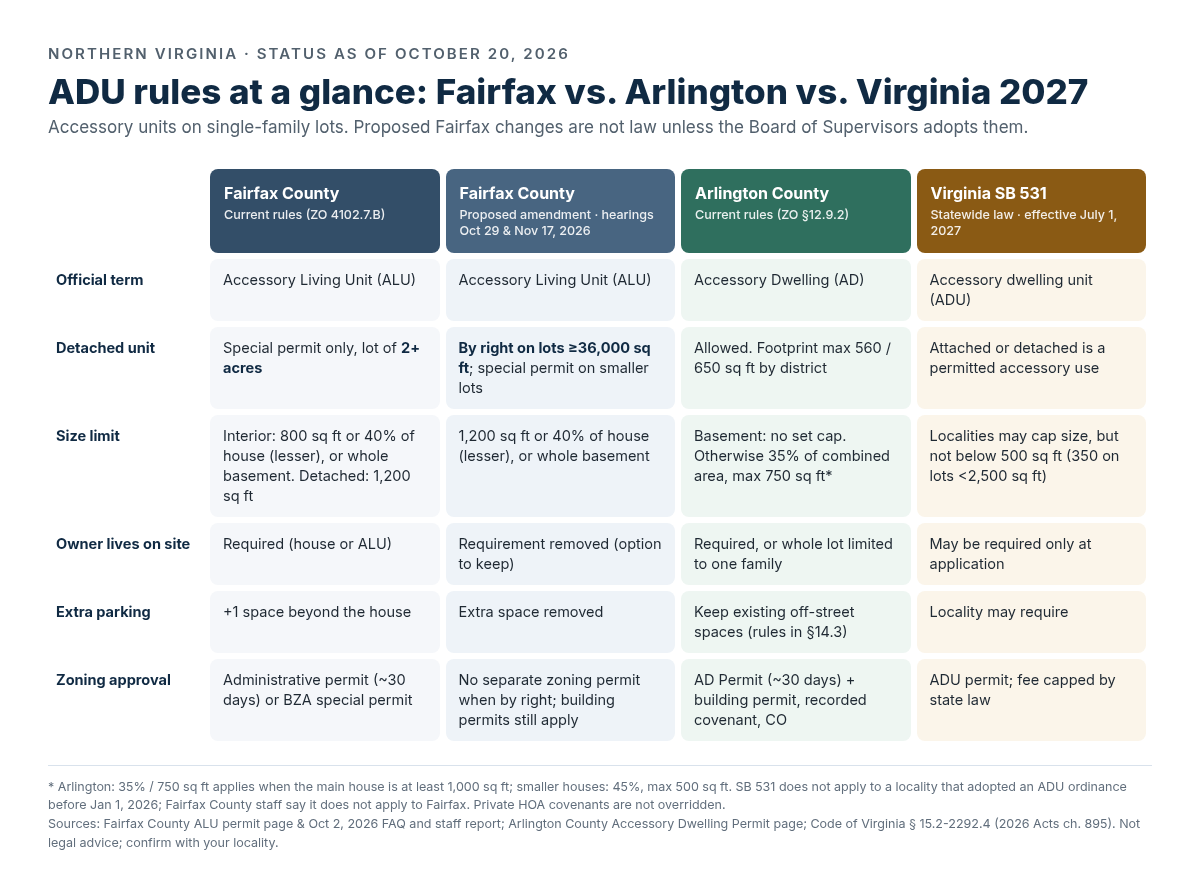
Can You Build an ADU or In-Law Suite in Northern Virginia? Fairfax, Arlington and the New Virginia ADU Law Explained (2026)
Continue Reading
How Much Does a Whole-Home Remodel Cost in Northern Virginia? (2026 Price Guide)
Continue Reading
Bathroom Remodeling Contractor Checklist: What Should Happen Behind the Tile
Continue ReadingLet's get started.
Tell us about your property and what you would like to change. We will review the details and follow up within one business day to arrange your free in-home consultation and written quote.
No obligation and no sales pressure. Your information stays with us.