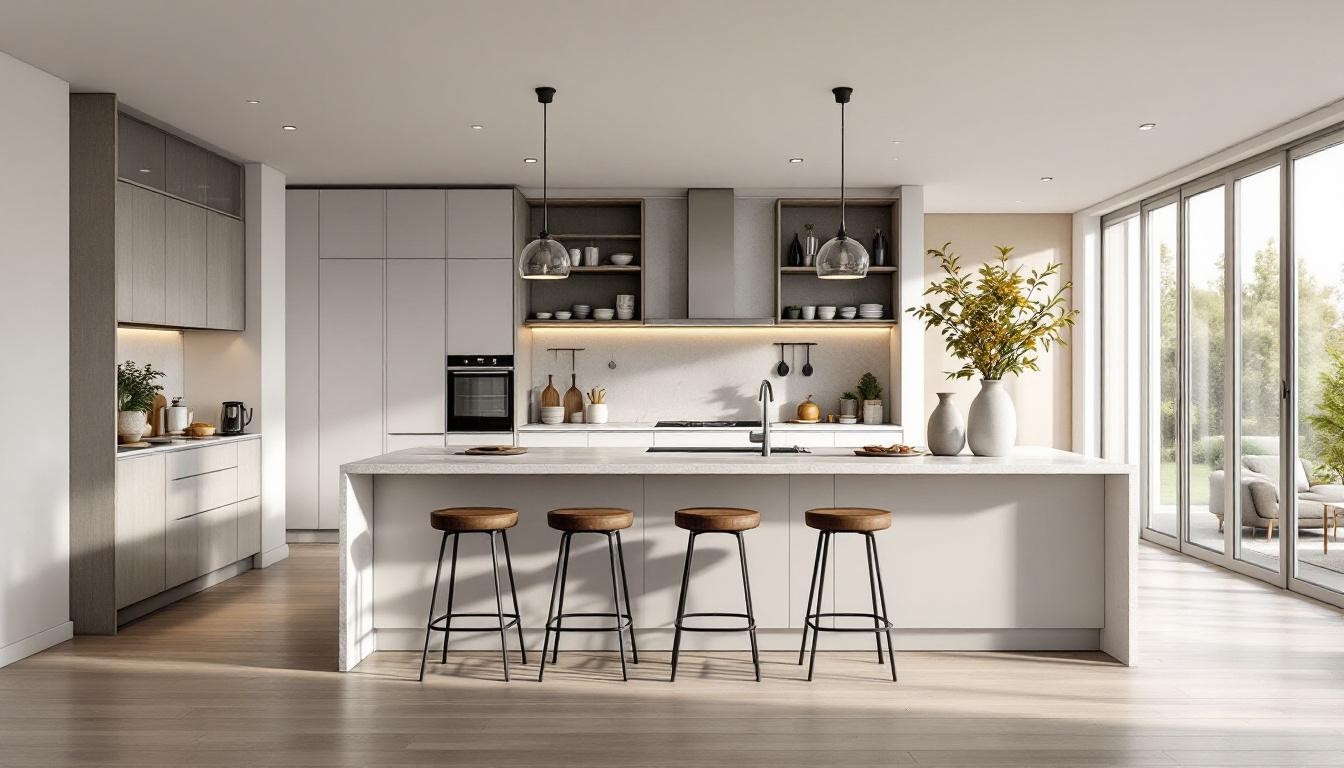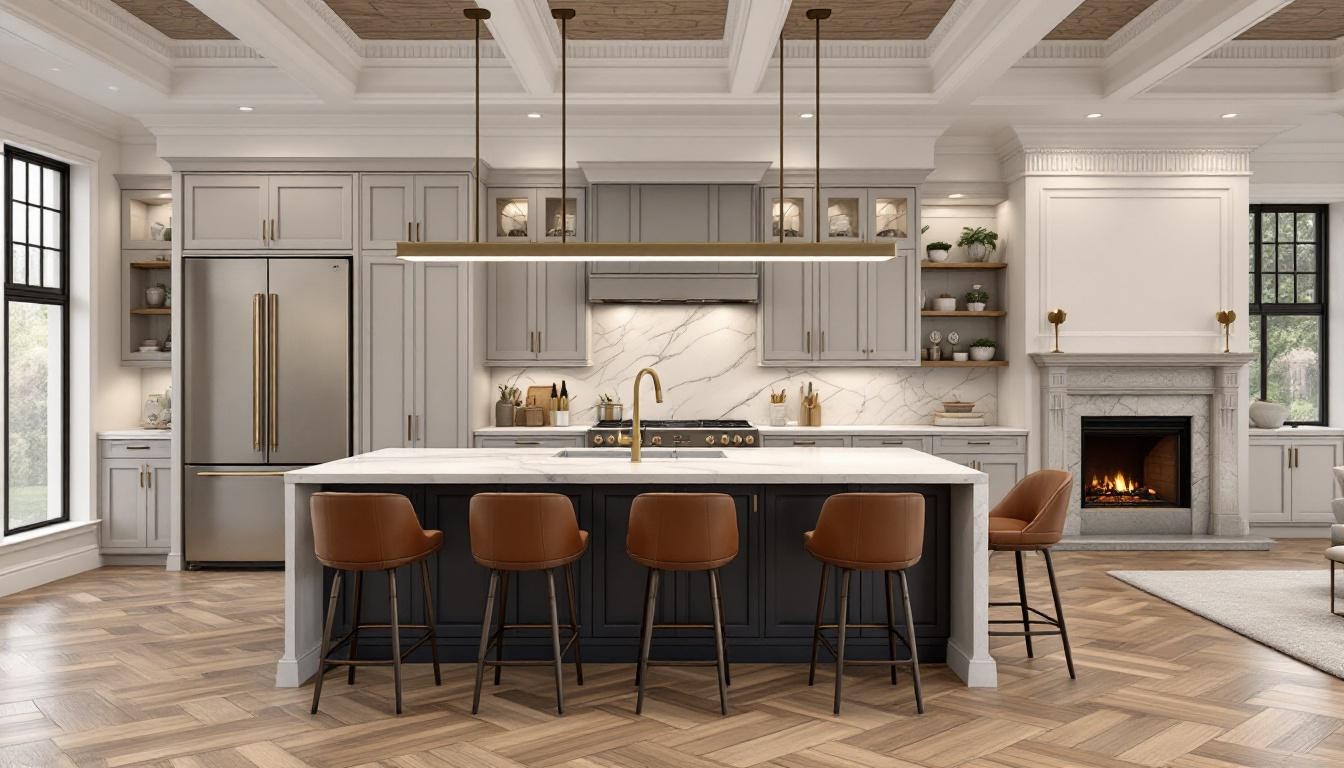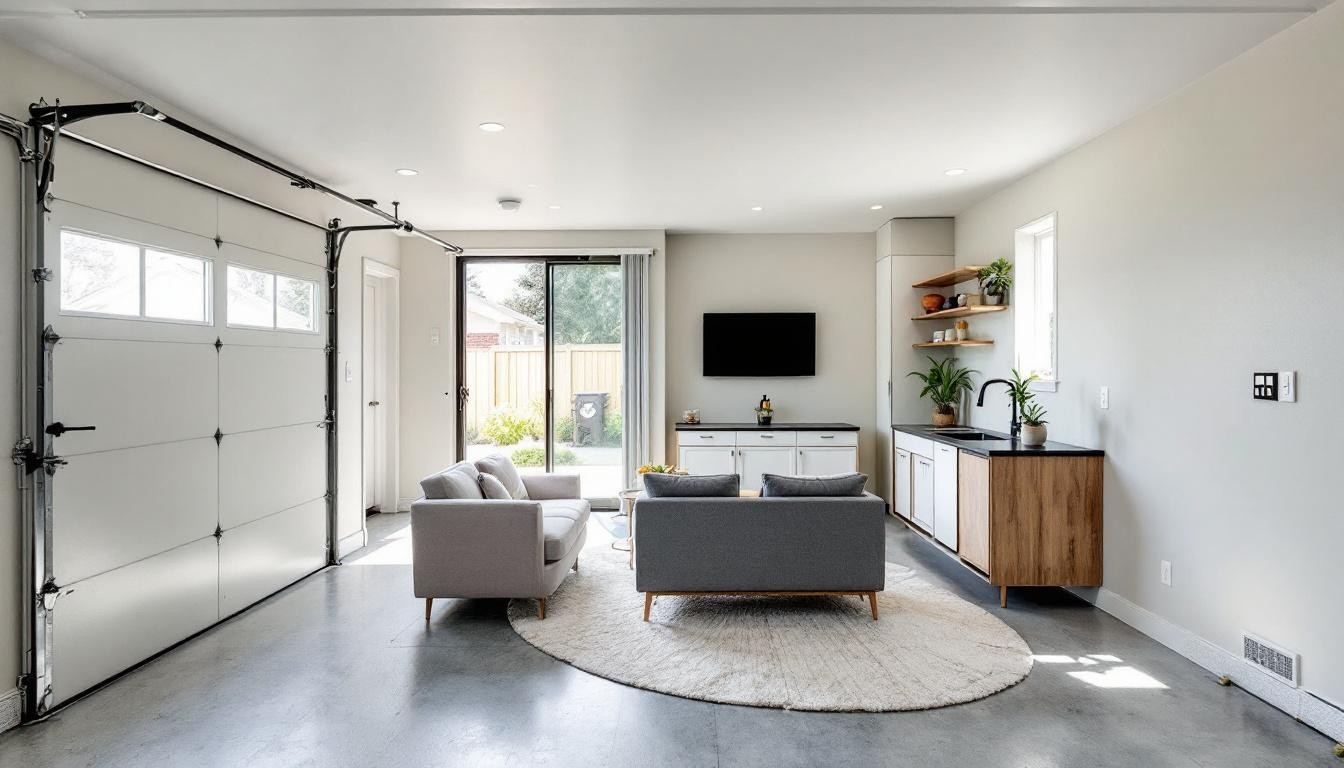
Small kitchens in Arlington, Vienna, and Tysons homes present unique design challenges that require creative solutions. We at Dzala General Contractor have transformed countless compact spaces into functional, beautiful kitchens.
The right kitchen remodel ideas for small kitchens pictures can inspire homeowners to maximize every square inch. Smart storage, strategic design choices, and current trends can completely transform your space without major structural changes.
How Can You Triple Your Kitchen Storage Space?
Storage challenges plague most small kitchens in Arlington, Vienna, and Tysons homes, but strategic solutions can triple your available space without expanding square footage. Wall-mounted magnetic knife strips save 12 inches of valuable counter space while pegboard systems hold up to 50 cooking utensils in just 4 square feet of wall area. Floor-to-ceiling cabinetry maximizes vertical real estate, with upper cabinets that extend to the ceiling adding 30% more storage compared to standard installations.
Vertical Storage Solutions
Wall-mounted shelves transform unused vertical space into functional storage zones. Open shelving systems can accommodate dishes, glassware, and decorative items while maintaining visual openness. Magnetic spice racks attach directly to refrigerator sides, freeing up cabinet space for larger items. Hanging pot racks suspend from ceilings (particularly effective in homes with 9-foot ceilings or higher), creating dramatic focal points while keeping cookware accessible.
Corner Cabinet Revolution
Corner cabinets waste up to 40% of their potential space with traditional shelving, but lazy Susan systems and pull-out drawers transform these dead zones into highly functional storage. Pull-out corner drawers provide 60% better access to stored items compared to fixed shelves, while two-tier lazy Susans accommodate 25% more dishes and cookware. These solutions cost between $200-500 per corner but deliver immediate functionality improvements.

Multi-Purpose Storage Champions
Kitchen islands with built-in storage compartments serve triple duty as prep space, dining area, and storage hub, adding up to 15 cubic feet of hidden storage. Roll-away cart systems provide mobile workspace during cooking and tuck away completely when not needed. Window seats with lift-up tops create dining space while storing linens, serving pieces, or seasonal items underneath.
These storage innovations set the foundation for the next phase of small kitchen transformation: strategic design choices that make spaces appear larger and more open through color, lighting, and layout decisions.
How Do Colors and Layout Choices Double Your Kitchen Space?
Light colors reflect up to 80% more natural light than dark surfaces, making Arlington, Vienna, and Tysons kitchens appear 25% larger according to interior design studies. White and off-white cabinet finishes paired with light quartz countertops create visual continuity that eliminates harsh boundaries between surfaces. Glossy or semi-gloss paint finishes on walls bounce light throughout the space, while stainless steel appliances and polished chrome fixtures act as mirrors that multiply available light sources.

Color Palettes That Expand Visual Space
Light wood tones like maple or birch maintain warmth while preserving the space-expanding benefits of lighter palettes. Monochromatic color schemes (using variations of the same hue) create seamless flow that tricks the eye into perceiving larger dimensions. Cool colors like soft blues and greens recede visually, making walls appear farther away than warm colors that advance toward viewers.
Strategic Cabinet and Shelving Decisions
Open shelves win over closed cabinets in spaces under 100 square feet because they eliminate visual weight and create depth perception. Glass-front upper cabinets provide the best compromise, offering storage while maintaining visual flow through transparent barriers. Wall-mounted floating shelves cost 60% less than traditional cabinetry while making ceilings appear higher through uninterrupted vertical lines.
Appliance Choices That Maximize Flow
Counter-depth refrigerators save 6-8 inches of floor space compared to standard models, creating better traffic flow in galley kitchens common in Vienna townhomes. Drawer-style dishwashers fit under raised counters or kitchen islands, freeing up traditional dishwasher space for storage cabinets. Combination microwave-convection units eliminate the need for separate appliances, saving 4 cubic feet of cabinet space.
Layout Strategies for Better Movement
Single-bowl undermount sinks provide 30% more usable basin space than double-bowl configurations while maintaining clean counter lines. Galley layouts work best in spaces 8 feet wide or less, while L-shaped configurations suit corner locations in Arlington condos. These strategic design foundations prepare your space for the exciting style trends that Vienna and Tysons homeowners now embrace in their kitchen transformations.
Which Design Trends Transform Small Kitchens in Northern Virginia
Modern farmhouse adaptations dominate small kitchen remodels across Arlington, Vienna, and Tysons, with 68% of homeowners choosing this style according to recent Houzz data. White shaker cabinets paired with butcher block countertops create the farmhouse foundation while they maintain space-expanding benefits of light colors. Subway tile backsplashes in white or cream extend visual height, while brass hardware adds warmth without it overwhelms compact spaces. Arlington homeowners specifically favor apron-front sinks that project 2-3 inches beyond cabinet faces, which creates focal points in galley layouts. Open shelves with reclaimed wood brackets replace upper cabinets on one wall, display dishes while they maintain the airy feel essential in spaces under 120 square feet.
Scandinavian Minimalism Wins in Vienna Condos
Clean lines and natural materials define Scandinavian-inspired small kitchens, with light oak cabinets and white quartz countertops that create serene environments. Vienna condo owners choose handleless cabinet doors that reduce visual clutter when they eliminate hardware entirely, while integrated appliances maintain seamless surfaces. Matte black fixtures provide subtle contrast against pale palettes without they create harsh boundaries that shrink visual space. Under-cabinet LED strips illuminate work surfaces with 3000K warm white light (which mimics natural daylight that Scandinavian design prioritizes). These kitchens cost 15% less than traditional designs because simplified hardware and streamlined finishes reduce material complexity.
Statement Backsplashes Command Attention
Bold backsplashes serve as artwork in small kitchens where wall space limits decorative options. Geometric cement tiles in navy and white patterns create dramatic focal points behind cooktops, while large-format marble slabs extend from counter to ceiling for luxury impact. Tysons homeowners invest $800-1200 in statement backsplashes that cover 25-30 square feet (they choose materials like hand-painted ceramics or metallic subway tiles). Dark grout lines with white tiles add definition and hide daily stains better than traditional white grout, which makes maintenance easier for busy families.
Bold Color Combinations Break Traditional Rules
Deep navy cabinets paired with brass hardware create sophisticated contrast in small Vienna kitchens, while they reflect current design preferences for personality over safe neutrals. Two-tone cabinet schemes use darker lower cabinets with lighter uppers to ground the space while they maintain visual height. Emerald green islands serve as statement pieces in white kitchens, which adds character without they overwhelm limited square footage.
Final Thoughts
Smart kitchen remodel ideas for small kitchens pictures prove that strategic upgrades deliver maximum impact when homeowners prioritize correctly. Fresh paint transforms spaces for $200-400, while new cabinet hardware costs just $150-300 but refreshes entire kitchens instantly. Cabinet door replacement saves 60% compared to complete replacements while it achieves similar visual results.
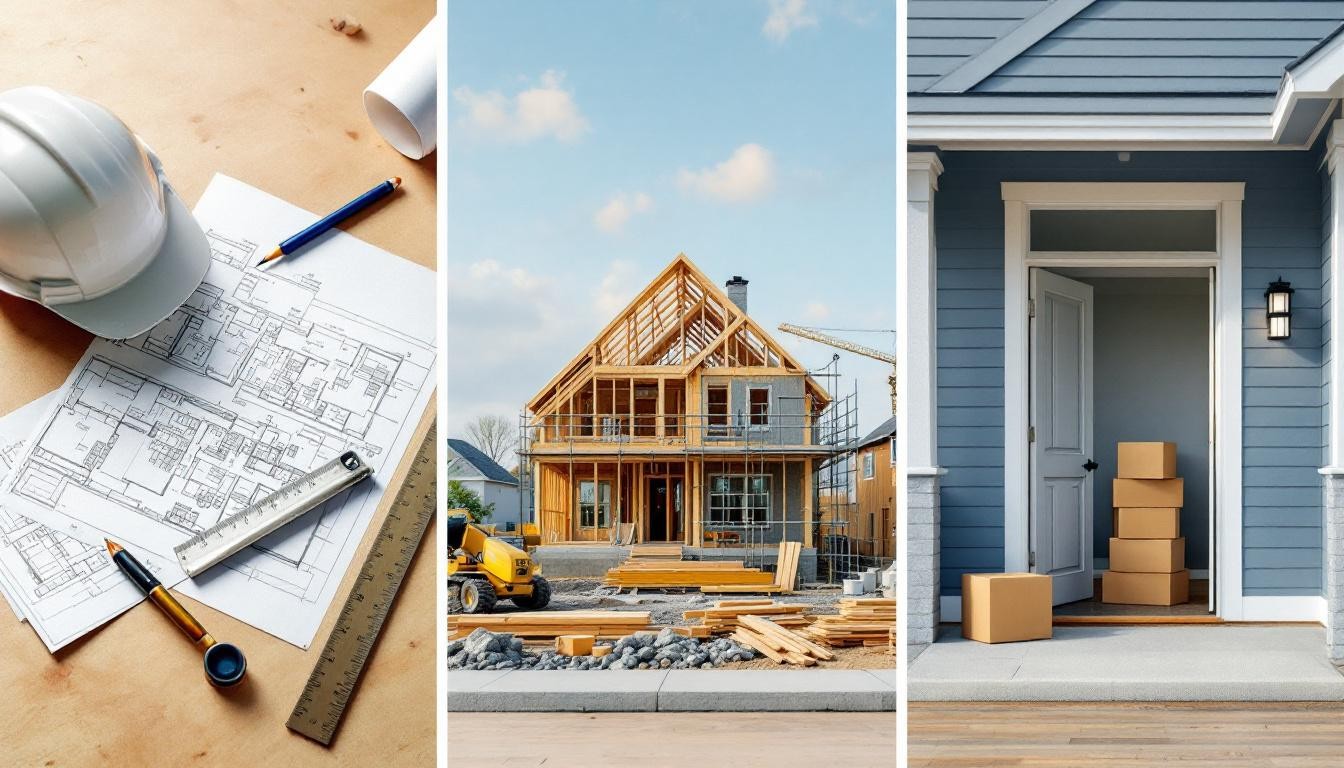
Project timelines require 2-3 weeks for permits in Arlington, Vienna, and Tysons, followed by 4-6 weeks for actual construction work. Appliance orders need 6-8 weeks lead time since supply chain delays still affect delivery schedules. Electrical and plumbing work comes first, then flooring, cabinetry, and countertops follow in sequence.

We at Dzala General Contractor handle every aspect of your kitchen remodel project from initial design through final walkthrough. Our team manages permits, coordinates trades, and maintains project timelines that keep disruption minimal for local families. Contact us today to transform your small kitchen into the functional, beautiful space you want.