Older homes in Arlington, Vienna, and Tysons have charm that new construction can’t replicate. But their kitchens often feel cramped and outdated, making them the first room homeowners want to fix.
We at Dzala General Contractor have helped dozens of families transform their kitchens without sacrificing the character that makes their homes special. This guide shares kitchen remodel ideas for older homes that actually work within the constraints of vintage layouts and structures.
How to Redesign Kitchen Flow Without Tearing Down Walls
The biggest mistake older homeowners make is assuming they need to remove walls to create a modern kitchen. Load-bearing walls carry the weight of your home’s structure, and removing them requires expensive steel beams, permits, and engineering approvals that can cost $3,000 to $15,000 depending on the span. Instead, smart zoning creates the open feel you want while keeping your walls intact. Strategic placement of islands, peninsulas, and cabinetry defines separate functional zones without sacrificing flow. The key is designing dedicated areas for cooking, prep work, and casual dining so each zone feels purposeful rather than cramped.
Creating Zones Within Existing Walls
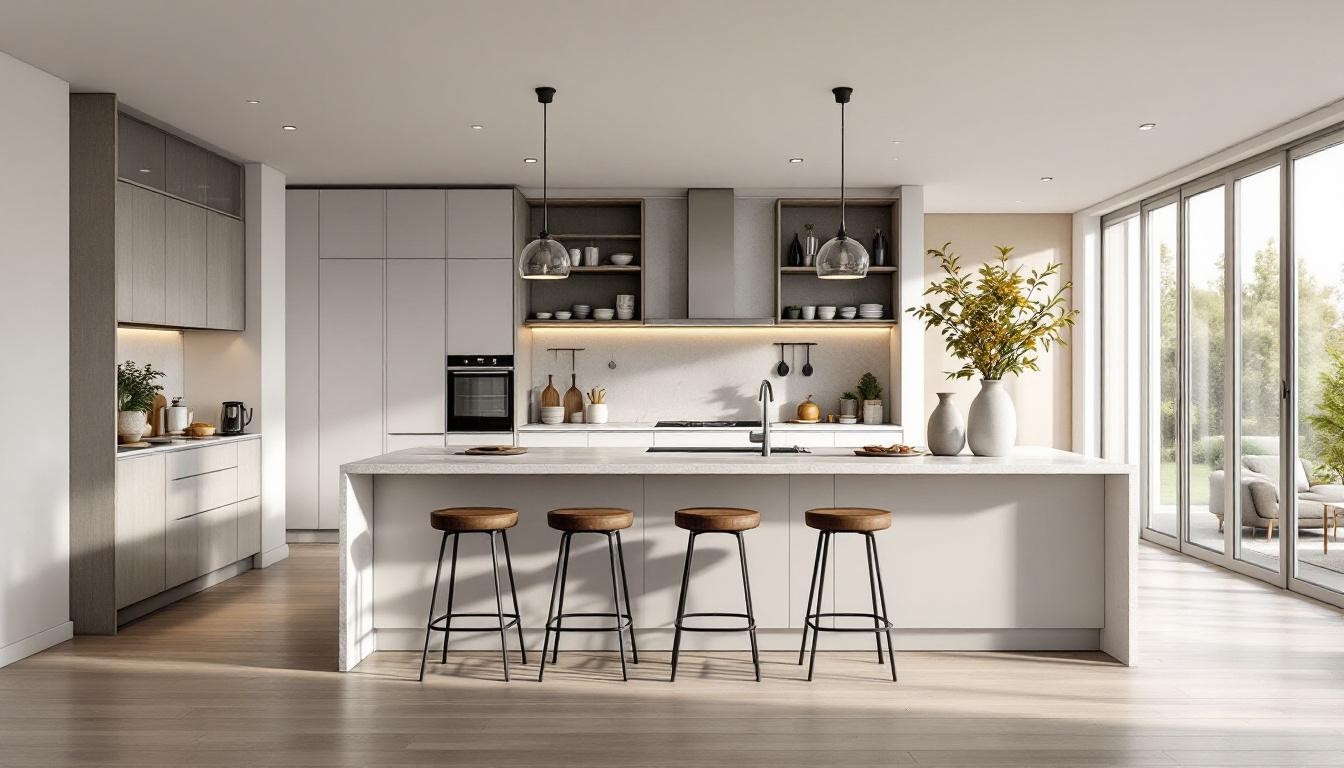
Open-concept kitchens remain popular in Arlington, but adding zoning maintains that flow while keeping distinct functional areas. A cooking and prep zone with a prep island works well when your existing layout allows at least 36 inches of clearance between the island and cabinets for safe movement. A coffee bar station positioned along one wall gives your family a dedicated spot without requiring wall removal, and a mini home office nook in a corner or adjacent area lets you work while keeping an eye on cooking. This approach respects your home’s original structure while delivering the multi-functional space modern families need.

Making Galley Kitchens Work
Galley kitchens, common in homes built before 1970, are actually efficient when you optimize the two-wall layout with high-quality cabinetry and smart appliance placement. Instead of fighting the galley format, upgrade one wall with new cabinets and appliances while keeping the opposite wall for storage or a beverage station. This costs far less than restructuring the entire kitchen and delivers surprising functionality for households of two to four people.
Islands and Peninsulas for Compact Spaces
Peninsulas work better than islands in older homes with tight footprints because they attach to existing cabinetry and require no additional plumbing or electrical runs underneath. A 4-foot peninsula provides seating for two to three people and adds prep surface without the $2,000 to $4,000 cost of installing island utilities. If your kitchen measures at least 120 square feet and has at least 10 feet of counter depth, a small island becomes feasible. Try keeping it under 4 feet wide so you maintain the 36-inch minimum clearance on all sides for safe cooking and movement.
Right-Sizing Appliances for Older Dimensions
Right-sizing appliances matters enormously in older homes where cabinet openings and doorways rarely match modern standards. A 30-inch refrigerator instead of 36 inches, a 24-inch dishwasher, and a compact 5-burner cooktop fit vintage kitchens while delivering the performance you need. These smaller dimensions cost 10 to 20 percent less than oversized models and actually improve workflow by keeping frequently used items within arm’s reach rather than spread across a sprawling space. When you work with a contractor experienced in older homes, you’ll find that these thoughtful appliance choices set the stage for selecting materials and finishes that honor your home’s character while meeting today’s standards.
Materials and Finishes That Work in Older Homes
Selecting the right materials for your kitchen remodel separates a space that feels forced from one that belongs in your home. The most common mistake older homeowners make is treating kitchens like blank slates, stripping away architectural details and installing whatever is trendy that year. That approach fails because it ignores the bones of your home. Instead, the materials you select should acknowledge what’s already there while delivering the durability and function your family needs daily.
Cabinetry That Respects Your Home’s Era
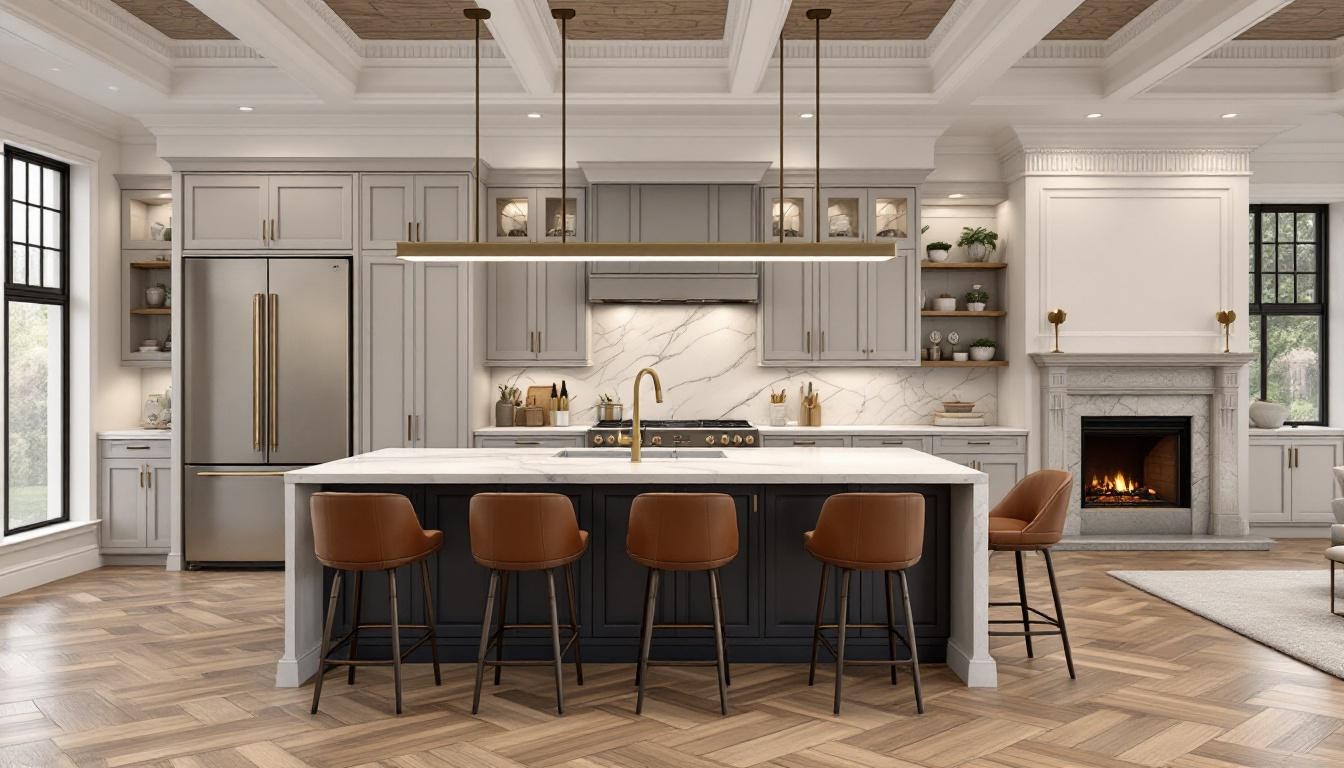
Custom cabinetry warrants the investment in older homes because standard cabinet sizes rarely fit vintage doorways, ceiling heights, or wall dimensions. Choose solid wood in species that matches your home’s period-cherry or walnut for homes built before 1950, oak for 1960s ranches, or maple for mid-century designs. These materials cost more upfront but outlast budget alternatives by decades and actually gain character as they age. Avoid mixing too many finishes; one primary wood tone with a contrasting accent wall works far better than attempting to blend four different stains and paints.
Door styles matter enormously. A 1920s Colonial demands raised-panel doors with period hardware in brass or bronze, while a 1960s ranch suits flat-front cabinetry with simple pulls. The hardware alone costs $40 to $150 per knob or pull, so selecting pieces that match your home’s architectural language prevents the kitchen from feeling like an appliance showroom. Include practical features like pull-out spice racks, appliance garages that hide small countertop items, and toe-kick drawers that capture dead space-these features add $2,000 to $4,000 but transform how your kitchen functions daily. Crown molding at the cabinet top and careful transitions where cabinets meet walls echo your home’s original architectural details and prevent the kitchen from looking like an afterthought.

Countertops That Balance Beauty and Performance
Quartz countertops have become the standard choice in Arlington and Vienna homes because they resist staining, scratching, and heat better than granite, cost 15 to 25 percent less than natural stone, and come in finishes that complement both traditional and modern cabinetry. Pair natural walnut or cherry cabinets with white or light gray quartz for a fresh look that won’t feel dated in five years. Low-VOC finishes on cabinetry and paint protect indoor air quality, particularly important in older homes with limited ventilation.
Neutral grays, creams, and soft whites remain functional and attractive across changing design preferences, while bright white or trendy colored countertops risk feeling dated within a decade. The investment in quality countertops pays dividends through years of reliable performance and visual appeal.
Flooring That Complements Your Kitchen Design
Solid wood flooring in a medium to dark stain works across nearly every older home style and hides wear better than light finishes. Tile works well in galley kitchens or homes with strong architectural character; choose textured options in neutral tones rather than glossy finishes that show footprints and water spots. Avoid mixing too many materials-if your cabinets are dark wood, keep flooring in a coordinating wood tone or neutral tile rather than introducing a third competing color.
The transition between kitchen and adjacent rooms matters significantly. If your dining room or family room has original hardwood, match that wood species and stain in the kitchen for visual continuity that makes the space feel intentional rather than disconnected. This attention to detail transforms how your entire home flows together.
When you work with experienced contractors who understand older home construction, you’ll find that thoughtful material selections set the stage for the smart storage and appliance solutions that complete your kitchen transformation.
Smart Storage Solutions for Tight Kitchens
Older kitchens in Arlington, Vienna, and Tysons rarely come with storage that matches modern expectations. The solution isn’t expanding your kitchen footprint-it’s using every inch you have more intelligently. Vertical storage transforms wasted wall space into functional zones that keep counters clear and daily items within reach. Install open shelving or tall cabinetry that extends to the ceiling rather than stopping at the standard 36-inch height; this alone adds 40 to 50 percent more storage capacity without requiring additional square footage.
Maximizing Corner and Vertical Space
Corner cabinets deserve special attention because they’re either dead zones or poorly utilized in most older homes. Lazy Susan inserts cost $150 to $300 and let you access items at the back without digging, while pull-out corner organizers with sliding shelves improve accessibility by 60 percent compared to traditional fixed shelving. Toe-kick drawers-shallow storage built into the space between cabinet bases and flooring-capture 8 to 12 inches of height that typically sits empty; these cost $400 to $800 per run but store baking sheets, cutting boards, and serving platters that would otherwise clutter your main cabinetry.

Appliance garages with sliding doors or lift-up mechanisms hide countertop clutter while keeping frequently used items like coffee makers and toasters immediately accessible. A well-planned garage measures 15 to 24 inches wide and costs $300 to $600, paying for itself through the counter space it reclaims and the polished appearance it creates.
Hidden Storage Systems for Irregular Spaces
Hidden storage systems address the reality that older homes have irregular wall dimensions and odd angles that standard cabinetry cannot accommodate. Pull-out spice racks mounted inside cabinet doors eliminate wasted interior space while keeping seasonings visible and organized-a 9-inch-deep rack holds 20 to 30 spice containers in a footprint smaller than a standard cabinet shelf. Pantry cabinets with multiple pull-out baskets or drawers maximize depth in ways that single shelves cannot; a 24-inch-deep pantry cabinet with four staggered pull-out shelves stores three times more than a traditional single-shelf design.
Narrow cabinets positioned in corners or between appliances (sometimes just 9 to 12 inches wide) function as beverage stations, baking supply storage, or wine racks when equipped with specialized inserts rather than sitting empty because they’re too small for standard shelving. Frameless cabinetry offers 10 to 15 percent more storage than framed construction, making it an excellent choice for tight kitchens where every percentage point of capacity matters. Drawer dividers and custom insert systems cost $200 to $500 but organize utensils, linens, and cooking tools in ways that prevent the chaos of traditional junk drawers.
Practical Organization That Improves Daily Life
The investment in smart storage directly reduces frustration during daily cooking and meal preparation, which matters far more than trendy finishes in determining whether a remodel actually improves your life. These thoughtful storage choices transform how your kitchen functions and make the space work harder for your family’s actual needs.
Final Thoughts
The kitchen remodel ideas for older homes we’ve shared throughout this guide all respect your home’s character while delivering the functionality your family needs daily. Open-concept zoning without wall removal, materials that honor your home’s era, and smart storage solutions work together to transform cramped, outdated kitchens into spaces that feel both timeless and modern. Older homes in Arlington, Vienna, and Tysons present unique challenges that generic kitchen design cannot address, and load-bearing walls, non-standard dimensions, outdated plumbing and electrical systems, and architectural details worth preserving require contractors who understand these specific constraints.
The difference between a kitchen that feels forced and one that belongs in your home comes down to working with professionals who have completed dozens of projects in your neighborhood and know how to navigate local permitting requirements. We at Dzala General Contractor handle every aspect of your kitchen remodel, from initial design through final walkthrough, and our team manages the feasibility phase where we assess structural challenges, discuss your goals and budget, and identify solutions tailored to your home’s specific needs. We coordinate all trades on-site, maintain strict scheduling to keep your project on track, and stand behind our work with an industry-leading warranty and 24/7 customer service.
Bring photos of your current space, a list of what frustrates you about your kitchen today, and your budget range when you contact Dzala General Contractor to start planning your kitchen transformation. We’ll walk through your home, identify opportunities you might have missed, and outline a realistic timeline and investment for the remodel you want. Thoughtful design and experienced craftsmanship turn your older home’s kitchen into a space your family will love for decades.