Your log cabin kitchen is the heart of your home, but outdated layouts and worn finishes can make it feel disconnected from the rest of your space. A well-planned remodel transforms both function and aesthetics, bringing your kitchen into alignment with modern living while preserving the character that makes log cabins special.
We at Dzala General Contractor have guided countless homeowners through log cabin kitchen remodel ideas that balance rustic charm with practical upgrades. This guide walks you through planning, design choices, and execution so you can make informed decisions from start to finish.
Planning Your Log Cabin Kitchen Remodel
Assess Your Current Space and Layout
The first step toward a successful log cabin kitchen remodel involves honest assessment of what you have and what you actually need. Walk through your kitchen and measure the distance between your sink, stove, and refrigerator to understand your current work triangle. Take photos of problem areas-cramped counter space, inadequate lighting, or outdated appliances that fail to perform. This isn’t about aesthetics yet; it’s about identifying functional gaps that frustrate you daily.
Many homeowners discover that their layout itself works fine, but specific elements like poor ventilation or limited counter depth are the real culprits. Sketch your current footprint on paper or use a simple floor plan tool to see whether relocating your refrigerator would open up counter space, or if keeping plumbing lines intact makes more financial sense than moving your sink. This assessment prevents costly mistakes later and clarifies which upgrades will actually improve your daily experience.
Set a Realistic Budget
Budget decisions separate successful remodels from projects that stall halfway through. Kitchen remodels typically range from 5 to 15 percent of your home’s value, according to industry standards, but log cabin kitchens often require specialized materials and skilled contractors familiar with timber construction. Set aside 10 to 20 percent of your budget as a contingency fund because hidden issues-rotted wood around windows, outdated wiring that needs replacement, or structural concerns-emerge once work begins.
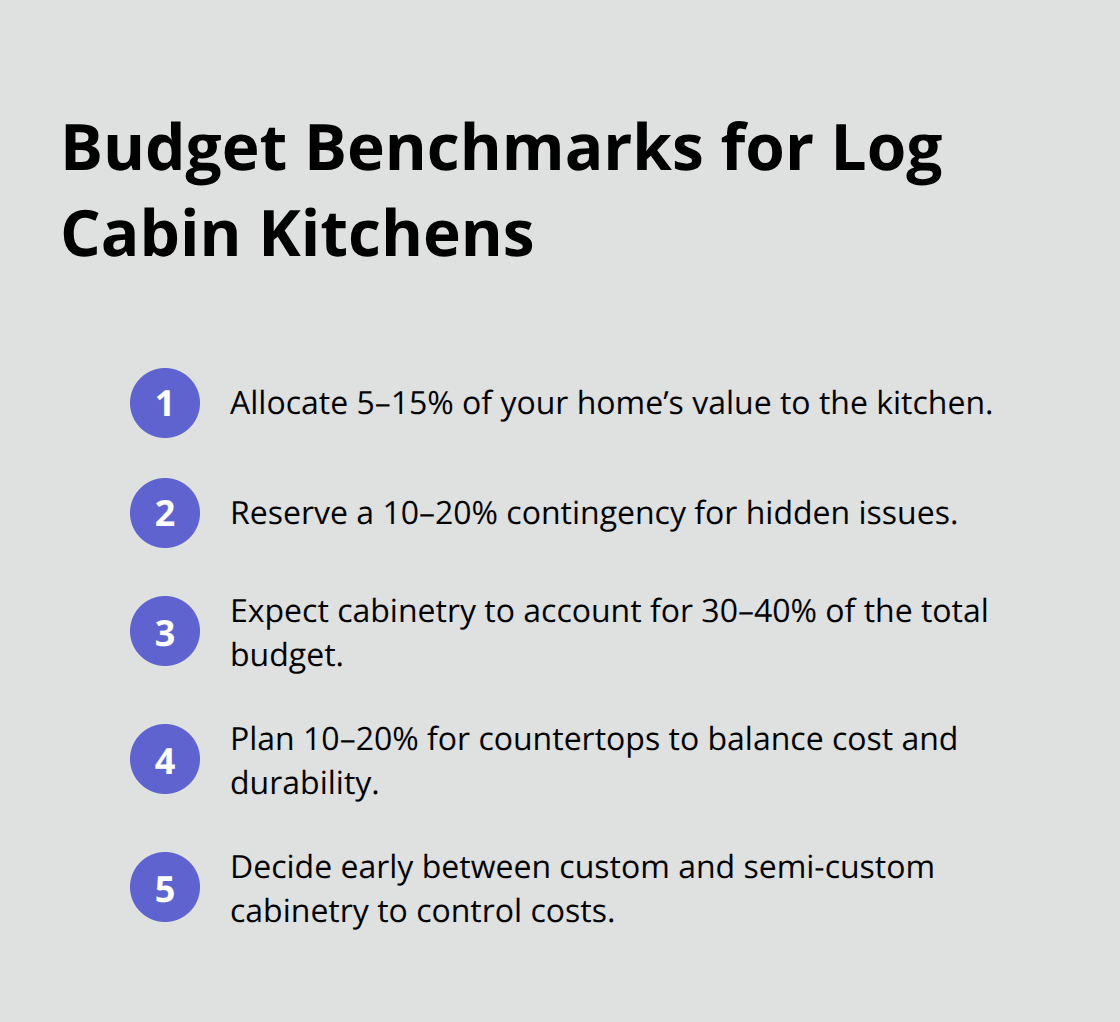
If your cabin is older, budget for potential surprises like asbestos in old flooring or plumbing that doesn’t meet current codes. Be specific about what you’ll spend on cabinetry, countertops, appliances, and labor. Cabinetry typically consumes 30 to 40 percent of a kitchen budget, while countertops account for 10 to 20 percent. Knowing these percentages prevents you from overspending on one category and shortchanging another. Decide early whether you’ll invest in custom cabinetry built to your exact specifications or choose semi-custom options that cost less but offer fewer personalization choices.
Determine Your Design Goals and Style Preferences
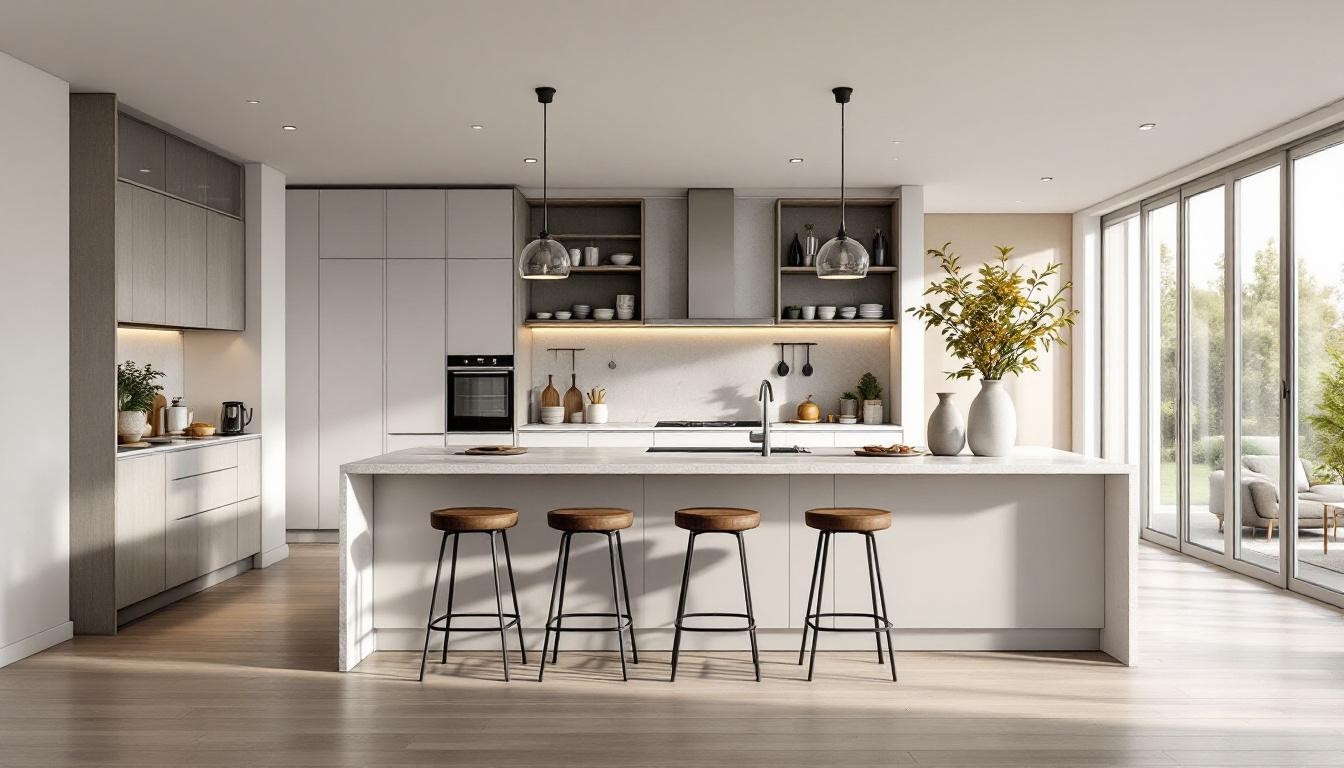
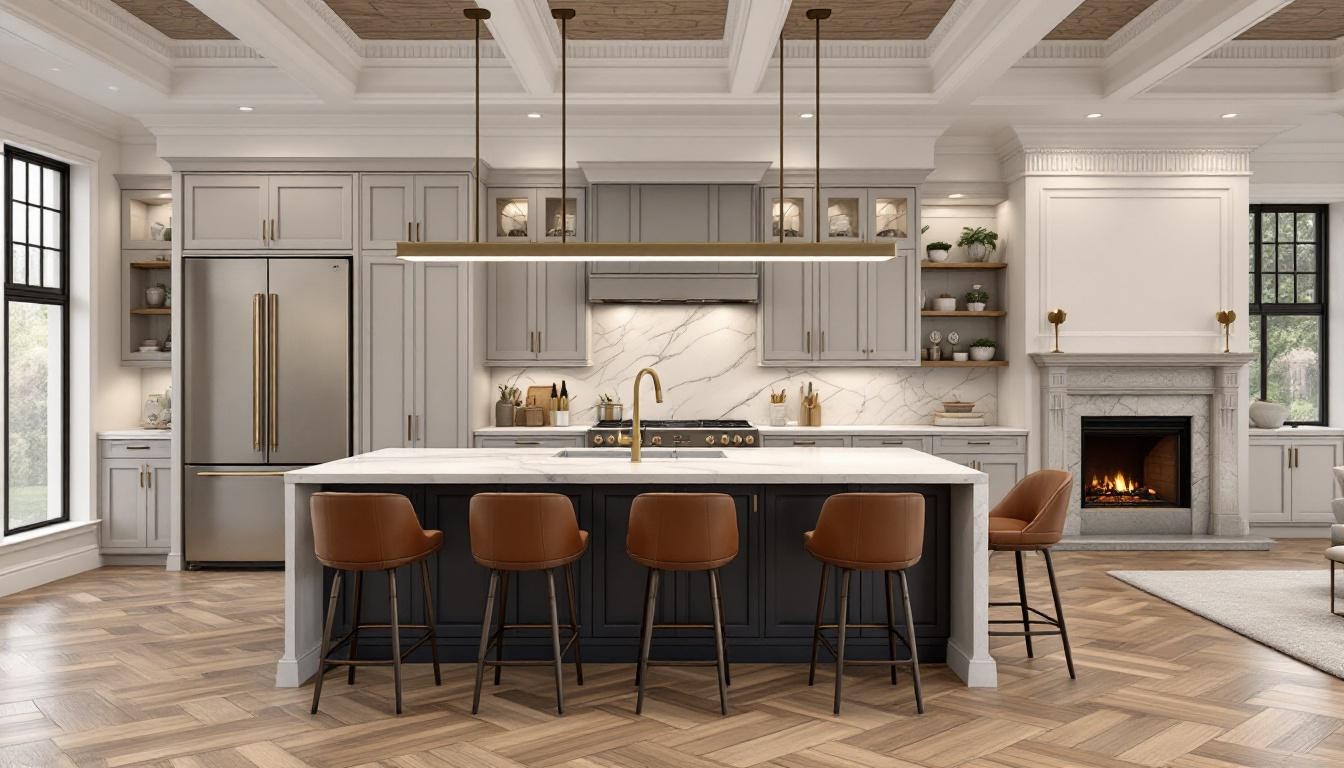
Your design goals should balance what you love about log cabins with what modern living demands. Do you want traditional rustic aesthetics with exposed beams and reclaimed wood, or contemporary rustic that pairs natural materials with sleek appliances and minimalist lines? This choice affects every material selection and cost.
Visit other log cabin kitchens-friends’ homes, vacation rentals, or design showrooms-and photograph details you’re drawn to. Note specific elements like cabinet colors, hardware finishes, countertop materials, and lighting styles rather than collecting vague inspiration images. Consider whether you prefer warm wood tones like hickory and cedar, or cooler tones like whitewashed pine. Test paint colors on your actual cabin walls because wood grain and natural light dramatically change how colors appear. Sherwin-Williams 6208 Pewter Green has proven effective for log cabin kitchens because it harmonizes with wood tones without competing for attention.
Document your style preferences in writing so you can reference them during the months ahead when decision fatigue sets in. With your space assessed, budget established, and design direction clear, you’re ready to explore the specific materials and design choices that will transform your kitchen.
Materials That Define Your Cabin Kitchen
Stone and Wood: The Foundation of Authenticity
The materials you select for your log cabin kitchen determine whether the space feels authentically rustic or poorly executed. Stone and wood are non-negotiable elements, but how you source and finish them separates mediocre remodels from ones that genuinely enhance your home.
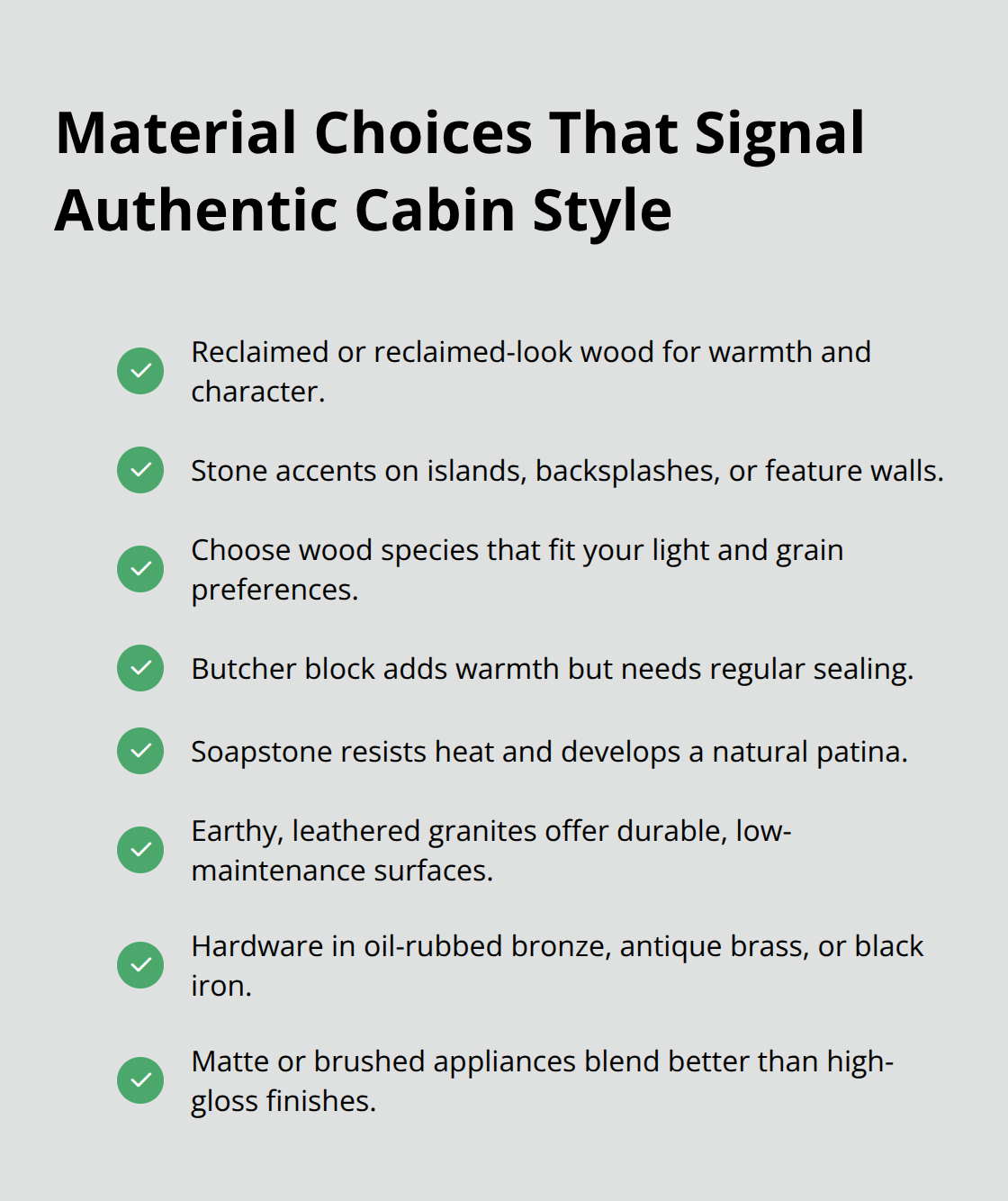
Reclaimed barn wood delivers authentic character that new wood cannot replicate, but authentic reclaimed materials cost significantly more than wood-look alternatives. If budget constraints matter, suppliers now offer convincing reclaimed wood-look materials that provide similar aesthetics at a fraction of the price. Stone accents on backsplashes, islands, or accent walls add rugged charm and durability. River rock, slate, and fieldstone each provide different textures and color ranges, so visit material suppliers in person to see how each option reflects light in your specific cabin space.
Selecting Wood Species and Finishes
Wood species selection matters tremendously. Pine and cedar offer lighter tones with softer grain patterns, while hickory and oak provide richer colors and more pronounced grain definition. Test different wood hues on your actual walls before committing because natural cabin light dramatically affects how finishes appear throughout the day.
Countertops should balance durability with rustic appeal. Butcher block delivers warmth and traditional character but requires regular sealing to resist moisture and staining. Soapstone develops a natural patina over time that many homeowners prefer to pristine surfaces, and it resists heat without requiring sealing. Granite countertops in earthy tones like Black Pearl leathered granite provide durability and low maintenance while maintaining rustic aesthetics. Avoid bright, trendy granite colors that will feel dated within five years.
Backsplash, Hardware, and Finishing Details
Backsplash tile choices significantly impact visual impact without consuming your budget. Two-inch by six-inch matte taupe tiles create a warm, neutral backdrop that balances darker wood elements. Geometric or mid-century patterns on backsplash tile add personality without overwhelming the space.
Hardware finishes complete your material story. Oil-rubbed bronze, antique brass, and black iron knobs and pulls enhance rustic character far more effectively than shiny chrome or polished nickel. Mission-style bin pulls and traditional hardware profiles reinforce cabin authenticity.
Appliances That Blend Function with Style
Modern appliances need not clash with rustic design when you make intentional choices about finish and placement. Stainless steel appliances remain popular because they provide contemporary functionality while blending reasonably well with wood tones. Matte black or brushed metal finishes integrate more seamlessly into cabin aesthetics than high-gloss stainless. Consider vintage-inspired appliances like Big Chill refrigerators that deliver modern energy efficiency and reliable performance while visually anchoring the kitchen in retro cabin style.
Your range hood deserves special attention because it occupies prominent wall space. Copper or copper-toned range hoods serve as striking focal points and coordinate beautifully with warm wood finishes and stone accents. Ensure your range hood includes proper ventilation and maintains adequate clearance from cabinetry to prevent safety issues. An apron-front sink in fireclay or stainless steel reinforces cabin character while providing practical durability for daily use. Pair it with a single-hole faucet like the Kohler Crue that delivers functional design without unnecessary ornamentation.
Lighting: Layering Warmth and Function
Lighting transforms the entire kitchen atmosphere and should layer multiple sources rather than relying on a single ceiling fixture. Wrought iron chandeliers and lantern-style pendants provide warm, soft illumination that enhances coziness. Install pendant lights over your island using warm-toned fixtures that complement wood elements. Recessed lighting in the ceiling supplies task lighting for food preparation without creating visual clutter. Barn-style wall sconces paired with small side tables brighten work zones while maintaining rustic aesthetics.
Dimming controls on your lighting system allow you to adjust mood from bright morning prep work to intimate evening gatherings. Warm color temperature bulbs in the 2700K range feel more inviting in cabin spaces than cooler 4000K bulbs that can feel sterile and institutional. With your materials selected and finishes decided, the next phase focuses on how experienced contractors bring these choices to life and manage the practical realities of installation.
Bringing Your Design to Life
Selecting a Contractor with Log Cabin Expertise
Hiring the right contractor determines whether your log cabin kitchen remodel stays on budget and timeline or becomes a source of frustration. Not all contractors understand timber construction, and many lack experience with the specialized challenges that log homes present. Moisture management in log cabins differs fundamentally from standard construction, and improper handling of wood expansion and contraction causes serious problems within months of completion.
When interviewing contractors, ask specifically about their experience with log cabin kitchens and request references from previous log home projects. Verify that your chosen contractor carries liability insurance and maintains current licensing in your state because budget-conscious homeowners who hire unlicensed workers often face costly code violations and safety issues later. A full-service contractor manages the workflow so trades don’t conflict and delays don’t cascade through your project timeline.
Sourcing Materials Before Construction Starts
Material sourcing requires the same attention to detail as contractor selection. Order long-lead items like custom cabinetry and specialty countertops before construction begins because delays in material delivery halt progress and inflate labor costs. Granite suppliers like Stoneworks in Loveland, Colorado offer leathered finishes specifically designed for rustic applications, but sourcing from the right vendor matters more than chasing the lowest price.
Visit showrooms in person to see how materials reflect light in your cabin’s actual conditions rather than relying on digital images. This step prevents costly mistakes when materials arrive and don’t match your expectations. Establish relationships with suppliers who understand log cabin aesthetics and can guide you toward finishes that perform well in timber environments.
Planning Your Timeline and Work Phases
Set a firm project timeline with your contractor that accounts for realistic work phases and contingencies. A typical log cabin kitchen remodel spans 8 to 12 weeks from demolition through installation, but older cabins frequently require 2 to 4 additional weeks for structural repairs or code compliance work discovered during demolition. Establish clear communication protocols with your contractor about daily check-ins and weekly progress updates so surprises don’t accumulate.
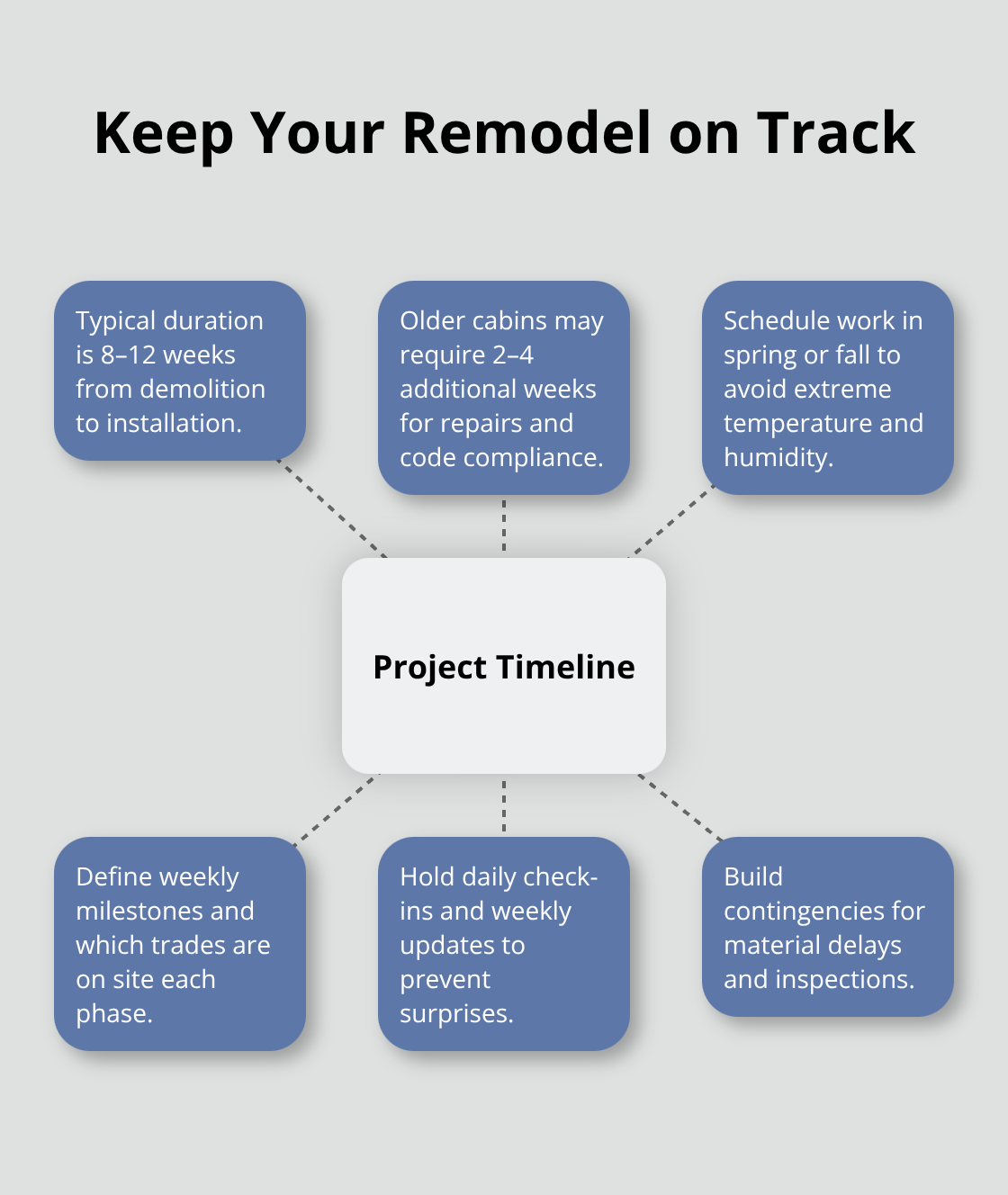
Schedule the remodel during seasons when your cabin experiences moderate temperatures and humidity levels, as extreme conditions complicate wood finishing and can damage materials during installation. Spring and fall typically offer ideal conditions for kitchen work in most cabin locations. Your contractor should provide a detailed schedule that identifies which trades work each week and what milestones mark completion of each phase.
Final Thoughts
A successful log cabin kitchen remodel balances preservation of rustic character with the practical upgrades that modern living demands. Material selection matters because authentic stone and wood finishes, paired with thoughtfully chosen appliances and lighting, create spaces that feel genuinely connected to cabin living rather than forced or artificial. Your log cabin kitchen remodel ideas should prioritize the work triangle, adequate lighting, and durable countertops that withstand daily use.
Experienced contractors who understand timber construction prevent costly mistakes that emerge when standard building practices get applied to log homes. Start by scheduling a consultation with contractors who have completed log cabin kitchen projects and can reference previous work. Gather inspiration from actual cabins rather than generic design images, and test paint colors and material finishes in your specific space where natural light and wood grain affect how everything appears.
Contact Dzala General Contractor to discuss your vision and explore how we can bring your remodel to life. Our team manages every phase from initial design through final walkthrough, handling the coordination that keeps projects on schedule and within budget. If you’re ready to transform your log cabin kitchen, we’re here to help you create a space that works as beautifully as it looks.