A kitchen remodel is one of the biggest investments you’ll make in your home, and getting it right matters. Whether you’re updating outdated cabinets, installing new countertops, or upgrading appliances, the decisions you make now will affect your daily life for years to come.
We at Dzala General Contractor have helped homeowners in Arlington, Vienna, and Tysons transform their kitchens with practical ideas on how to remodel a kitchen that fit both their budgets and lifestyles. This guide walks you through planning, design choices, and finding the right contractor to bring your vision to life.
Planning Your Kitchen Remodel
Assess Your Current Kitchen Layout and Needs
The first mistake most homeowners make is jumping straight into design inspiration without understanding what they actually need. Walk through your kitchen during your typical day and notice where you spend the most time, what frustrates you, and what works well. In Arlington, Vienna, and Tysons, many kitchens follow older layouts that waste steps between the refrigerator, sink, and stove. Measure your current space carefully, note electrical outlets and plumbing locations, and identify whether your layout forces you to walk excessively or creates bottlenecks when multiple people cook. This assessment determines whether you need a simple refresh or a complete reconfiguration.
According to HomeAdvisor, kitchen remodels typically range from $15,000 to $41,000, but this varies dramatically based on whether you move plumbing or electrical systems. If your current layout requires fewer than 42 inches of walkway space for one cook or 48 inches for two cooks, you’ll need to expand-and that costs significantly more. Be honest about your actual cooking habits and storage needs before you pick a single design element.
Set a Realistic Budget
Your budget should reflect what matters most to you, not what design magazines suggest. In Arlington, kitchen remodels average between $16,000 and $62,000 depending on materials and scope, according to Homeblue. Cabinets consume roughly 29 percent of the budget, countertops around 10 percent, and appliances approximately 14 percent. Installation labor represents about 17 percent, and this is where Arlington’s high cost of living becomes a factor-Sperling’s Best Places reports Arlington’s cost of living at 168.7 compared to the national average of 100, meaning contractor rates run higher than national averages.

Set your total budget first, then allocate percentages based on what matters most to your household. If you cook frequently, spend more on appliances and counter space; if storage is your main complaint, prioritize cabinetry. Add a 10 to 20 percent contingency for unexpected issues like hidden water damage or outdated electrical systems that need upgrading.
Choose a Timeline That Works for Your Household
Pull-and-replace projects typically take 2 to 4 months from planning to completion, while major remodels with custom cabinetry need 3 to 6 months of advance planning. The Vienna project completed in 8 weeks, but that required having all materials selected and ordered before construction began. Your contractor will help you establish a realistic schedule based on your specific scope, material lead times, and local permit requirements in Arlington, Vienna, or Tysons.

With these three foundations in place, you’re ready to explore the design ideas and trends that will shape your new kitchen.
Design Choices That Work in Arlington, Vienna, and Tysons Kitchens
Cabinetry: Storage and Style Combined
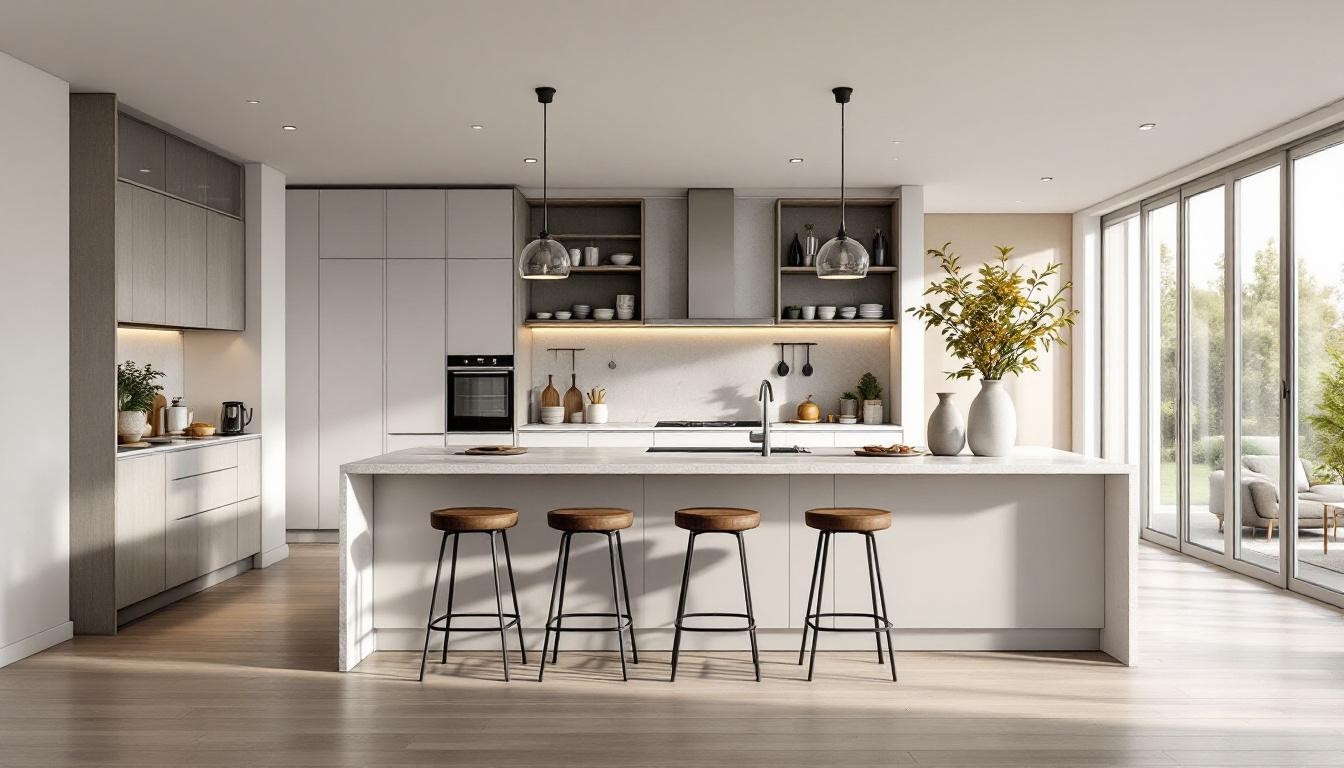
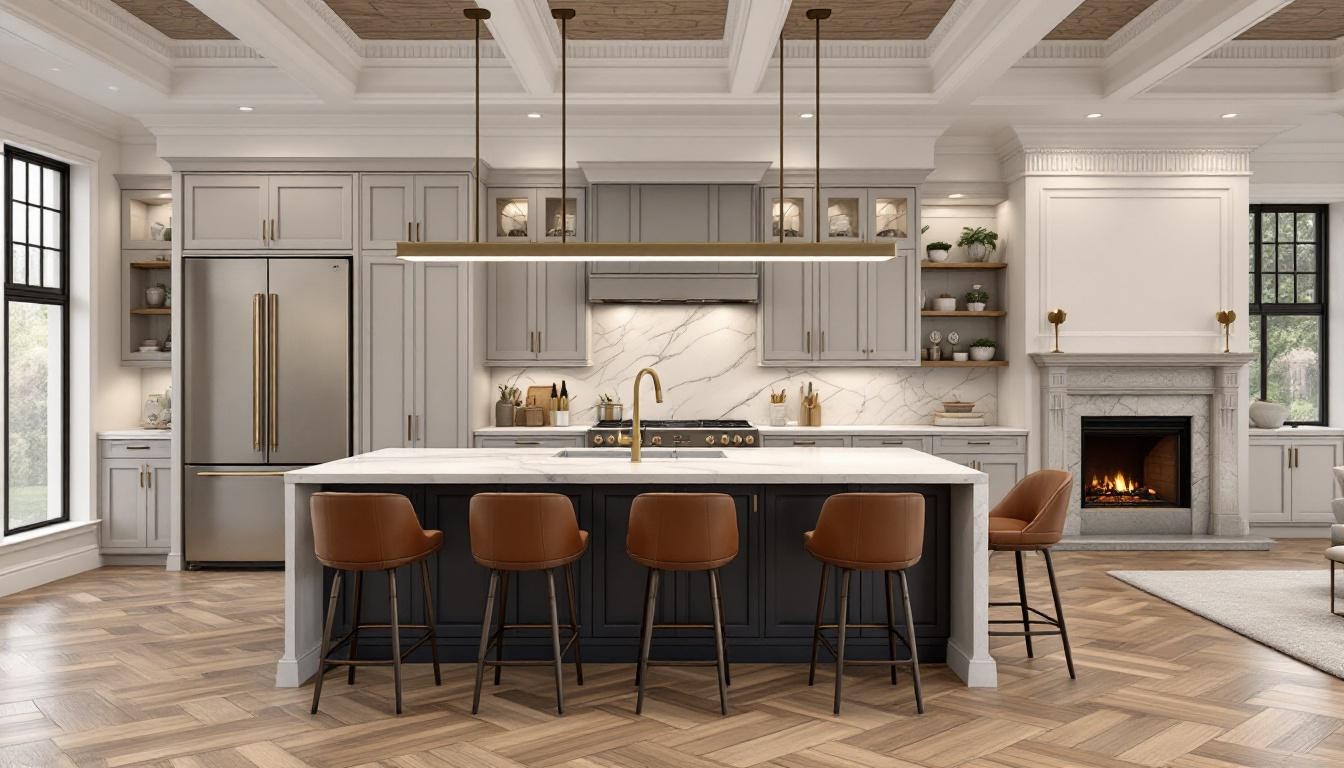
Cabinets consume roughly 29 percent of your total budget, so this decision deserves serious attention rather than guesswork. In Arlington, Vienna, and Tysons, kitchens built before 2000 typically feature framed cabinets that waste storage space compared to modern frameless construction. Frameless cabinets paired with plywood cases deliver 10 to 15 percent more usable storage than framed alternatives, meaning you gain meaningful square footage without expanding your walls. White custom cabinetry with frameless construction works especially well in smaller Tysons homes where maximizing storage prevents clutter from taking over the space. Colored cabinetry introduces character without the risk of looking dated-aqua paired with white marble or green with earthy tones creates visual interest that photographs well and holds appeal longer than trendy accent walls.
Quality cabinetry from manufacturers like Plain & Fancy, Adelphi, or Durasupreme offers genuine advantages in durability and resale value, not just appearance. Your cabinet choice determines workflow efficiency too; poor placement forces you to navigate around doors or reach awkwardly for everyday items, while thoughtful configuration reduces unnecessary steps during meal preparation.
Countertops and Sinks: Practicality Meets Aesthetics
Quartz countertops deliver timeless aesthetics with genuine practicality-they resist stains, require minimal maintenance, and work with nearly any cabinet color or hardware finish, according to both HGTV and Martha Stewart. Undermount sinks paired with quartz or stone countertops create clean lines and maximize workspace, while farmhouse sinks serve as bold focal points if your design leans traditional. Stone countertops (granite and marble) represent frequent upgrades in the Arlington, Vienna, and Tysons market, though they cost more than laminate options and require specialized installation.
Lighting and Appliances: Function and Efficiency
Lighting matters far more than most homeowners realize; task lighting under cabinets prevents shadows during food prep, pendant lighting over islands creates a social gathering point, and accent lighting highlights your chosen focal point without adding clutter. Moving electrical fixtures or adding new circuits increases costs significantly, so plan your lighting strategy during the design phase rather than mid-construction. Smart and touchless faucets from manufacturers like Delta save water and enhance hygiene with sensor technology, though these upgrades cost more upfront.
Workflow and the Work Triangle
Appliance placement directly affects your workflow-a pot filler near the cooktop eliminates unnecessary trips carrying heavy pots, while positioning your microwave about 15 inches above the counter keeps it accessible without forcing you to reach awkwardly. The work triangle principle still applies in Arlington, Vienna, and Tysons kitchens; keeping your refrigerator, sink, and stove within reasonable proximity minimizes wasted movement during cooking. Standard clearances matter too: maintain 15 inches of countertop on either side of a cooktop and refrigerator, 24 inches of counter space on one side and 18 inches on the other of the sink, and a 15-inch landing zone near the microwave. These measurements ensure safe, comfortable use and prevent bottlenecks when multiple people work in the kitchen simultaneously.
With your design choices mapped out, the next critical step involves finding a contractor who understands how to execute these ideas within your timeline and budget.
Hiring the Right Contractor for Your Project
Verify Licenses, Insurance, and Local Credentials
Hiring the wrong contractor derails your timeline, inflates your budget, and leaves you living with poor craftsmanship for years. In Arlington, Vienna, and Tysons, you have access to numerous contractors, but most homeowners waste time on firms that lack accountability or experience with kitchens. Start by verifying that any contractor holds a current Virginia contractor’s license and carries liability insurance and workers’ compensation coverage. Contact the Virginia Department of Professional and Occupational Regulation directly rather than trusting what a contractor tells you; this takes fifteen minutes and protects you from unlicensed operators who disappear when problems emerge. Ask for proof of insurance before allowing anyone on your property, and confirm the coverage limits match your project scope.

Research Experience and Local Track Records
Yelp and the Better Business Bureau offer credibility signals, but neither guarantees quality; a contractor with five years of experience and consistent positive reviews in your specific area outweighs national ratings from firms that rarely work locally. Request references from kitchen remodels completed within the last two years in Arlington, Vienna, or Tysons specifically, not generic testimonials or projects in other regions. Call these references directly and ask three concrete questions: Did the project stay on budget, was the timeline accurate, and how responsive was the contractor when unexpected issues arose? Homeowners rarely lie when you call them directly, and their answers reveal whether a contractor manages scope creep or ignores problems until they explode.
Compare Detailed Quotes and Pricing Structures
Get quotes from at least three contractors, but insist that each proposal details the same scope of work, materials, and timeline. Comparing a $40,000 quote that includes custom Adelphi cabinets against a $32,000 quote with stock cabinetry is meaningless without knowing what you’re actually getting. Request itemized breakdowns showing cabinet costs, countertop pricing, appliance expenses, labor rates, and permit fees separately. A contractor who refuses to itemize or pressures you to decide quickly signals that they prioritize speed over accuracy. The cheapest quote almost always reflects corners cut or underestimated labor, not efficiency.
In Arlington, where the cost of living is 68.7 percent above the national average, realistic labor rates run between $75 and $150 per hour depending on the contractor’s experience and specialization. If a quote seems suspiciously low, it typically means the contractor either underbid the work or plans to use inferior materials and cut installation quality. Transparent pricing and detailed communication matter far more than winning with the lowest number.
Evaluate Communication and Project Management
A contractor who responds quickly to your questions and explains decisions clearly will handle unexpected issues better than one who avoids contact. During your initial conversations, notice whether the contractor asks detailed questions about your needs, timeline, and budget, or simply pitches their standard approach. Contractors who listen to your specific situation (whether you’re in a smaller Tysons home or a larger Arlington property) demonstrate that they adapt to individual projects rather than applying cookie-cutter solutions. Ask how they handle changes mid-project and what process they follow if costs exceed the estimate. A firm that requires written change orders and communicates proactively about delays protects both you and themselves.
Final Thoughts
A successful kitchen remodel in Arlington, Vienna, or Tysons requires honest assessment of your needs, realistic budgeting aligned with your priorities, and a contractor who communicates clearly and delivers on promises. The ideas on how to remodel a kitchen that matter most solve your actual problems, not the ones that look impressive in magazines. Your next step is scheduling consultations with at least three contractors in your area and bringing your measurements, budget range, and a clear list of what frustrates you about your current kitchen.
Listen carefully to how each contractor responds to your specific situation rather than their generic pitch. Request itemized quotes, verify licenses directly with Virginia’s Department of Professional and Occupational Regulation, and call their references in your city. This process takes time, but it prevents costly mistakes and protects your investment in a space where your household gathers daily.
Contractors familiar with your region know permit requirements, material availability, typical timelines, and the specific challenges older homes present. Contact Dzala General Contractor to discuss your kitchen remodel and transform the heart of your home with local expertise and professional coordination.