Your kitchen should work as hard as you do-especially when it comes to eating and entertaining. We at Dzala General Contractor have helped homeowners in Arlington, Vienna, and Tysons create eat-in kitchen remodel ideas that blend functionality with comfort.
A well-designed kitchen makes daily meals easier and hosting gatherings more enjoyable. The right layout, storage, and dining features transform how your family uses this central space.
Open Concept Kitchens That Actually Work for Eating
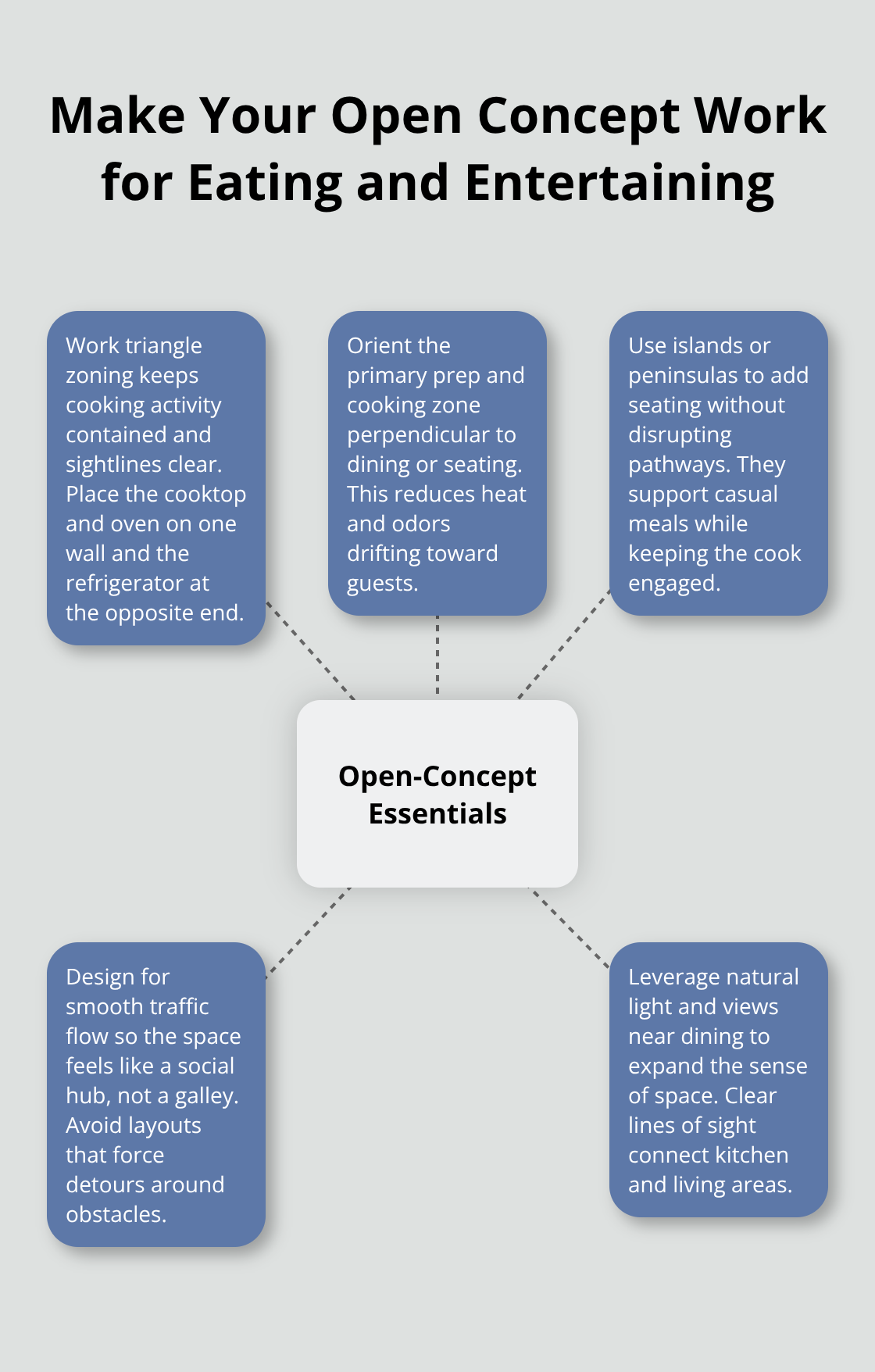
Removing a wall between your kitchen and dining area sounds simple, but the execution determines whether you get better flow or just an awkward, open space. Successful open kitchens require strategic appliance placement and intentional layout decisions. The National Kitchen & Bath Association recommends positioning your cooktop and oven on one wall with the refrigerator on the opposite end, creating a work triangle that keeps cooking activity contained and sightlines clear for entertaining. This matters because guests naturally gravitate toward the kitchen during gatherings, and if your stove faces the dining area directly, cooking odors and heat spread throughout the space. Instead, position your primary prep and cooking zone perpendicular to where people are eating or sitting.
Islands and Peninsulas Create Multiple Functions
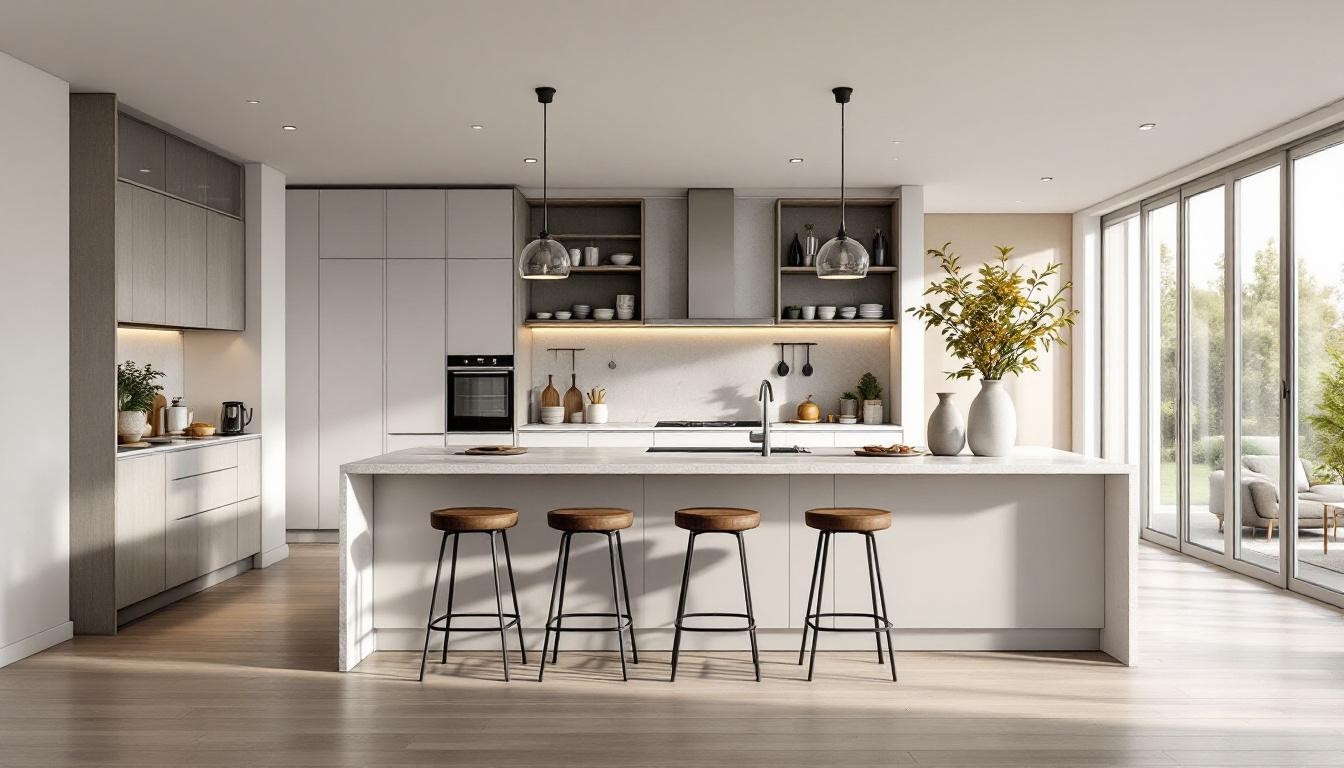
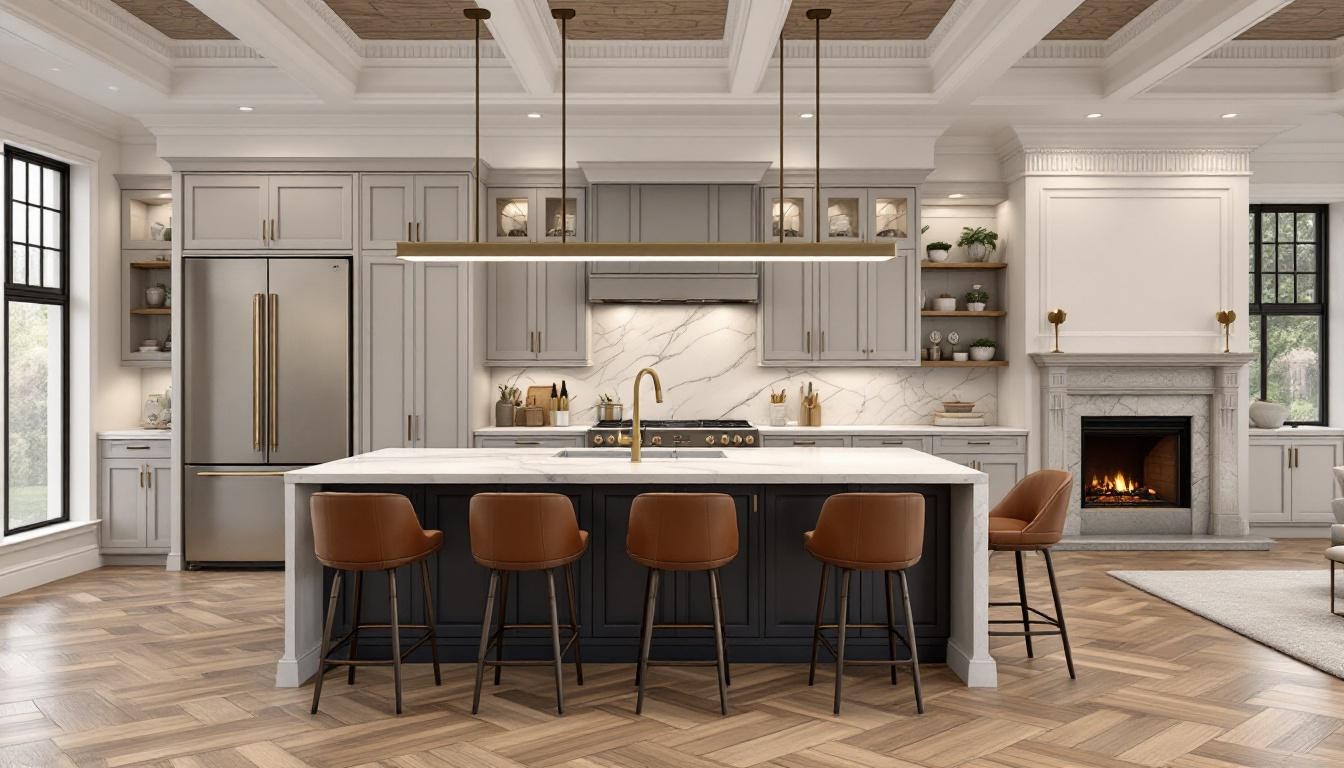
Islands with seating have become standard in Northern Virginia kitchen remodels, and for good reason-they serve triple duty as prep space, storage, and casual dining without requiring additional square footage. An island with bar seating for two to four people gives your family a place to eat quick weeknight meals while still keeping the cook engaged with the conversation. Make sure your island is at least 4 feet long and positioned to maintain clear pathways on all sides; cramped traffic flow defeats the entire purpose of an open concept. A peninsula (a counter that extends from one wall but doesn’t connect to another) works better than a full island in smaller Arlington and Vienna homes because it provides seating and prep space while maintaining sightlines from the living room into the kitchen. Homeowners use peninsula seating far more often than island seating for daily meals, particularly families with children who need supervision. Countertop depth on a peninsula should be at least 24 inches on the kitchen side and 15 inches on the seating side to give diners comfortable legroom and prevent bumped knees.
Appliance Placement Controls Your Space
When guests enter your kitchen, they shouldn’t immediately see a wall of stainless steel or the back of an oven. Position your refrigerator at the end of a run of cabinetry where it becomes part of the perimeter rather than a focal point. If you’re removing a non-load-bearing wall to expand your kitchen footprint, complete this structural work before ordering cabinets and appliances-the change often shifts where utilities can run and where appliances actually fit. Place your sink on a peninsula or island to form a central prep and cleanup zone that serves both cooking and dining areas, which reduces the number of steps between washing vegetables and plating dinner. If you’re planning a full remodel in Tysons or Vienna, expect the project timeline to run 3 to 8 weeks once construction begins, giving you time to make thoughtful decisions about appliance locations before the layout is finalized.
Traffic Flow Shapes How Your Family Lives
Your appliance placement directly controls how people move through the space. Avoid Z-shaped or jog-shaped kitchen layouts that force you to walk around obstacles; these layouts waste energy and make entertaining awkward because the cook feels isolated. When you open the space, you’re creating a social hub, not a galley kitchen. Large windows positioned near your dining area multiply the effect of an open concept by bringing in natural light and external views, making the space feel larger and more connected to your home’s outdoor areas. With your appliances strategically positioned and traffic patterns clear, the next step involves storage solutions that keep your dining essentials organized and accessible.
Storage That Keeps Entertaining Simple
Entertaining means your guests will open cabinets looking for glasses, pull out drawers hunting for silverware, and expect to find serving platters without asking where they are. Storage that supports dining isn’t about maximizing every cubic inch of space-it’s about making the items you use when entertaining instantly accessible. Built-in pantries with lower shallow bases work better than tall, deep cabinets because you can actually see what’s stored and reach items without climbing or bending awkwardly. Position your pantry with a large window to bring in daylight and make the space feel less cramped; pantries without natural light feel like storage closets. When you design pantries for Arlington and Vienna kitchens, prioritize open shelving on upper sections for everyday dishes and glassware that guests will use, keeping these items at eye level where they’re easy to grab during entertaining. The National Kitchen & Bath Association recommends storing frequently used dinnerware at waist to shoulder height, which reduces both reaching and bending.
Position Utensils Where You Need Them
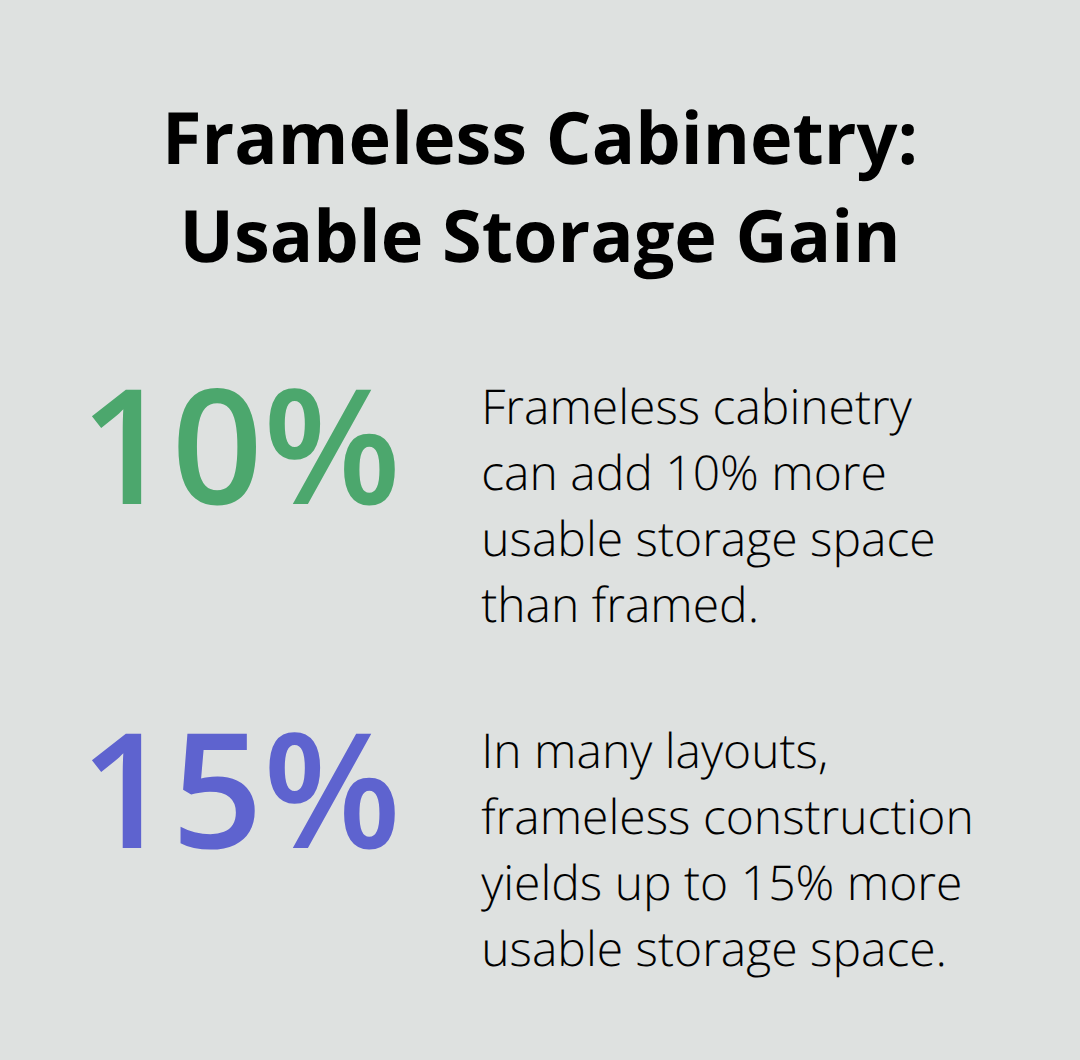
Drawer dividers and pull-out organizers for utensils should sit in the drawer closest to your dining area or island seating-not three cabinets away. This placement means fewer steps when setting the table and less time spent searching for serving utensils during meal prep. Consider frameless cabinetry with plywood cases, which provides 10 to 15 percent more usable storage space than traditional framed cabinetry, giving you room for the serving pieces and entertaining essentials that actually matter. Utensil dividers keep serving spoons, salad forks, and specialty utensils separated so you find what you need without dumping the entire drawer. Pull-out organizers in deeper cabinets prevent the back-of-the-cabinet graveyard where serving platters and special dishes disappear for years.
Display Glassware on Open Shelving
Open shelving works only when you commit to keeping it organized and visually appealing, which means storing only items you use regularly and accepting that your beautiful glassware becomes part of your kitchen’s design. If you choose open shelving, select pieces in coordinating colors and styles so the display enhances rather than clutters your space. Wine fridges or beverage stations positioned near your dining area or island reduce trips back to the main refrigerator during entertaining and create a focal point that guests naturally gather around. Install these beverage stations with adequate counter space-at least 18 inches-for setting down glasses and bottles.
Plan Storage Organization Early
When you plan your Tysons kitchen remodel, allocate budget for custom drawer inserts and pull-out systems early in the design phase rather than as an afterthought, because retrofitting organization into poorly designed cabinetry costs significantly more than building it in from the start. Thoughtful storage placement transforms how your family and guests move through the space during meals. With your pantry, drawers, and beverage stations strategically positioned, the final step involves adding dedicated dining features that anchor your entertaining experience.
Dining Spaces That Support Your Entertaining
Position Nooks and Banquettes for Natural Light
Kitchen nooks and banquette seating work best when positioned to capture natural light and sightlines into adjacent living spaces, not tucked into dark corners or facing a blank wall. A nook positioned along an exterior window with southern or eastern exposure transforms morning meals and casual dining into something your family actually prioritizes rather than eats standing at the counter. Size matters significantly: nooks need a minimum table depth of 36 inches to accommodate place settings and prevent diners from feeling cramped, with bench seating at least 18 inches deep so people can sit comfortably without their backs touching the wall.
Maximize Space With Built-In Seating
Banquette seating costs more upfront than standard chairs because it requires custom carpentry, but the National Kitchen & Bath Association notes that built-in seating maximizes usable space in smaller Arlington and Vienna kitchens where standalone furniture consumes precious square footage. If your kitchen footprint is tight, a banquette along one wall with a small round or rectangular table seats four people in roughly 80 square feet, whereas the same seating with individual chairs needs closer to 120 square feet. The trade-off involves storage: banquettes work best with lift-top seats that open to reveal space for table linens, seasonal dishes, or entertaining supplies. Without storage built in, you lose the space advantage entirely.
Use Counter Seating for Casual Meals
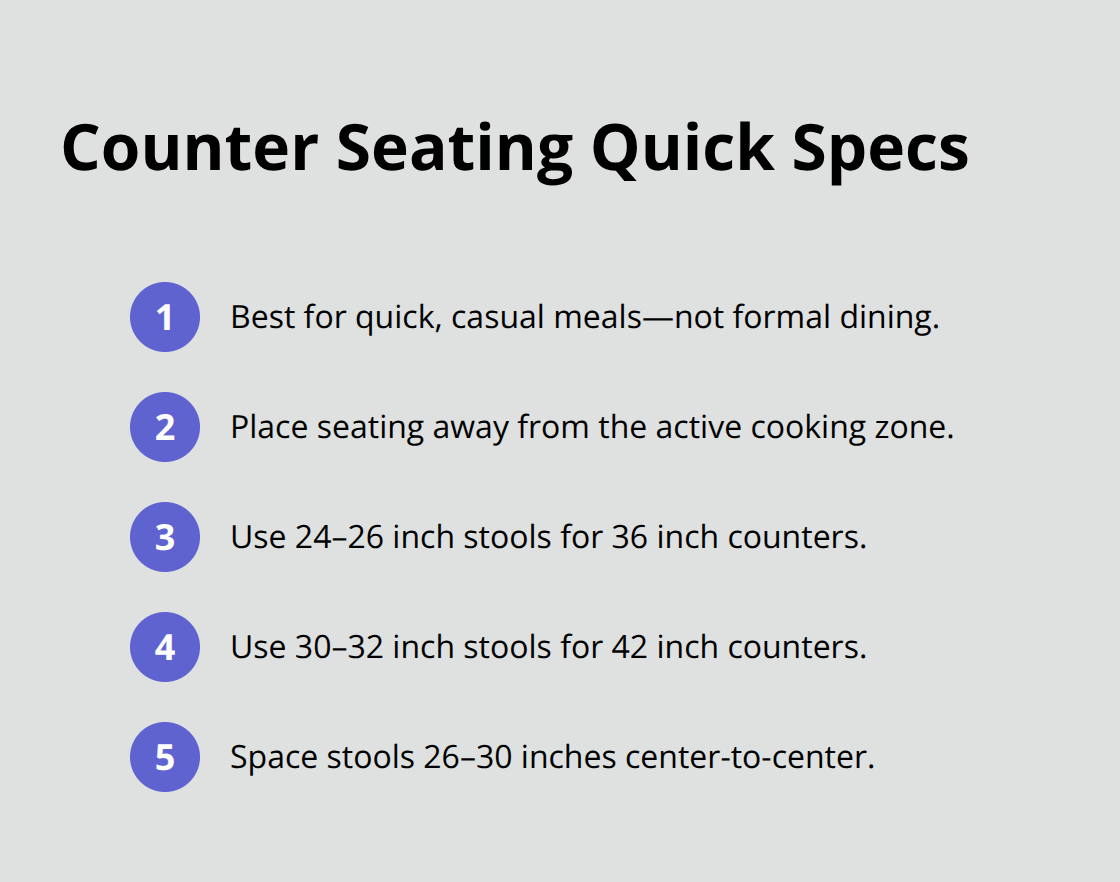
Counter seating at your island or peninsula serves a completely different function than a dining nook. Counter seating works for quick weeknight meals, homework sessions, and casual entertaining where people stand and move around, not for formal dinners or family meals where you want people seated and focused on conversation. Position bar seating on the side of your island or peninsula that faces away from the cooking zone so diners don’t stare at dirty pans and active prep work. Stool height matters: bar stools for standard 36-inch counters should be 24 to 26 inches tall, while island seating at 42-inch height requires 30 to 32-inch stools. Spacing between stools should be 26 to 30 inches center to center so people have elbow room without feeling squeezed.
Create a Beverage Station Near Dining Areas
Wine fridges and beverage stations positioned within arm’s reach of your dining nook or bar seating reduce trips to the main refrigerator during entertaining and create a logical gathering point. A beverage station needs at least 18 inches of counter depth and 24 inches of width to accommodate glasses, bottles, and a small ice bucket without looking cluttered. Place beverage stations at the end of an island or on a peninsula perpendicular to your main cooking area, which keeps traffic flowing smoothly and prevents guests from blocking food preparation.
Final Thoughts
A well-designed eat-in kitchen remodel transforms how your family lives daily and how you entertain guests. Open concept designs with strategic appliance placement keep the cook engaged while maintaining clear sightlines for entertaining. Islands, peninsulas, thoughtfully organized storage, and dedicated dining spaces work together to create a kitchen that feels both functional and welcoming.
These features improve daily life by reducing steps between cooking and dining, making meal preparation faster and less exhausting. They improve entertaining by creating natural gathering points where guests feel comfortable and the cook stays connected to conversation. A kitchen designed for eating becomes the heart of your home instead of just a functional workspace.
Planning your kitchen remodel in Arlington, Vienna, or Tysons starts with understanding how your family actually uses the space. We at Dzala General Contractor handle every aspect of your project, from initial design through final installation, and our team provides free design consultations and 3D renderings so you visualize your new eat-in kitchen remodel ideas before construction begins. Contact us to start planning your kitchen transformation.