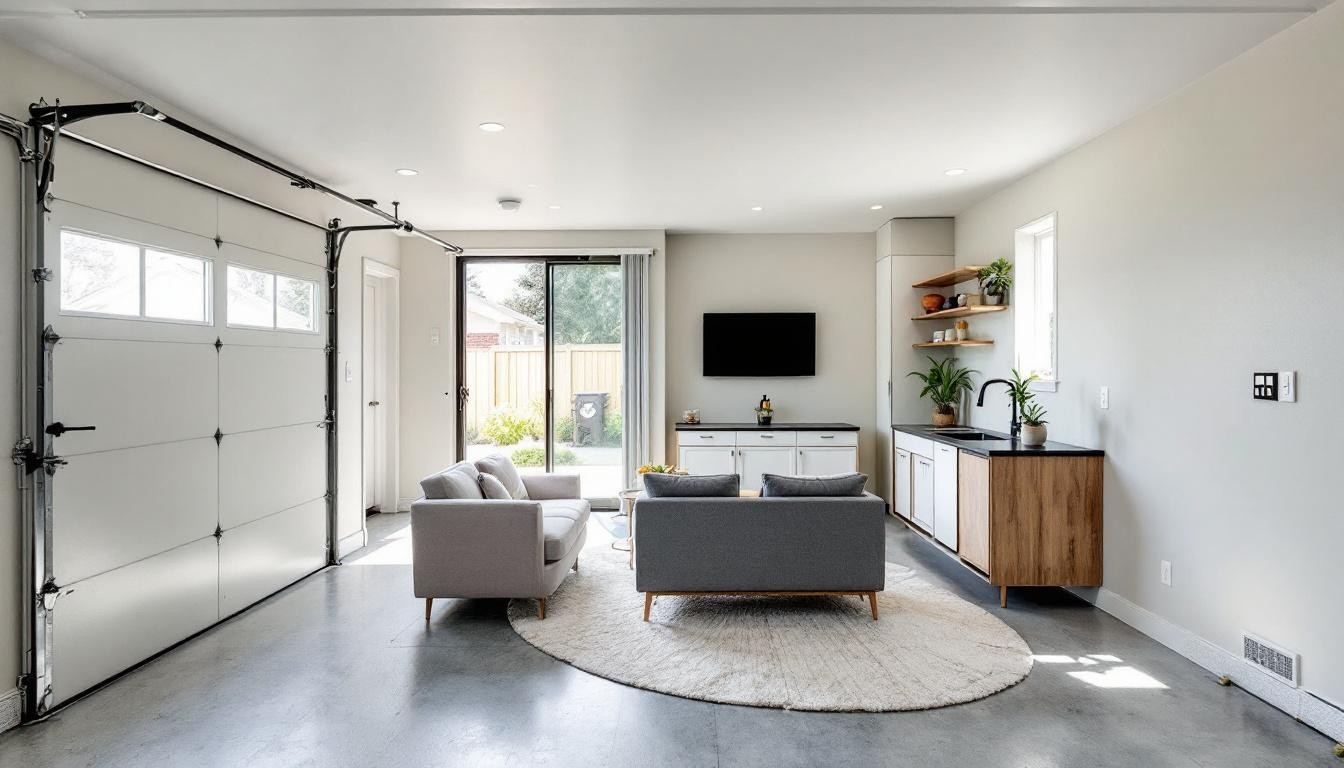
Your garage is wasted square footage if it’s only holding old boxes and forgotten tools. We at Dzala General Contractor see homeowners in Arlington, Vienna, and Tysons transform these spaces into functional living areas that add real value to their homes.
Garage conversion ideas range from home offices to guest bedrooms to fitness studios. The right project depends on your needs, budget, and local zoning requirements.
What Works Best for Your Garage Space
Home Offices Deliver Professional Results
A home office setup works particularly well if you spend most of your time on video calls or focused work. The concrete floor in a garage actually becomes an asset here-you can install luxury vinyl plank or polished concrete that looks professional without the maintenance headaches of traditional flooring. Most homeowners need around 120 square feet for a functional office, which fits comfortably in a single-car garage. Electrical demands are straightforward: add dedicated circuits for your computer setup, monitor, and lighting to avoid overloading the system. Insulation matters more than people think-inadequate insulation causes temperature swings that make concentration difficult. A mini-split HVAC system costs between $3,000 and $5,000 installed but provides zone-controlled heating and cooling that keeps your workspace comfortable year-round without running the whole house system.
Guest Suites and Bedrooms Command Premium Value
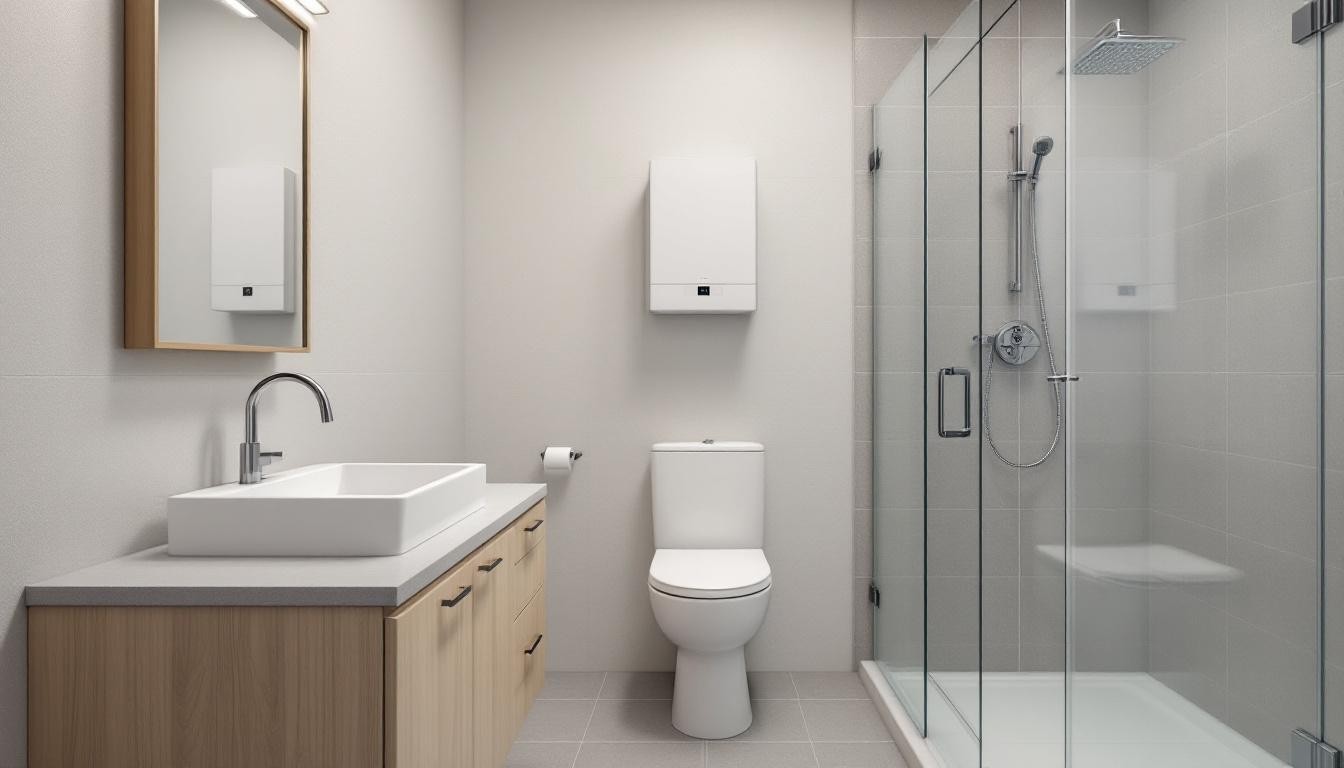
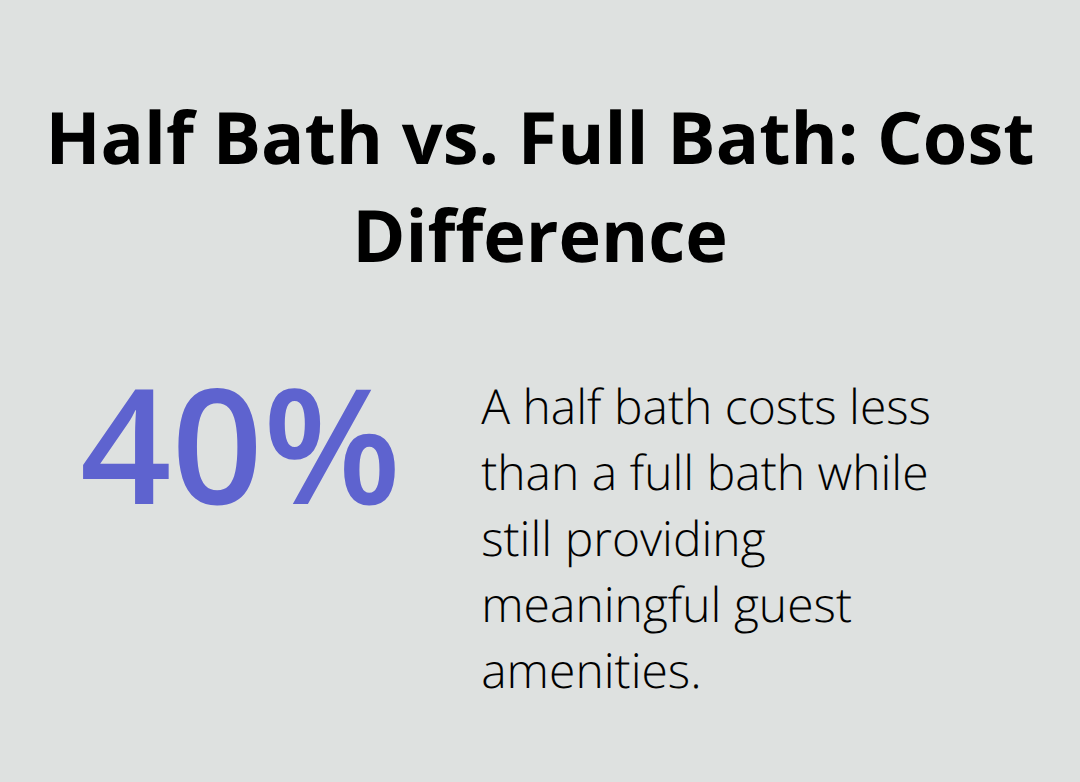
Guest suites and bedrooms command the highest resale value among garage conversions. If you add a bathroom, plan the plumbing carefully-running water lines from your main house to a detached or side garage costs significantly more than interior layouts. A half bath is the practical sweet spot, costing roughly 40 percent less than a full bath while still adding meaningful guest amenities. For bedrooms specifically, egress windows are non-negotiable in Arlington, Vienna, and Tysons due to Virginia building codes-these windows provide emergency exits and increase natural light, making the space feel less basement-like.
Home Gyms Require Smart Design Choices
Home gyms attract serious buyers, though the National Safety Council reports approximately 450,000 people experience serious exercise-related injuries annually, so proper flooring with shock-absorbing rubber tiles prevents both injuries and noise complaints to neighbors. Fitness spaces require minimal plumbing but demand excellent ventilation-poor air quality during workouts defeats the purpose. Track lighting and mirrored walls cost under $1,500 combined but transform a plain garage into a space where people actually want to exercise.
Match Your Conversion to Real Usage Patterns
The conversion type you select should match how you’ll actually use the space, not what sounds impressive on paper. Each option-office, guest suite, or gym-demands different electrical, plumbing, and climate control investments. Your choice directly affects both construction costs and long-term satisfaction with the finished space. With the right conversion type selected, you now need to understand the permitting and planning requirements specific to your area.
Planning Your Garage Conversion Project
Fairfax County Permits Control Your Timeline
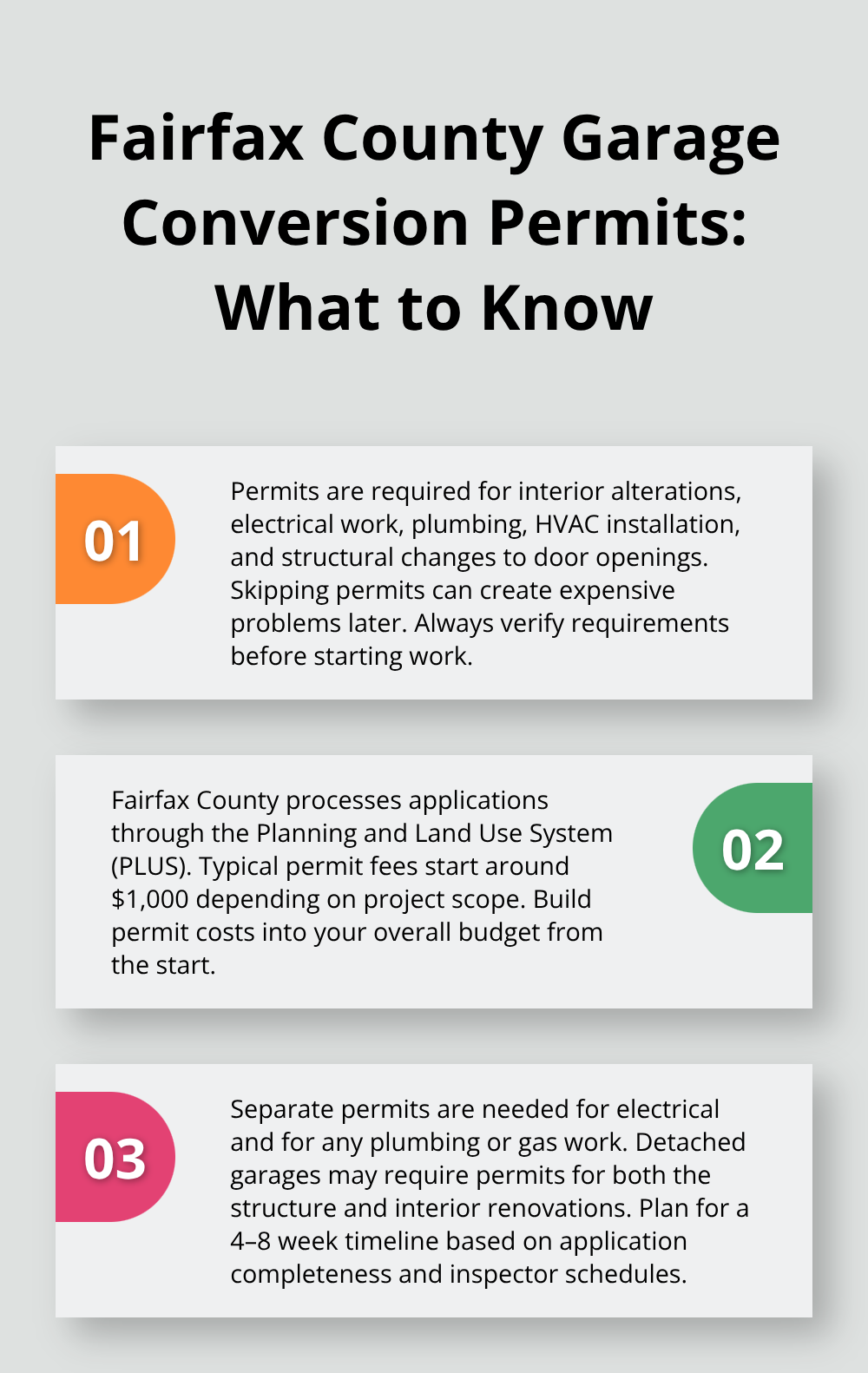
Permit requirements in Arlington, Vienna, and Tysons are stricter than most homeowners expect, and skipping this step creates expensive problems later. Fairfax County requires building permits for any garage conversion that involves interior alterations, electrical work, plumbing, HVAC installation, or structural changes to door openings. The county processes applications through the Planning and Land Use System (PLUS), and typical permit fees start around $1,000 depending on your project scope. Electrical work tied to the conversion requires its own permit from Fairfax County, as does any plumbing or gas work if you add a bathroom or kitchenette. If your garage is detached, you’ll need separate permits for the structure itself plus interior renovations.
Contact Fairfax County Land Development Services at 703-222-0801 before you purchase materials or hire contractors. They’ll confirm exactly which permits apply to your specific project and catch zoning violations that could halt work midway through construction. Setback requirements and zoning restrictions vary between Arlington, Vienna, and Tysons, so what’s legal in one municipality may violate codes in another. Plan for the permitting process to take 4-8 weeks depending on application completeness and inspector schedules.
Budget Accounts for More Than Cosmetic Finishes
Your budget should account for permits, structural assessment, and climate control systems rather than just cosmetic finishes. A typical garage conversion costs around $12,000 total when permits are included, though this varies significantly based on whether you add a bathroom, HVAC system, or electrical upgrades. Mini-split HVAC systems for zone-controlled heating and cooling run $3,000 to $5,000 installed and are worth the investment-inadequate climate control makes the space uncomfortable and reduces resale appeal.
Hire a Licensed Contractor Who Navigates Permits Correctly
A qualified contractor reviews structural integrity, assesses foundation and ceiling conditions before you remove the garage door opening, and coordinates with county inspectors at each phase of work. Hire a licensed contractor who carries liability insurance and can navigate Fairfax County’s permitting process without delays. Get detailed bids from multiple contractors, verify their licensing through Virginia’s Department of Professional and Occupational Regulation, and check references from recent garage conversion projects in your area.
The cheapest bid often signals contractors who cut corners on insulation, electrical work, or permit compliance. Costs balloon when inspectors require rework or when poor insulation forces you to upgrade your HVAC system later. With permits secured and a contractor selected, the actual design and construction phase determines whether your conversion delivers comfort and lasting value.
Design and Construction Considerations
Insulation Prevents Temperature Swings and Future Upgrades
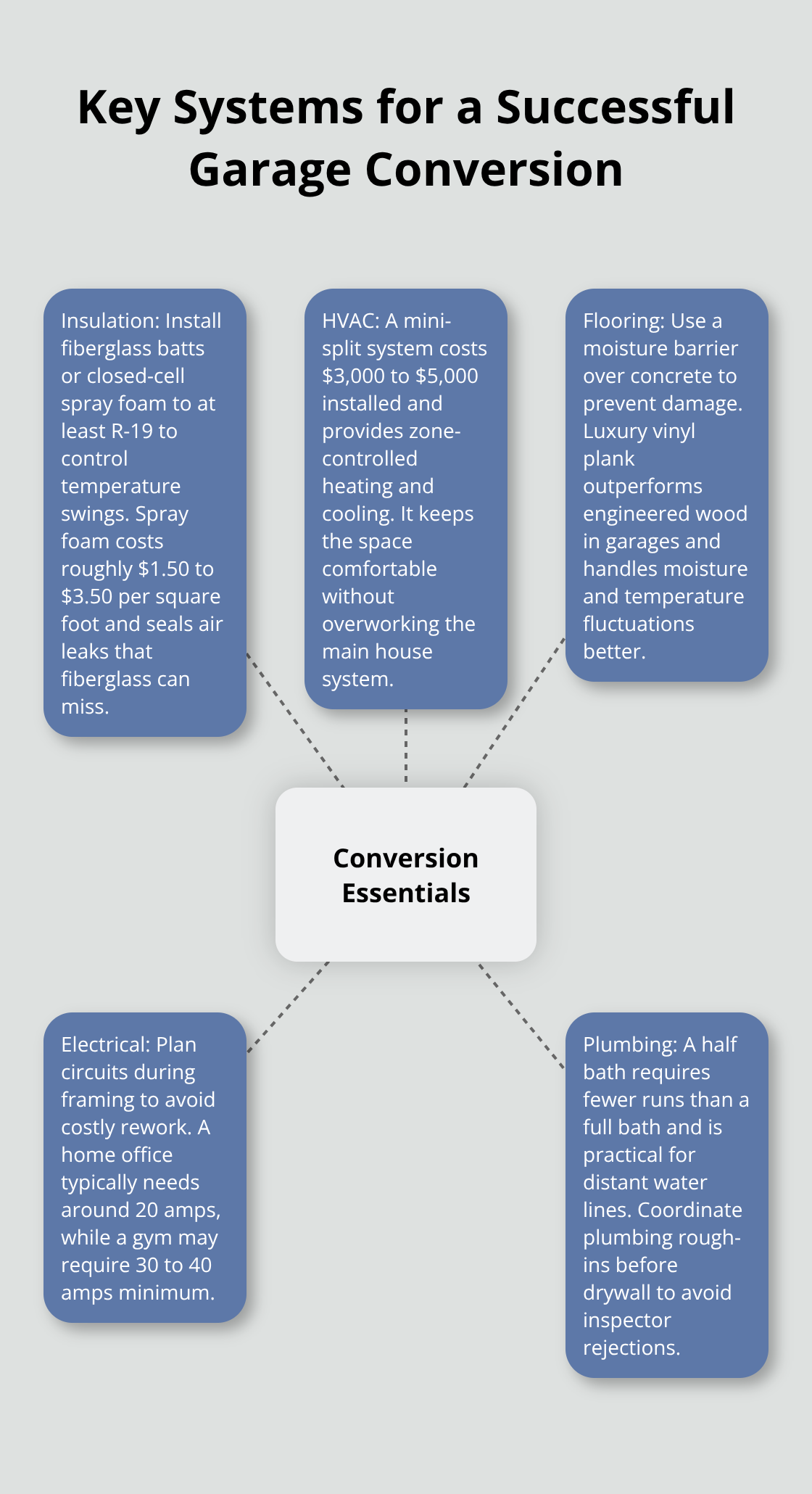
Insulation separates a comfortable conversion from an expensive mistake that forces you to upgrade systems later. Garages lack proper insulation by design, and most homeowners underestimate how much temperature swings affect usability. Install fiberglass batts or closed-cell spray foam between wall studs and in the ceiling to R-19 minimum for Arlington, Vienna, and Tysons climates-this prevents condensation on concrete floors and maintains stable indoor temperatures. Spray foam costs more upfront at roughly $1.50 to $3.50 per square foot, but it seals air leaks that fiberglass misses, reducing your heating and cooling load significantly.
A mini-split HVAC system remains the smartest choice for converted garages because it heats and cools only the space you’re using rather than forcing your main house system to work harder. These systems cost $3,000 to $5,000 installed and let you maintain different temperatures in your garage conversion versus the rest of your home-critical if your conversion is detached or you want to avoid heating an empty guest suite during winter months.
Flooring Choices Determine Long-Term Durability
Concrete garage floors need moisture barriers before any flooring installation because water wicks up through concrete and ruins luxury vinyl plank or engineered wood within months. Luxury vinyl plank outperforms engineered hardwood in garages because it handles moisture and temperature fluctuations better while costing 30 to 50 percent less. The moisture barrier acts as your first line of defense against water damage that can compromise your entire conversion investment.
Electrical Work Demands Planning During Framing
Electrical demands shift dramatically based on your conversion type-a home office needs dedicated circuits for computers and equipment totaling around 20 amps, while a home gym with multiple outlets for equipment needs 30 to 40 amps minimum. Coordinate electrical rough-ins before drywall installation because moving circuits after walls are framed costs thousands extra and creates structural complications that inspectors won’t approve.
Plumbing Requires Strategic Layout Decisions
Plumbing for bathrooms demands the most planning because running supply lines and drain pipes from your main house to a detached garage costs significantly more than interior layouts. A half bath with just a toilet and sink requires fewer plumbing runs than a full bath, making it the practical choice when your conversion sits far from existing water lines. Coordinate plumbing rough-ins before drywall installation to avoid expensive rework and inspector rejections.
Final Thoughts
Your garage conversion transforms wasted square footage into functional living space that increases your home’s market value and daily usability. Whether you select a home office, guest suite, or fitness studio, the success of your project depends on understanding local permit requirements in Arlington, Vienna, and Tysons, budgeting realistically for structural and mechanical systems, and hiring contractors who execute the work to code. Skipping permits or cutting corners on insulation, electrical work, or HVAC installation creates expensive problems that compound over time.
A $12,000 conversion with proper planning and professional execution delivers lasting comfort and resale value, while a poorly executed conversion with permit violations or inadequate climate control becomes a financial burden that costs far more to fix than doing it right initially. We at Dzala General Contractor manage every phase of garage conversion ideas, from initial design through final inspection, and coordinate permits with Fairfax County to eliminate delays and rework. Our team assesses structural integrity, installs proper insulation, electrical systems, and HVAC equipment that keeps your converted space comfortable year-round.
Contact Dzala General Contractor to discuss your project and receive a detailed bid that accounts for permits, materials, and labor. The difference between a successful conversion and a costly mistake is working with experienced professionals who understand local codes and deliver quality craftsmanship from start to finish.