Tysons homeowners are transforming their underutilized basements into valuable living spaces that boost property values and enhance daily life. The right basement remodeling ideas can turn your below-ground area into anything from a sophisticated home theater to a productive workspace.
We at Dzala General Contractor see growing demand for multi-functional basement conversions that maximize every square foot. Smart planning and creative design solutions make these transformations both practical and profitable.
Popular Basement Remodeling Trends in Tysons
Tysons homeowners choose home theaters as their top basement transformation, with 65% of recent projects including dedicated entertainment spaces according to National Association of Home Builders data. These spaces require 9-foot minimum ceiling heights and proper soundproofing with acoustic panels and solid-core doors. Tiered seating platforms maximize viewing angles, and quality audio-visual equipment plus theater seating costs $15,000 to $25,000.

Home Theater and Entertainment Spaces
Professional installation of surround sound systems creates cinema-quality experiences that rival commercial theaters. Mount projectors at precise distances (typically 12-15 feet from screens) to achieve optimal image clarity. Dark paint colors on walls reduce light reflection, while carpet or rubber flooring minimizes sound transmission to upper levels. Mini-fridges and popcorn machines complete the authentic theater atmosphere that families use 3-4 times weekly on average.
Home Office and Remote Work Areas
Remote work demands have made basement offices essential, with 40% of Tysons professionals now working from home at least three days weekly. Position offices near existing electrical panels to reduce wiring costs, and install egress windows for safety compliance. Moisture-resistant laminate flooring costs $3 to $8 per square foot, while built-in desk solutions with USB charging stations maximize productivity. Proper ventilation systems cost $2,000 to $4,000 but prevent air quality issues.
In-Law Suites and Guest Accommodations
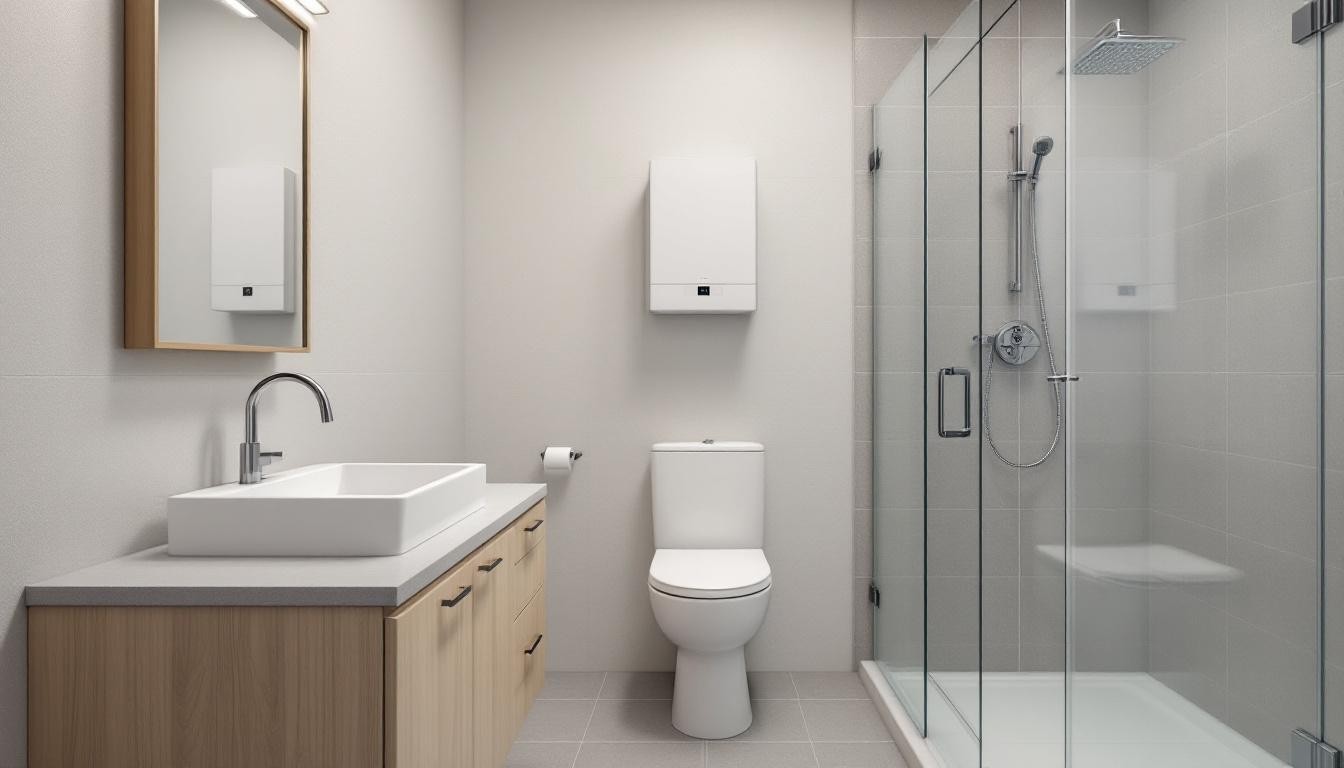
In-law suites generate the highest return on investment at 70% according to Remodeling Magazine, particularly valuable in Tysons’ expensive housing market. Include separate entrances, full bathrooms with showers, and kitchenettes with mini-refrigerators and microwaves. Egress windows are mandatory for bedroom spaces (costing $3,000 to $5,000 per window including installation). These suites rent for $1,200 to $1,800 monthly in Tysons, making them profitable long-term investments.
Smart design choices in these popular renovation types set the foundation for successful projects, but proper basement remodeling planning addresses the technical challenges that determine long-term success.
Planning Your Basement Renovation Project
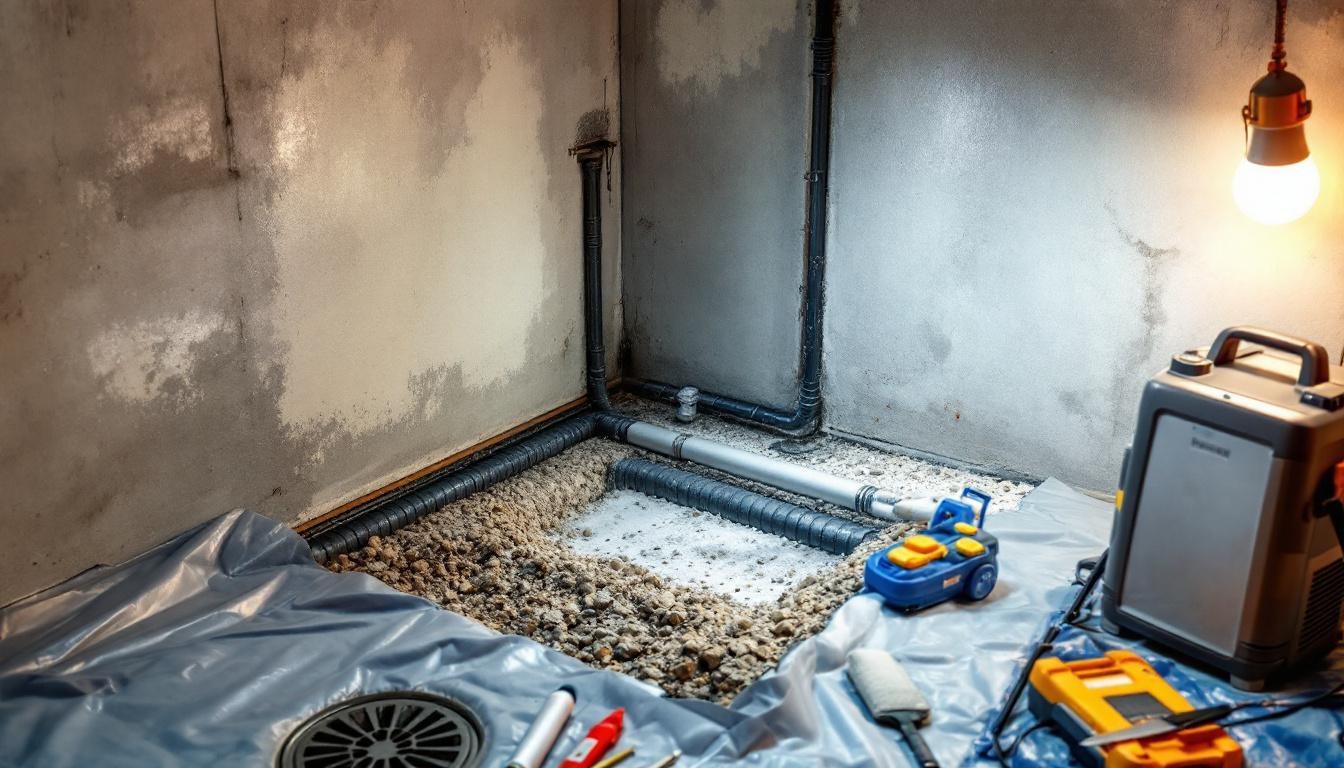
Moisture assessment comes first because water damage ruins even the most expensive renovations. Check for white chalky deposits on walls, musty odors, or water stains that indicate active leaks. Professional moisture tests cost $300 to $500 but prevent thousands in future repairs. Install French drains and waterproof membranes before any finish work begins, as retrofit systems cost 40% more than initial installation.
Assessing Moisture and Structural Issues
Foundation problems require immediate attention before any renovation work starts. Structural engineers charge $800 to $1,500 for load-bearing beam calculations in Tysons projects. Ceiling heights must meet Virginia’s 7-foot minimum for habitable spaces, though 8 feet provides better comfort. Electrical panels need 30-amp service upgrades for most basement projects (ranging from $1,200 to $2,500).

Understanding Local Building Codes and Permits
Fairfax County requires permits for basement renovations, with fees calculated at 1% of total construction value plus $65 minimum. Plumbing rough-ins cost $2,000 to $4,000 when contractors install them during initial construction phases. Schedule inspections one business day ahead through Fairfax County’s online system to avoid project delays. Virginia building codes mandate egress windows for bedroom spaces, which cost $3,000 to $5,000 per window with professional installation.
Setting a Realistic Budget and Timeline
Tysons basement renovations cost $40 to $80 per square foot for quality finishes, with 800-square-foot spaces requiring $32,000 to $64,000 budgets. Add 20% contingency funds because older homes reveal unexpected issues like outdated wiring or foundation problems. Complete renovations take 8 to 12 weeks, with permit approval adding 2 to 4 weeks upfront. Winter construction works well for basement projects since weather delays don’t affect below-ground work.
Smart space planning transforms these technical foundations into functional living areas that serve multiple purposes while maintaining comfort and style.
Maximizing Space and Functionality
Open floor plans work best for Tysons basements because they create the illusion of larger spaces while they serve multiple purposes simultaneously. Remove non-load-bearing walls to combine areas, but keep structural columns exposed as design elements with decorative wraps. Position heavy furniture like sectional sofas to define zones without blocked sight lines, and use area rugs to separate entertainment areas from workspace zones. The National Association of Home Builders reports that open-concept basements increase usable space perception by 30% compared to compartmentalized layouts.
Open Floor Plan Designs for Multi-Purpose Use
Sliding barn doors or pocket doors between zones provide privacy when necessary, as these options consume zero floor space when open. Design furniture placement to create natural traffic flow patterns that connect different activity areas smoothly. Use consistent flooring materials throughout the space to maintain visual continuity and make the basement appear larger. Light-colored luxury vinyl plank flooring costs $4 to $8 per square foot and reflects more light than darker alternatives.
Built-In Storage Solutions and Organization
Built-in storage solutions cost 40% less when contractors install them during initial construction compared to retrofit projects. Design floor-to-ceiling shelving units around basement support posts, which creates storage that appears intentional rather than awkward. Under-stair storage captures 60 to 80 cubic feet of otherwise wasted space, perfect for seasonal items or cleaning supplies. Install wall-mounted cabinets 18 inches above floor level to prevent moisture damage while you maintain accessibility.

Custom bench seating with internal storage serves dual purposes and provides both seating and organization for 50% less cost than separate furniture pieces. Built-in entertainment centers house media equipment while they hide unsightly cables and wires. Corner storage units maximize awkward spaces that standard furniture cannot fill effectively.
Lighting Strategies for Below-Ground Spaces
Recessed LED lights spaced 6 feet apart provide even illumination without they consume headroom in low-ceiling basements. Layer ambient, task, and accent lights to eliminate the cave-like feeling common in basement spaces. Install dimmer switches on all circuits (which allow brightness adjustment for different activities throughout the day). Track lighting costs $200 to $400 per room but offers flexibility for highlighted artwork or architectural features.
Paint walls in light colors like warm white or pale gray to reflect artificial light effectively, which increases brightness by 25% compared to darker paint choices. Window wells with proper drainage bring natural light into below-ground spaces while they meet egress requirements. Table lamps and floor lamps add warmth and create cozy zones within the larger open space.
Final Thoughts
Successful basement remodeling ideas demand careful attention to moisture control, structural integrity, and local building codes before any design work begins. Tysons homeowners who skip these foundational steps often face costly repairs that exceed their original renovation budgets by 30% or more. Professional contractors identify potential problems early and address them before they become expensive disasters.
Professional design and construction teams bring specialized knowledge of Virginia building requirements, proper waterproofing techniques, and efficient project management. Licensed professionals carry insurance protection that DIY projects cannot provide (unlike homeowner attempts that void warranties). Multiple contractor coordination creates headaches that single-source providers eliminate completely.
Your Tysons basement project starts with a thorough assessment of your space and goals. Schedule consultations with experienced contractors who understand local permit requirements and can provide accurate cost estimates. Dzala General Contractor offers comprehensive basement renovation services that transform underutilized spaces into valuable living areas.