Building a custom home in Arlington, Virginia, Vienna, or Tysons is one of the biggest decisions you’ll make. The custom home building process involves countless decisions, timelines, and details that can feel overwhelming without proper guidance.
We at Dzala General Contractor have guided hundreds of families through this journey. This guide walks you through each phase, from your initial vision to the moment you turn the key in your new front door.
Setting Your Vision and Budget Before Breaking Ground
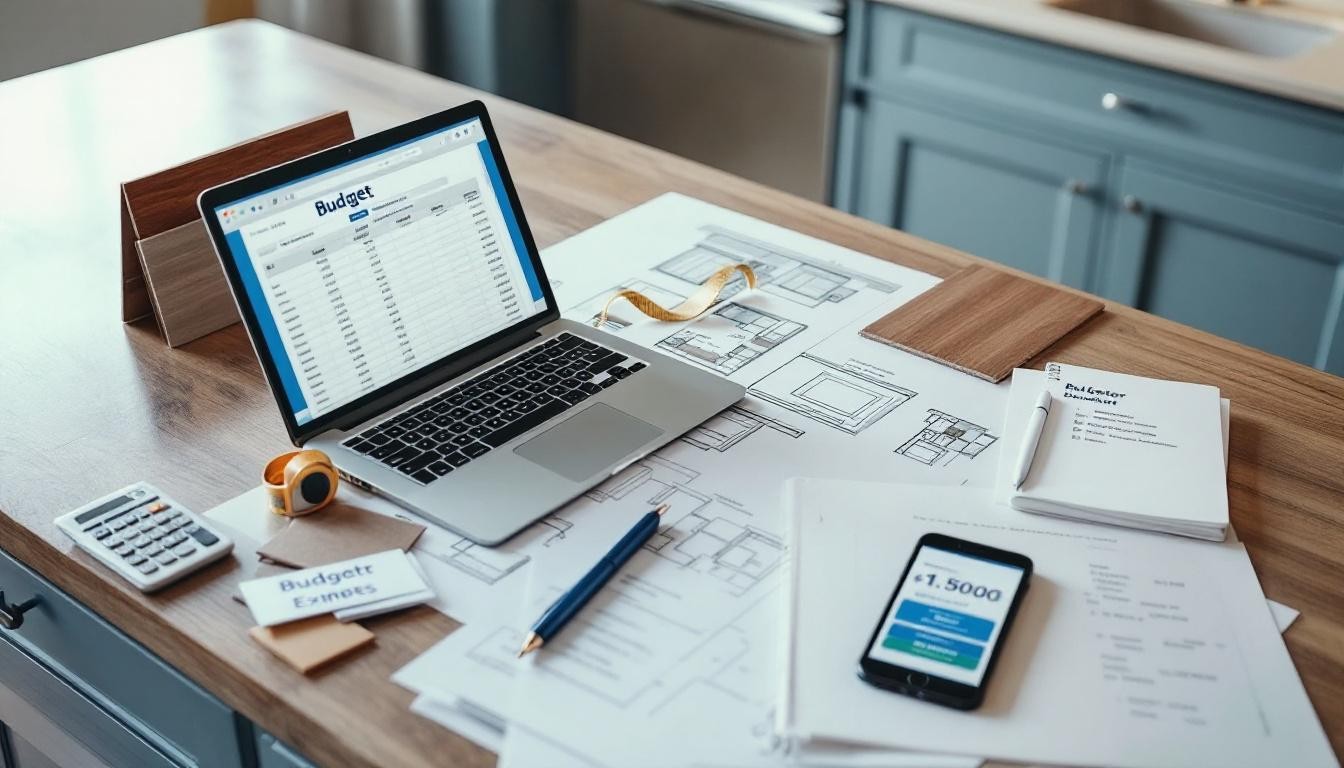
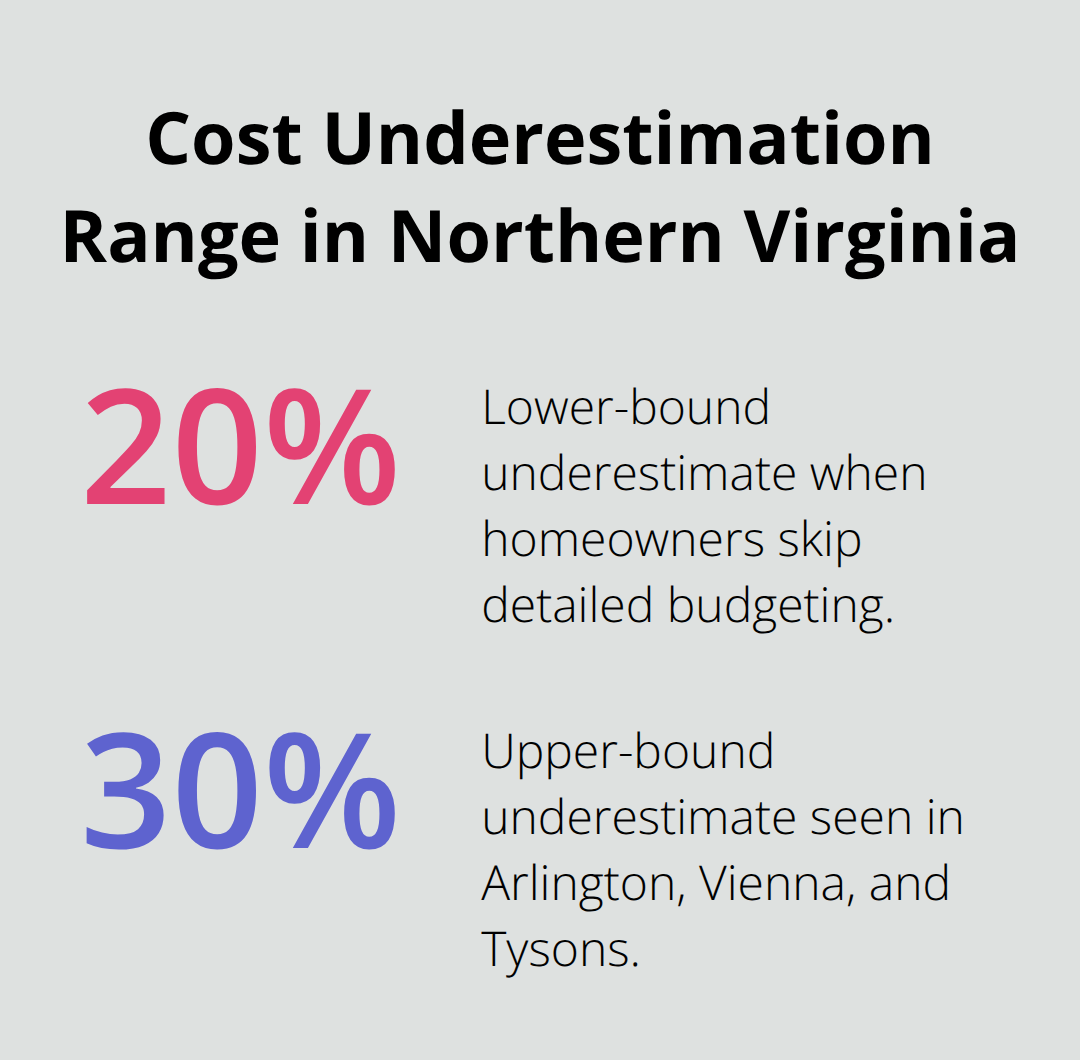
The first meeting with your builder determines whether your project stays on track or derails months later. Start this conversation with a clear picture of what you want, not vague ideas. Bring photos, measurements of your current space, and a realistic budget range. Many homeowners in Arlington, Vienna, and Tysons underestimate costs by 20-30 percent because they skip this step. We at Dzala General Contractor handle detailed budget conversations upfront, breaking down land costs, construction, permits, and contingencies separately. A 3,500-square-foot custom home in Northern Virginia typically runs between $450,000 and $750,000 depending on finishes and site conditions, though supply chain volatility can shift these numbers.
Ask your builder to explain exactly what that budget includes and what it doesn’t. Too many homeowners discover mid-build that appliances, landscaping, or exterior finishes weren’t covered in the original estimate.
Getting Blueprints Right the First Time
Blueprints become final only after you sign off on them. This sounds obvious, but homeowners often regret not spending enough time visualizing spaces before construction begins. Use 3D renderings and floor plan overlays to see how light moves through rooms at different times of day. Walk the lot with your builder and physically tape out room dimensions on the ground so you can stand in the actual space your kitchen or bedroom will occupy. Request that your builder provide a detailed timeline showing when major decisions must be made before construction starts. Changes requested after the foundation is poured cost exponentially more and delay completion. Your builder should also explain site-specific challenges like slope, soil conditions, or tree preservation that affect the design and budget.
Navigating Permits in Your Local Jurisdiction
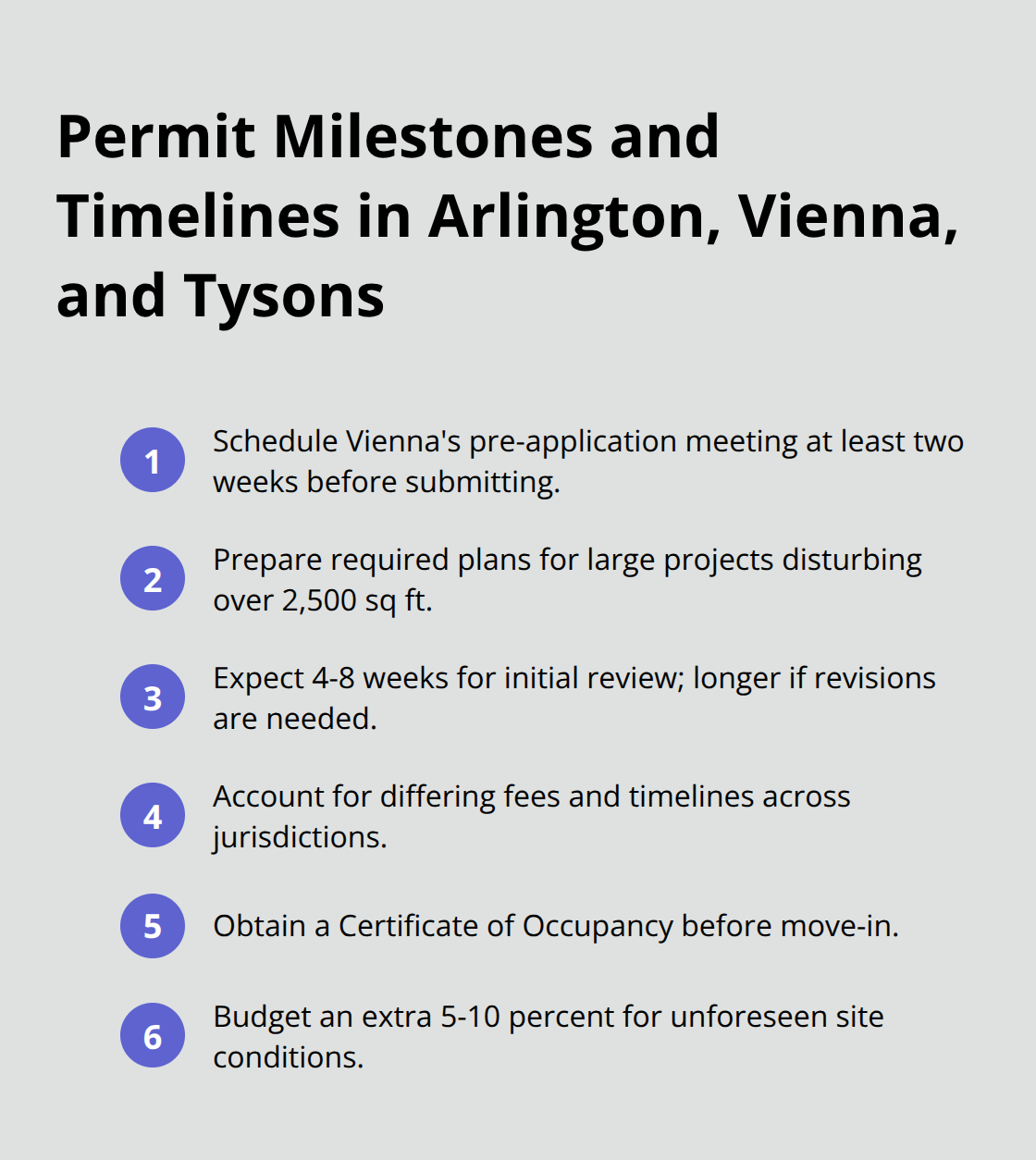
Permits are non-negotiable in Arlington, Vienna, and Tysons, and each jurisdiction has different requirements. Vienna requires a pre-application meeting with Town staff at least two weeks before you submit anything formal. Large-scale residential projects with more than 2,500 square feet of land disturbance need a demolition plan, lot grading plan, and wall check survey before you can build above the foundation. Arlington and Tysons have similar processes but different fee structures and review timelines. Your builder should handle permit applications, but you need to understand the timeline. Expect 4-8 weeks for initial review in most cases, longer if revisions are needed. Vienna also requires a Certificate of Occupancy before you move in, which involves final inspections and height certifications. Build permit delays into your project schedule and budget an extra 5-10 percent for contingency costs tied to unforeseen site conditions discovered during permitting review.
Moving From Planning to Construction
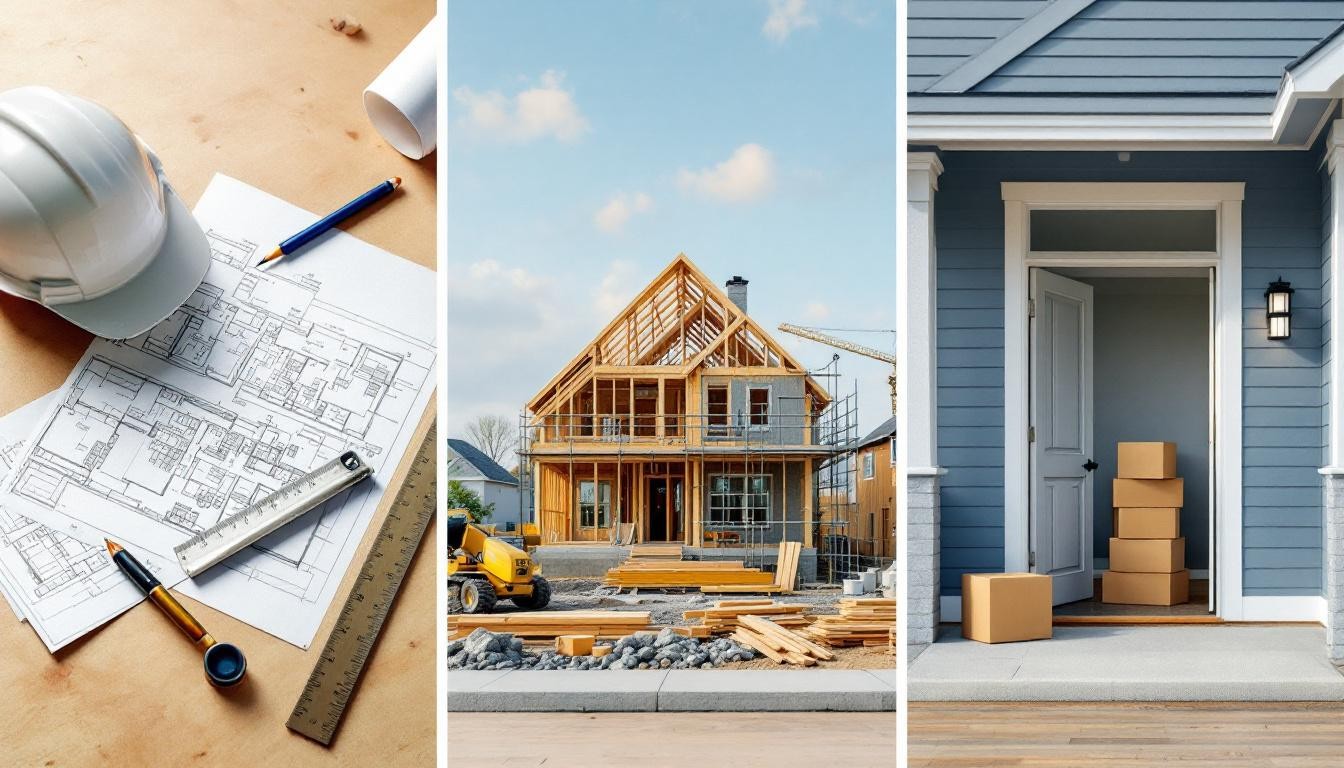
Once permits are approved and blueprints are locked in, your project transitions from the planning phase to active construction. Your builder will schedule a pre-construction meeting to walk through the timeline, establish communication protocols, and confirm all finish selections. This is your last chance to make changes without significant cost or delay. The foundation work begins shortly after, which marks the point of no return for major design modifications. Understanding this transition helps you prepare mentally and financially for the months ahead.
Building Your Home: What Happens During Construction
Foundation Work and Framing
The foundation work typically takes 2-4 weeks depending on soil conditions and whether your site requires special drainage or reinforcement. Your builder provides you with a detailed schedule showing when the foundation inspection occurs, when framing starts, and when rough-in inspections happen for electrical, plumbing, and HVAC systems. Vienna and Arlington require wall check surveys before framing goes above the foundation to verify your home sits exactly where the approved plans show it should. This inspection prevents costly mistakes later.
Framing moves quickly once it starts, usually completing in 3-6 weeks for a 3,500-square-foot home. During this phase, the skeleton of your house emerges, and you see the actual footprint of each room. Visit the site weekly and confirm that room sizes match your expectations from the blueprints. Many homeowners realize at this stage that a hallway feels narrower or a bedroom smaller than they imagined on paper. Catching these observations now, before walls are finished, allows your builder to address spacing concerns before drywall goes up.
Installing Systems and Interior Components
Systems installation happens after framing is complete and rough inspections pass. Electrical wiring, plumbing lines, and HVAC ductwork go in before insulation and drywall, allowing inspectors to verify everything meets code before it gets hidden. This phase typically takes 4-8 weeks and involves multiple inspections by both your builder’s crew and municipal inspectors. Your builder schedules these inspections in advance and notifies you when they occur so you can attend if desired.
Interior components like insulation, drywall, flooring, and cabinetry follow, transforming the skeleton into livable spaces. This is where quality oversight becomes critical. Request that your builder provide daily progress photos and a weekly written update showing what was completed, what’s scheduled next, and any issues encountered. Many builders in Arlington, Vienna, and Tysons use project management platforms that let you track progress remotely, which reduces stress and keeps communication clear.
Final Inspections Before Move-In
Final inspections happen before the Certificate of Occupancy is issued, confirming that all work meets local codes and your approved plans. Your builder walks you through every system, explains how to operate HVAC controls and appliances, and documents any minor issues for the punch list that gets resolved before closing. These inspections (conducted by both municipal authorities and your builder) represent the final checkpoint before you receive your keys and prepare to move into your new home.
What Happens During Your Final Walkthrough
Schedule and Prepare for the Walkthrough
The final walkthrough is not a casual stroll through your new home. This is an inspection where you verify that every detail matches your approved plans and that all promised work is complete. Schedule this walkthrough at least one week before closing, which gives your builder time to address issues you discover. Bring the original blueprints and your contract to reference specific finishes, paint colors, and fixture placements.
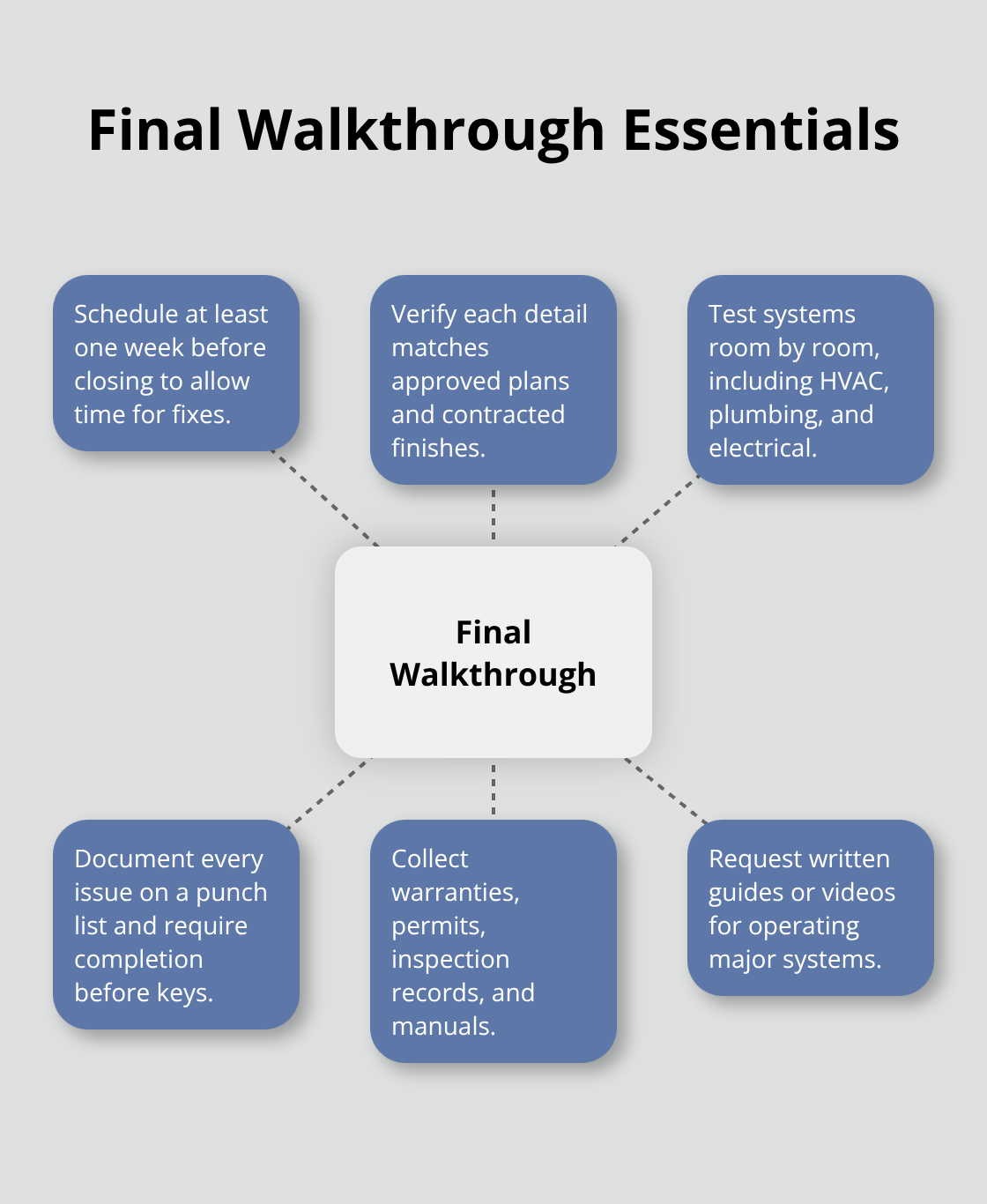
Walk through every room systematically, checking that baseboards are installed, doors open smoothly, outlets are positioned correctly, and appliances function.
Test Every System and Detail
Test light switches, faucets, and HVAC systems throughout the home. Open and close windows to confirm they operate without resistance. Many homeowners miss obvious problems because they rush through this phase, eager to move in. Vienna and Arlington both require final Certificate of Occupancy inspections before you receive keys, so municipal inspectors will have already verified structural and systems compliance. Your role is to confirm that cosmetic details and finish work meet your expectations.
Document Issues on Your Punch List
Create a written punch list documenting every item that needs correction, no matter how minor. Loose cabinet hinges, paint drips, or caulking gaps should all be noted. Your builder will schedule a punch list correction period, typically 7 to 14 days, to resolve these items before you close. Do not accept the keys until punch list items are completed. Builders in Arlington, Vienna, and Tysons understand this standard practice, and any reputable contractor will welcome the opportunity to correct work before final handoff.
Evaluate Your Builder’s Response to Issues
The punch list phase separates reliable builders from those who cut corners. A builder who resists documenting issues or claims everything is perfect when you spot visible defects is signaling future problems. Once the punch list is addressed, your builder conducts a final systems walkthrough, explaining how to operate your HVAC system, water heater, electrical panel, and any smart home features. Request written documentation or videos of these explanations for future reference.
Collect Essential Documentation Before Closing
Your builder also provides warranties for materials and labor, along with contact information for service calls. Before receiving your keys, confirm you have the original blueprints, a copy of all permits and inspections, warranty information, and an instruction manual for major appliances and systems. These documents are essential for future renovations or if you sell the home. Minor settling cracks, cabinet adjustments, or appliance questions arise naturally in new homes. A responsive builder addresses these post-move-in items promptly.
Final Thoughts
Building a custom home in Arlington, Vienna, or Tysons demands patience, clear communication, and a builder who understands your vision. The custom home building process spans months of planning, construction, and careful oversight, with every decision shaping the home you’ll live in for years to come. The difference between a smooth project and a frustrating one often comes down to your builder-a reputable contractor handles permits correctly, maintains transparent communication, and stands behind their work when punch list items arise.
Builders who rush through planning, avoid detailed budget conversations, or resist documenting issues create problems that haunt you after move-in. In contrast, builders who invest time upfront in understanding your goals, explaining timelines clearly, and managing expectations deliver homes that match your vision. We at Dzala General Contractor believe the custom home building process succeeds when homeowners and builders work as partners, handling every aspect of your project from initial design through final walkthrough.
Your next step is scheduling a consultation with a builder you trust and asking about their experience in your specific jurisdiction. Request references from recent projects, confirm they use project management systems that keep you informed throughout construction, and visit completed homes to speak with homeowners about their experience. Contact Dzala General Contractor to discuss your vision and start building the home you’ve always wanted.