Home renovation projects in Arlington, Virginia, Vienna, Virginia, and Tysons, Virginia often fail because homeowners skip the planning phase. Without proper home renovation project management, budgets spiral, timelines slip, and quality suffers.
We at Dzala General Contractor have seen firsthand how a structured approach transforms chaotic projects into smooth operations. This guide walks you through proven strategies to keep your renovation on track.
Planning and Preparation for Your Renovation
Define Your Scope in Writing
Start with a written scope of work that lists every single item you want completed. This document becomes your contract foundation and prevents scope creep. In Arlington, Vienna, and Tysons, homeowners must specify finishes, materials, and exact rooms affected before any work begins. A vague scope leads to arguments later. Your budget must account for design, labor, materials, equipment rental, and a contingency reserve of at least 15 percent. For a mid-range kitchen renovation in the Northern Virginia market, expect $75,000 to $150,000 depending on finishes. Bathroom renovations typically run $20,000 to $50,000 per bathroom.
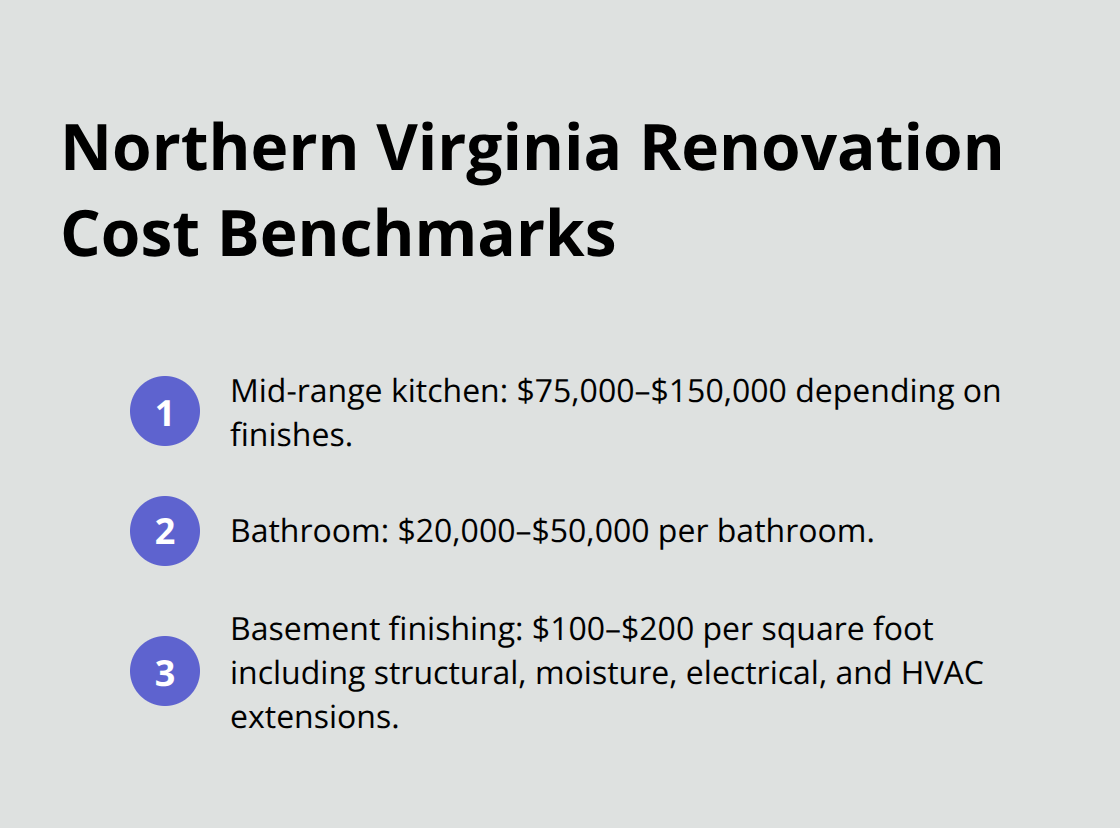
Basement finishing adds $100 to $200 per square foot when you factor in structural work, moisture control, electrical, and HVAC extensions.
Get Multiple Contractor Estimates
Get detailed estimates from at least three licensed contractors before committing. These estimates should itemize labor, materials, and timeline separately so you understand what drives costs. Many homeowners in this region underestimate timelines by 30 to 40 percent because they don’t account for permit delays, material lead times, or subcontractor availability. Request references from projects completed in the past two years and actually call them. Ask about budget adherence, communication frequency, and how the contractor handled unexpected issues.
Select a Contractor with Local Expertise
Choose a contractor with verifiable local experience in Arlington, Vienna, or Tysons. A contractor unfamiliar with local permit requirements through the Town of Vienna or Fairfax County will cost you time and money. Verify that your contractor carries general liability insurance and workers compensation coverage. Once hired, establish a communication schedule-weekly site meetings or progress calls prevent misunderstandings.
Build Your Project Schedule and Team Structure
Your contractor should provide a detailed project schedule showing the critical path, material deliveries, and subcontractor sequencing. Large renovations involving basement finishing, wall removal, or structural changes require coordination across multiple trades, and poor scheduling creates bottlenecks that extend timelines by weeks. Define decision-making authority upfront so approvals don’t stall the work. A written change order process protects both parties and documents how scope modifications affect cost and schedule. Without this structure, informal changes accumulate and inflate final bills unexpectedly. With your scope locked down and your team in place, you’re ready to move into active project management-where communication and tracking keep everything aligned.
Keeping Your Project on Track During Construction
Schedule Weekly Meetings and Document Everything
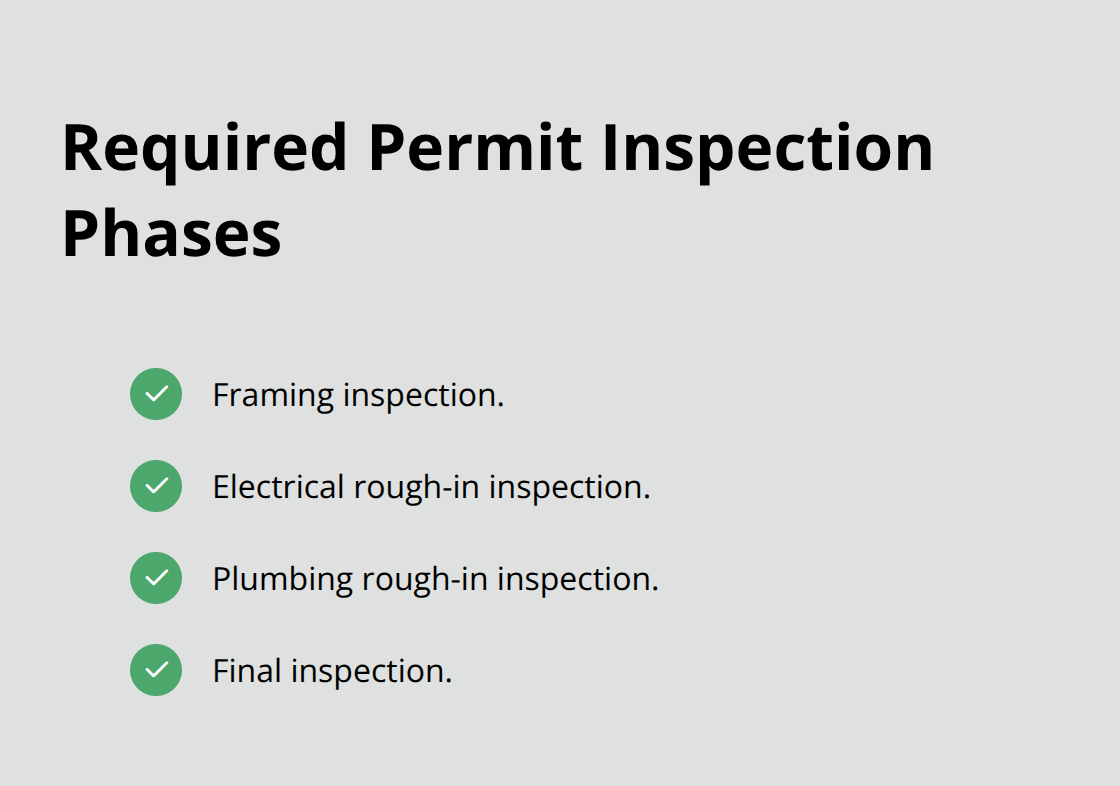
Set a fixed day and time for site meetings-Tuesday mornings at 9 AM, for example-so your contractor, key subcontractors, and you all show up prepared. During these meetings, review the previous week’s progress against the schedule, discuss material deliveries arriving that week, and address any issues before they compound. Document what was discussed, what got completed, and what’s scheduled next. In Arlington, Vienna, and Tysons projects, permit inspections happen at specific phases: framing, electrical rough-in, plumbing rough-in, and final. Your schedule must align with these inspection windows or you’ll lose weeks waiting for availability. Many homeowners miss this detail and end up delaying final inspections because work wasn’t sequenced correctly.
Track Costs and Changes in Real Time
Track actual costs against your budget weekly, not monthly. When you spot a $3,000 material overage in week three, you can adjust spending elsewhere immediately rather than discovering a $15,000 shortfall at project close. Use a simple spreadsheet or project management tool to record invoices, purchase orders, and labor hours as they occur. Changes happen on every renovation-a structural beam costs more than estimated, or you decide mid-project to upgrade cabinet hardware. The moment a change is identified, create a written change order that specifies the new cost, the schedule impact, and requires your signature before work proceeds. Without this discipline, contractors add work informally, then bill you later for scope you didn’t authorize.
Conduct Phase Inspections and Stop Defects Early
Quality defects and safety violations compound costs far more than prevention does. Schedule formal inspections at each major phase: after framing, after mechanical rough-ins, and before drywall closes walls. Walk the site yourself weekly and photograph progress. If drywall goes up with electrical boxes not properly secured or plumbing penetrations not sealed, stop work and require correction before the next phase begins. Safety violations are even more serious. Contractors must follow OSHA-compliant practices including proper PPE, fall protection on elevated work, and safe equipment operation. If you see workers without hard hats or working on ladders without tie-offs, that’s a red flag for a contractor who cuts corners everywhere.
Verify Insurance and Liability Coverage
Verify that your contractor maintains current workers compensation insurance and that all subcontractors carry liability coverage. If someone gets injured and coverage lapses, you could face liability. Request certificates of insurance from your contractor and all major subcontractors before they start work on your Arlington, Vienna, or Tysons home. These documents protect you if accidents occur and establish clear responsibility for claims. With daily communication, real-time cost tracking, and rigorous phase inspections in place, you’ve built the operational backbone of project control. The next challenge emerges when reality collides with your plan-unexpected structural issues, permit delays, or scope creep that tests your management discipline.
Where Renovation Plans Collide with Reality
Budget Overruns Happen When You Don’t Account for Hidden Costs
Most homeowners in Arlington, Vienna, and Tysons drastically underestimate both costs and timelines because they fail to account for the variables that actually drive expenses on renovation projects. A kitchen remodel quoted at $85,000 often finishes at $110,000 or higher when structural surprises emerge, material lead times extend, or permit delays push the schedule. According to the National Association of Home Builders, homeowners typically add 20 to 30 percent contingency to their budgets, yet projects still overrun because that reserve gets consumed by legitimate unforeseen conditions rather than poor planning.
The real culprit is underestimating labor hours and material costs in the first place. When you request estimates from contractors, insist they break down every line item separately: framing labor, electrical labor, plumbing labor, materials for each trade, equipment rental, and permit fees. A contractor who gives you a single lump sum has hidden margin and flexibility to shift costs mid-project.
In Northern Virginia, material lead times for custom cabinetry, trim, and specialty finishes often run 8 to 12 weeks, yet homeowners schedule work assuming standard four-week delivery windows. If your schedule fails to account for these delays, you lose weeks waiting for materials to arrive while your crew sits idle or moves to other jobs. For basement finishing projects specifically, structural surprises like inadequate drainage, low ceiling heights requiring floor lowering, or unexpected soil conditions add $15,000 to $40,000 in unforeseen costs.
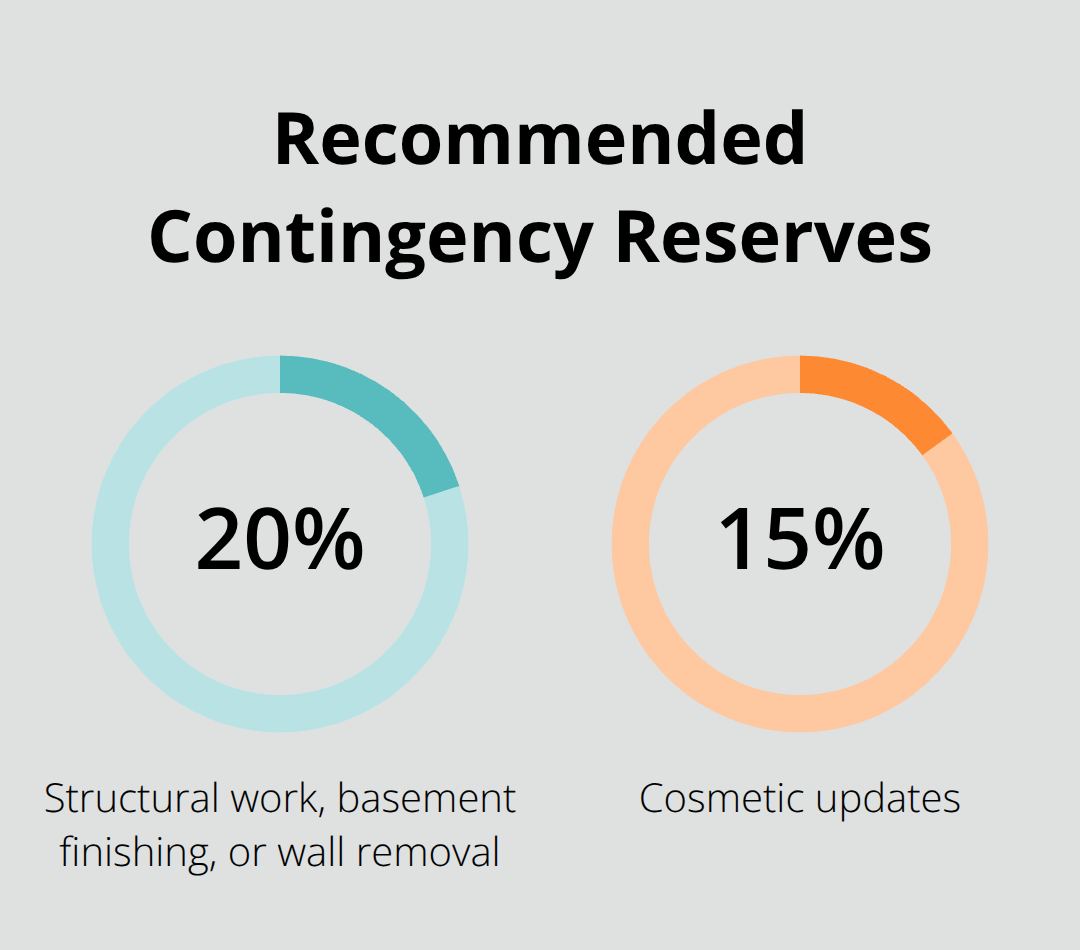
Establish your contingency reserve at 20 percent minimum for projects involving structural work, basement finishing, or wall removal, and 15 percent for cosmetic updates. Track spending weekly against that reserve and adjust scope immediately if you see it eroding faster than planned.
Permit Requirements Derail Projects That Skip the Application Process
Failing to navigate local permitting requirements before construction starts creates cascading delays that cost far more than the permit fees themselves. In the Town of Vienna, large-scale residential projects exceeding 2,500 square feet of land disturbance require a Large-Scale Residential Permit with submissions including lot grading plans, wall check surveys, height calculations, and erosion controls through the Applications and Plan Review Portal. Interior-only renovations without exterior work generally avoid Town review, but Fairfax County still handles structural, mechanical, electrical, plumbing, fire, and health code compliance.
If your contractor lacks familiarity with these distinctions, you discover mid-project that work needs to stop for inspections that should have been scheduled weeks earlier. Driveway modifications require separate Driveway Permits, fences require Fence Permits through the Town, and any basement finishing with egress windows or structural changes triggers inspection requirements at framing, rough-in, and final stages. Permit inspections in this region often have 2 to 4 week waiting periods, so if your schedule fails to reserve inspection windows at the right phases, you lose time waiting for availability.
Certificate of Occupancy approval requires passing both Fairfax County and Town inspections with as-built elevations and stormwater certifications before you can occupy finished spaces. Many homeowners plan to move back into renovated areas before final inspections are complete, then face code violations that force costly rework. File your permits before construction begins, not during or after. Your contractor should handle this, but verify it happens in writing and track permit status weekly.
Living Arrangements During Work Determine Your Family’s Comfort Level
Living arrangements during a renovation determine whether your family experiences minor disruption or months of chaos and hidden costs. A full kitchen renovation typically runs 6 to 10 weeks, during which you cannot use your kitchen for cooking. A basement finishing project spanning 16 to 24 weeks means dust, noise, and construction traffic in your home for months.
If you plan to live in the home during work, establish a temporary kitchen setup with a hot plate, microwave, and cooler well before construction starts. Establish construction hours with your contractor, typically 7 AM to 5 PM weekdays only, and enforce them strictly. Contractors who work evenings and weekends disrupt sleep and family routines far more than the project timeline itself.
If you have young children, elderly relatives, or anyone with health conditions sensitive to dust or noise, consider temporary housing for the duration. The cost of a short-term rental, typically $2,000 to $4,000 per month in this region, often proves worth the peace of mind and eliminates disputes about access, cleanliness standards, and work hour violations. Establish a site cleanliness standard in your contract specifying that the contractor removes debris daily, covers furniture in adjacent rooms, and maintains a dust barrier between work areas and living spaces. Without this standard written into your contract, you spend evenings vacuuming drywall dust and negotiating with your contractor about mess.
Final Thoughts
Home renovation project management separates successful projects from expensive disasters. The structured approach we’ve outlined-defining scope in writing, hiring contractors with local expertise, tracking costs weekly, conducting phase inspections, and managing permits before work begins-eliminates the chaos that derails most renovations in Arlington, Vienna, and Tysons. A disciplined process delivers three concrete benefits: you control costs by catching budget overruns early, you maintain schedule predictability by aligning work sequencing with permit inspection windows, and you protect quality and safety by enforcing standards at each phase instead of discovering defects after drywall closes walls.
The homeowners who finish projects on budget and on schedule treat renovation as a managed operation, not a series of informal decisions. They document scope changes in writing, schedule weekly meetings, track spending against budget, and verify that their contractor carries proper insurance and local knowledge. This discipline transforms what could become a source of stress and financial regret into an investment that adds real value to your home.
Your next step is selecting a contractor who understands this discipline and can execute home renovation project management effectively. Contact Dzala General Contractor to discuss your renovation scope and receive a detailed estimate that breaks down labor, materials, and timeline separately. With the right partner and a structured approach, your project stays on track from initial design through final walkthrough.