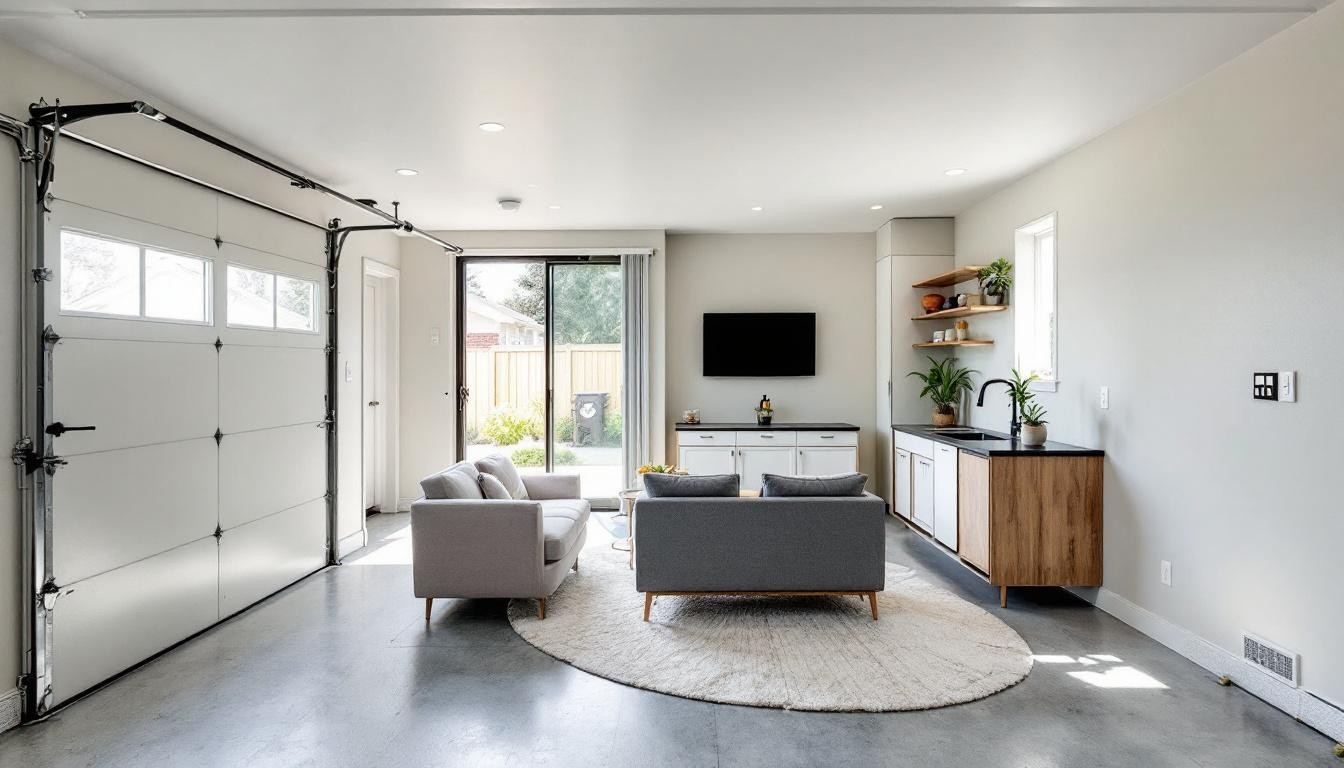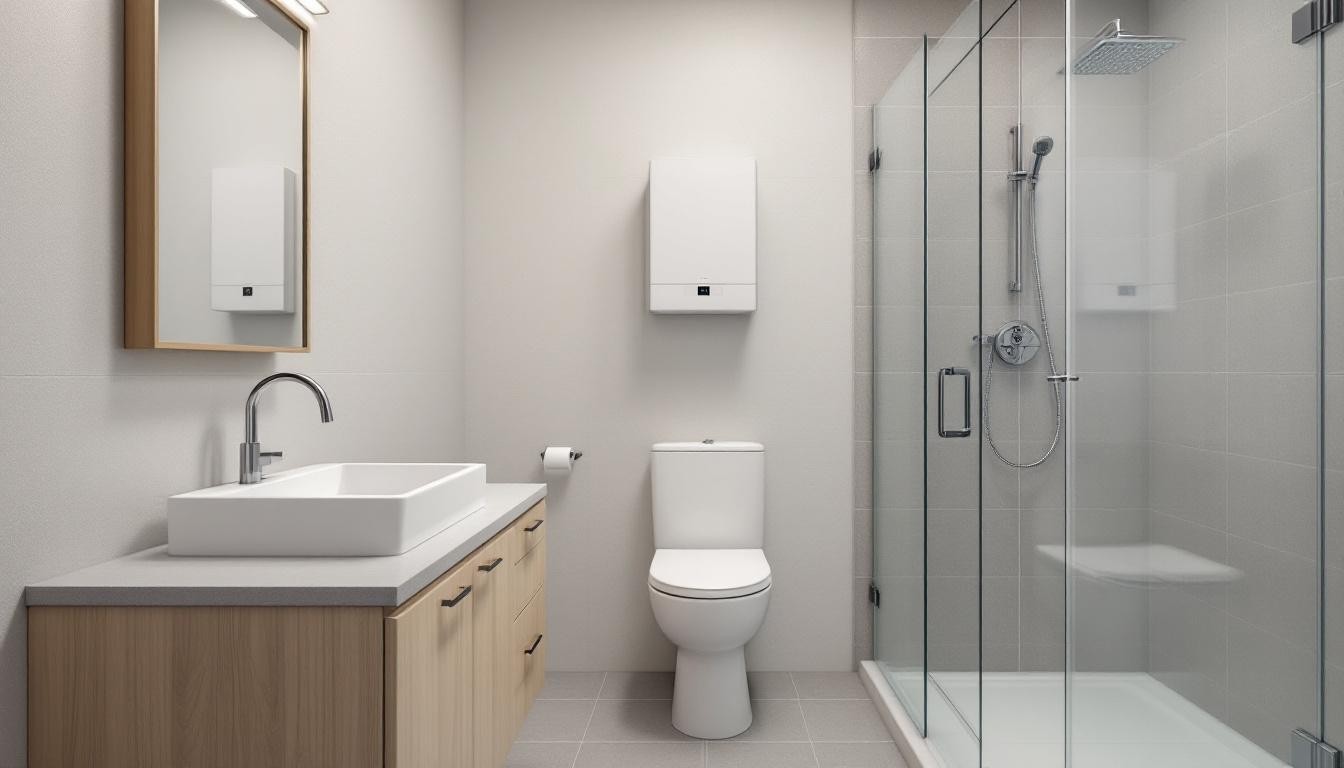
Bathrooms handle a lot of traffic in family homes. Between morning routines, bedtime prep, and everything in between, your bathroom needs to work hard and stay standing.
We at Dzala General Contractor know that bathroom upgrade must-haves for families go beyond looks. You need storage that actually holds everything, fixtures that survive daily chaos, and layouts that let multiple people get ready without stepping on each other.
Where Should Storage Go in a Family Bathroom
Position Storage Where You Use It
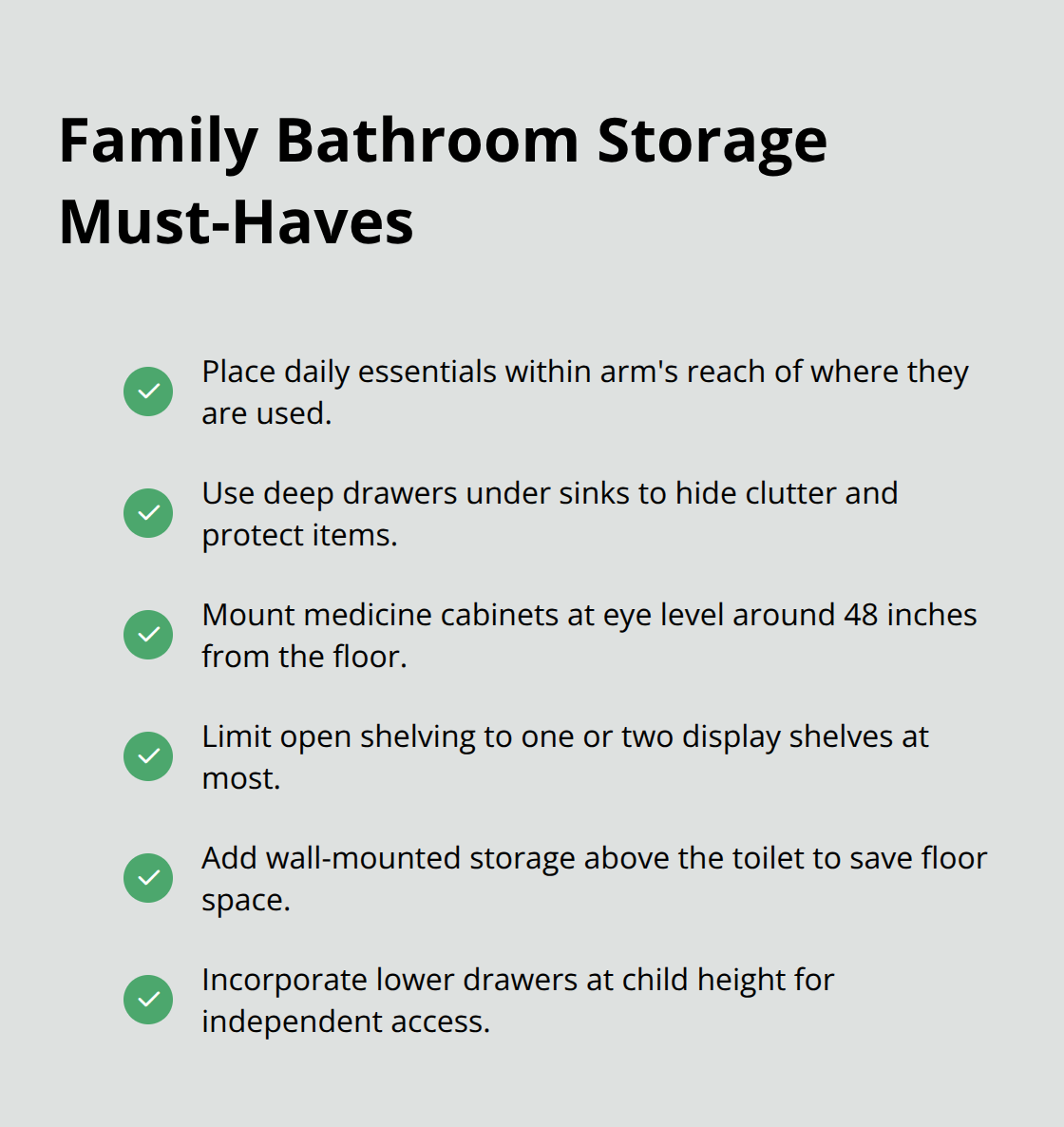
Family bathrooms need storage that works like a well-organized command center, not a cluttered catch-all. The smartest approach puts daily essentials within arm’s reach of where you actually use them. Built-in cabinets positioned directly under the sink make sense because that’s where most families keep cleaning supplies, extra toilet paper, and personal care items. Deep drawers beat shelves here because they hide clutter and keep moisture-prone items contained. Medicine cabinets should sit at eye level above the sink, roughly 48 inches from the floor, making them accessible for both adults and older children without a stool. This placement also keeps medications and first-aid supplies away from younger children’s reach. The counter space directly beside the sink works best for daily-use items like toothbrushes and soap dispensers.
Maximize Vertical and Hidden Space
Recessed shower niches eliminate the need for corner shelves that trap water and mold, and they cost between $300 and $500 to install. Wall-mounted storage above the toilet adds capacity without eating floor space, which matters in bathrooms smaller than 6 feet square, a common size in many new builds. Vertical storage-tall cabinets that reach the ceiling-maximizes square footage that most families waste. Open shelving should be limited to one or two shelves for display items only, because open shelves collect dust and require constant tidying in a space that already sees heavy daily use.
Choose Materials That Resist Moisture
The reality of family bathroom storage is that you need at least 50 percent more capacity than you think. Towels, bath toys, medications, cleaning products, hair tools, and personal items add up fast. Closed cabinetry keeps everything hidden and protected from moisture, which extends the life of stored items. Soft-close hardware on drawers and cabinet doors prevents slamming and protects fingers in a household with kids. Waterproof cabinetry made from marine-grade plywood or moisture-resistant materials prevents swelling and deterioration from the humid bathroom environment. Avoid particle board or standard plywood, which absorb moisture and fail within a few years.
Organize Lower Zones for Kids and Accessibility
Lower drawers positioned at child height-around 24 inches from the floor-let kids access their own supplies independently, which reduces morning bottlenecks and teaches responsibility. Under-sink cabinets should include a pull-out organizer or tiered shelving to make items in the back actually accessible instead of becoming forgotten storage. Corner cabinets with rotating shelves or pull-out systems solve the dead-space problem that wastes storage potential. A small linen cabinet in the corner or along an unused wall provides dedicated space for towels and linens, keeping them separate from cleaning supplies. This separation prevents cross-contamination and keeps clean items fresh.
Plan Storage Early in Your Remodel
Planning storage during the design phase of a bathroom remodel costs less than retrofitting cabinets later, so sketch out exactly what you need to store before finalizing your layout. Once you’ve mapped out your storage needs and placement, the next critical decision involves the fixtures themselves-choosing durable materials and designs that actually survive the daily demands of family life.
Fixtures That Handle Family Wear Without Breaking the Budget
Family bathrooms demand fixtures that survive spills, splashes, dropped bottles, and constant use without failing after two years. Families often choose fixtures based on looks alone, then regret it when they’re replacing them within months. The right approach prioritizes durability first, then finds options that look good while doing the job.
Flooring That Stops Accidents Before They Start
Wet bathroom floors cause injuries, and families with young children or elderly relatives need surfaces that grip even when soaking wet. Textured porcelain and ceramic tiles with a slip resistance rating of R10 or higher provide reliable traction, and large-format tiles (12×24 inches or bigger) reduce grout lines where moisture collects and mold grows. Vinyl flooring offers a practical alternative with built-in slip resistance, moisture protection, and costs roughly half what tile installation runs. Polished marble and glossy finishes become skating rinks when wet, and textured wood tiles that look real trap water in the grain. Non-slip mats placed strategically near the shower and sink add an extra safety layer for under $30, and they’re easy to replace when they wear out.
Countertops That Resist Stains and Moisture
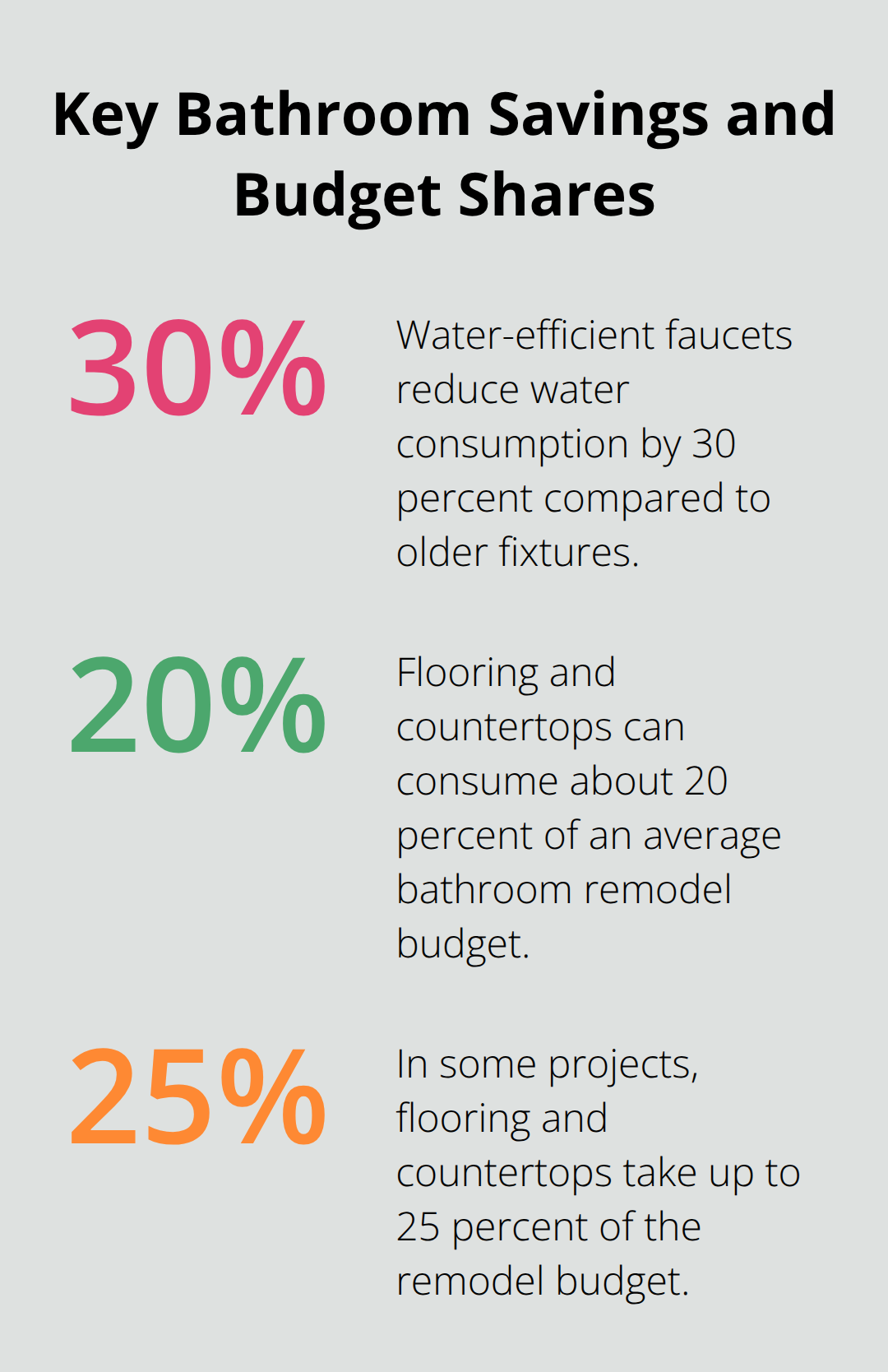
Quartz countertops resist stains, scratches, and moisture far better than laminate, lasting 20+ years with minimal maintenance compared to laminate’s 5 to 10 year lifespan. They cost more initially but save money long-term because you won’t refinish or replace them repeatedly. Solid-surface materials like Corian offer seamless construction that prevents water from seeping into seams where mold thrives. Tile countertops trap toothpaste, soap residue, and bacteria in grout lines that no amount of scrubbing fully removes. HomeAdvisor reports that bathroom remodels average around $12,081, with flooring and countertops typically consuming 20 to 25 percent of that budget, so choosing durable options upfront prevents costly replacements.
Water-Efficient Fixtures That Lower Monthly Bills
Water-efficient faucets with aerators rated at 1.5 gallons per minute reduce water consumption by 30 percent compared to older fixtures while lowering your monthly water bills, and many municipalities offer rebates for installing them. Dual-flush toilets use 1.28 gallons for liquid waste and 4.8 gallons for solid waste instead of the standard 6 gallons per flush, cutting toilet water usage nearly in half over a year. These upgrades pay for themselves through reduced utility costs within a few years.
Hardware and Finishes That Hide Wear
Soft-close cabinet doors and drawers prevent slamming that wakes sleeping children and stops fingers from getting pinched, adding roughly $200 to $400 to your cabinet costs but lasting through years of daily use. Matte or brushed metal finishes for faucets and hardware hide water spots and fingerprints far better than chrome or polished finishes, which require constant wiping to look clean. These finishes age beautifully and maintain their appearance with minimal effort. Once you’ve selected fixtures that withstand daily family life, the layout and lighting you choose determine whether your bathroom actually functions smoothly during peak morning hours or turns into a bottleneck where everyone waits their turn.
Smart Layout and Lighting for Functionality
Separate Functions to Eliminate Morning Bottlenecks
Multiple people need to get ready in one bathroom without chaos, and the solution lies in separating functions rather than cramming everything into one zone. The most effective family bathrooms split the toilet and shower area from the sink and grooming zone, allowing one person to shower while another brushes their teeth and a third uses the toilet. This separation costs more upfront but saves families hours every month by eliminating the standoff that happens when everyone needs the sink at once. A double vanity or extended counter spanning at least 48 inches gives each person their own space and reduces morning conflicts significantly. Installing two separate faucets instead of one long faucet with a shared spray head prevents arguments and keeps toothpaste from splashing across shared surfaces.
Maximize Counter Space in Smaller Bathrooms
Bathrooms smaller than 60 square feet require strategic choices that preserve movement while providing adequate counter space. A wall-mounted sink or a 36-inch vanity with deep drawers underneath provides adequate counter space without consuming floor area needed for movement. These compact options work well for families willing to prioritize function over a sprawling layout. The trade-off means less counter clutter but more efficient use of available space.
Install Task Lighting That Eliminates Shadows
Most family bathrooms rely on a single overhead fixture that creates harsh shadows across the mirror, making it nearly impossible to apply makeup, shave, or see what you’re doing. Task lighting mounted on both sides of the mirror at roughly 36 inches above the counter eliminates shadows and provides even illumination across the face. Ambient ceiling lighting at 60 watts or higher fills the room so people don’t stub their toes on wet floors during nighttime trips. Layered lighting in bathrooms combines task, ambient, and accent lighting for both functionality and mood. Accent lighting around the tub or along the floor adds visual interest while helping people navigate safely in low-light conditions.
Control Moisture With Proper Ventilation
Moisture control determines whether your bathroom stays fresh or develops mold that spreads through walls and creates health problems. A properly sized exhaust fan rated for your bathroom’s square footage removes humidity before it settles on surfaces and feeds mold growth. For a 50-square-foot bathroom, a fan rated for at least 50 CFM handles moisture effectively, while larger bathrooms need 100 CFM or higher. Running the exhaust fan during and for 20 minutes after showers prevents moisture from accumulating, and humidity-sensing fans that automatically turn on when moisture levels spike eliminate the guesswork. Sealing gaps around the tub, shower enclosure, and toilet prevents water from seeping into walls where mold thrives hidden from sight.
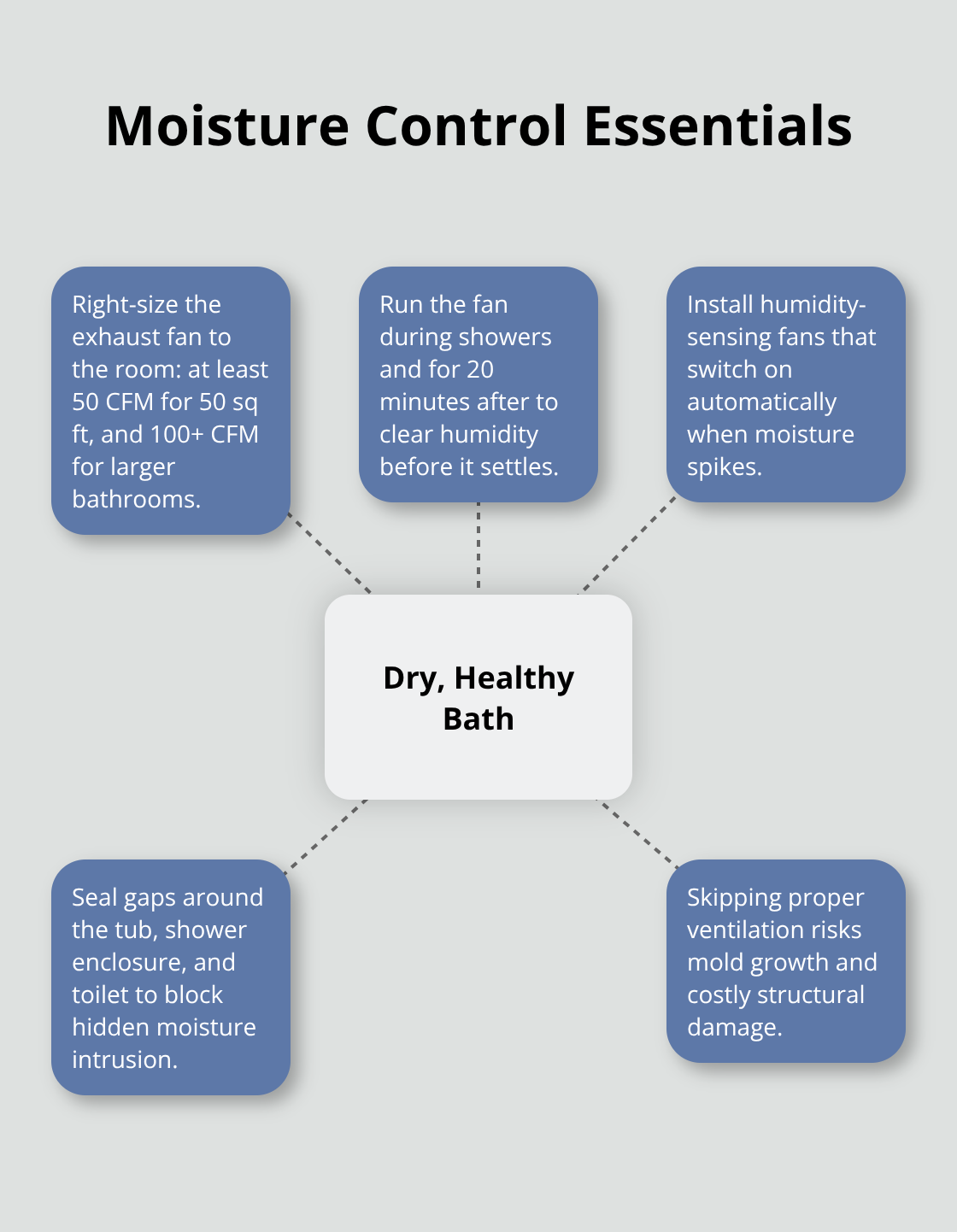
Poor ventilation leads to costly structural damage that bathroom remodels alone cannot fix, making it a false economy to skip adequate ventilation during your upgrade.
Final Thoughts
The bathroom upgrade must-haves for families come down to three core principles: storage that keeps everything accessible, fixtures that survive years of daily use, and layouts that let multiple people function simultaneously without friction. When you combine these elements, your bathroom stops being a source of morning stress and becomes a space that actually supports your family’s routine. A well-designed family bathroom saves time every single day, prevents injuries through non-slip flooring, stops mold from spreading through your walls, and lowers your monthly bills with water-efficient fixtures.
The real payoff arrives when you stop fighting your bathroom and start enjoying it. Kids access their own supplies from lower drawers, which reduces morning chaos. Adults get ready without stepping around each other, and cleaning happens faster because durable surfaces wipe clean instead of trapping dirt in grout lines. Your bathroom works with your family instead of against it.
Planning your remodel starts with an honest assessment of what your family actually needs. Walk through your current bathroom during morning rush hour and notice where bottlenecks happen, where storage fails, and where safety concerns exist (write down these pain points before meeting with a contractor). Contact Dzala General Contractor to start planning your family bathroom upgrade today.