Picking the wrong contractor can cost you thousands in delays, poor workmanship, and budget overruns. Finding the right contractor for renovations requires knowing what questions to ask and which red flags to watch for.
At Dzala General Contractor, we’ve seen homeowners in Arlington, Vienna, and Tysons make costly mistakes by rushing this decision. This guide walks you through the exact steps to evaluate contractors and protect your investment.
What Makes a Contractor Trustworthy
Verify the License and Insurance
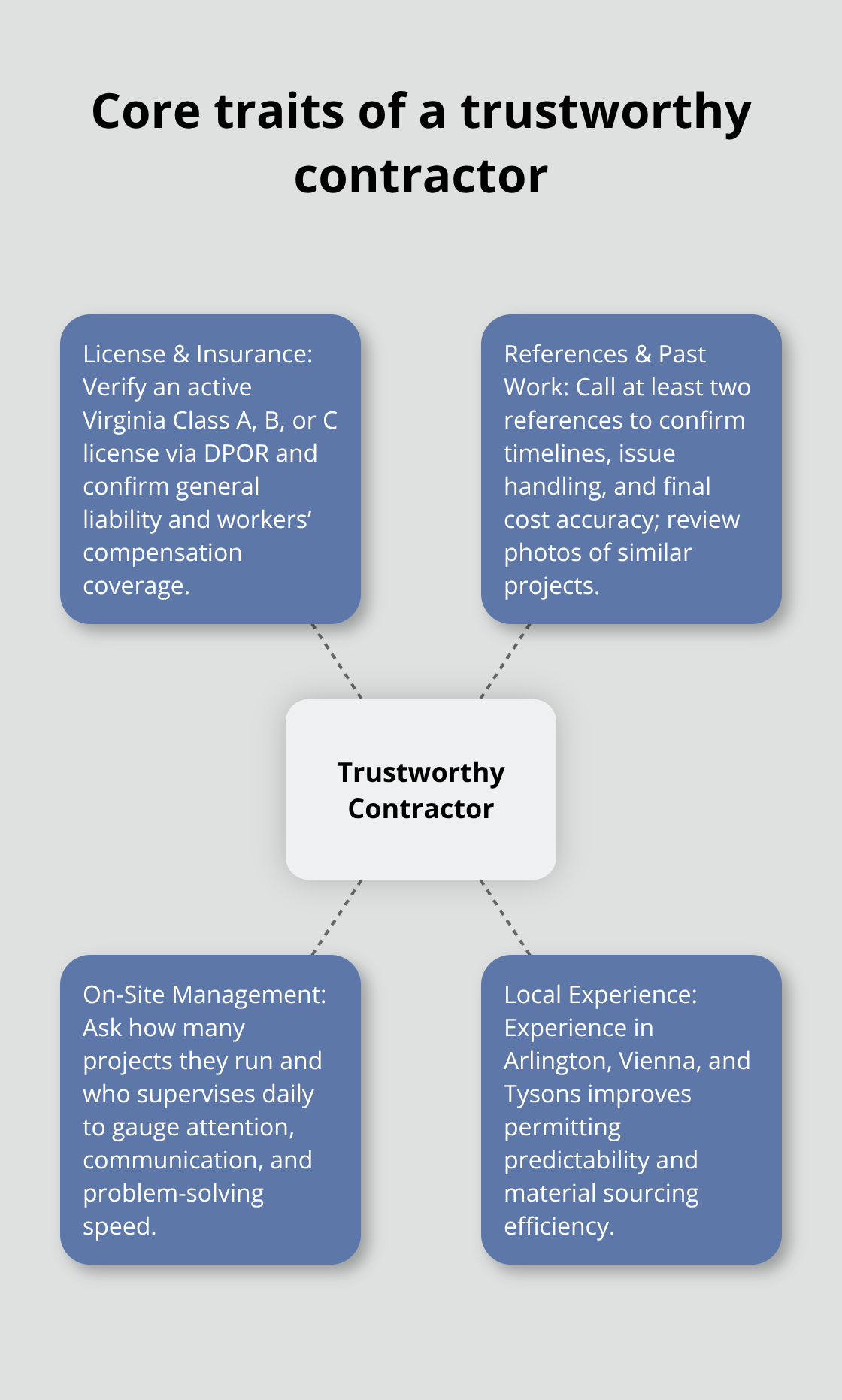
Licensing is not optional-it’s your first line of defense. In Virginia, contractors must hold a Class A, B, or C license depending on the contract value of their projects. Class A licenses cover contracts over $1 million, Class B covers $250,000 to $1 million, and Class C covers up to $250,000. Before hiring anyone, verify their license status through the Virginia Department of Professional and Occupational Regulation (DPOR) License Lookup tool. This step takes five minutes and reveals whether a contractor’s license is active, expired, or has disciplinary actions on record.
Insurance is equally non-negotiable. Request proof of general liability coverage and workers’ compensation insurance, and verify the policy limits are adequate for your project scope. A contractor without active insurance exposes you to significant financial risk if someone is injured on your property or if damage occurs. Contact the insurance company directly to confirm coverage rather than relying on documents the contractor provides-this verification step prevents hiring someone whose policy lapsed without their knowledge.
Assess References and Past Work
References separate serious contractors from amateurs. When a contractor provides references, contact at least two and ask specific questions about timeline adherence, how the contractor handled unexpected issues, and whether the final cost matched the initial estimate. Ask to see photos of completed work similar to your project type.
In Arlington, Vienna, and Tysons, where kitchen and bathroom remodels dominate the market, experience with these specific projects matters tremendously. A professional and reliable contractor who has successfully completed kitchen renovations in your area understands local permitting timelines and material sourcing better than someone working in these neighborhoods for the first time.
Evaluate On-Site Management and Oversight
During your initial consultation, ask how many projects the contractor manages simultaneously. Contractors juggling eight active projects may lack the attention to detail your renovation demands, while someone managing two or three can dedicate proper oversight. Ask directly about their role on-site-will the owner supervise your project daily, or will a project manager handle day-to-day decisions? This distinction affects communication quality and problem-solving speed when issues arise. Understanding who you’ll interact with throughout construction helps you assess whether the contractor’s management style aligns with your expectations and communication preferences.
How to Evaluate Contractor Quotes and Proposals
Getting three to five bids is standard practice, but most homeowners stop there and pick the lowest price. This approach costs money. According to the National Association of REALTORS, homeowners who prioritize price alone often face scope creep, material substitutions, and timeline delays that erase any initial savings. The real work happens when you compare what each contractor actually proposes to build. Request detailed line-item breakdowns from every bidder so you can see exactly what materials, labor hours, and services each quote covers. One contractor might include premium fixtures and full-day site cleanup while another lists basic materials and leaves cleanup to you. A quote that appears $5,000 cheaper often reflects fewer inclusions, not better efficiency.
Compare Pricing Across Multiple Bids
Align all bids to the same scope before comparing prices, then evaluate which contractor offers the best value for your specific project needs. This comparison reveals whether a contractor cuts corners or simply operates more efficiently. Ask each bidder to explain any significant price differences between their estimate and competitors’ estimates. A contractor who charges substantially more should articulate what additional value they provide-better materials, faster timelines, or superior warranty coverage. Conversely, a contractor who undercuts all competitors may lack experience or plan to substitute cheaper materials mid-project. Comparing their scope and detail across multiple quotes ensures you understand what drives price variations and whether lower bids represent genuine savings or hidden compromises.
Review Project Timeline and Milestones
Contractors in Arlington, Vienna, and Tysons should provide realistic timelines tied to local permitting processes. Virginia’s permitting system involves multiple reviews-Zoning, Site, Building Plan, and Fire Marshal reviews can extend project schedules by weeks if your contractor hasn’t accounted for them.
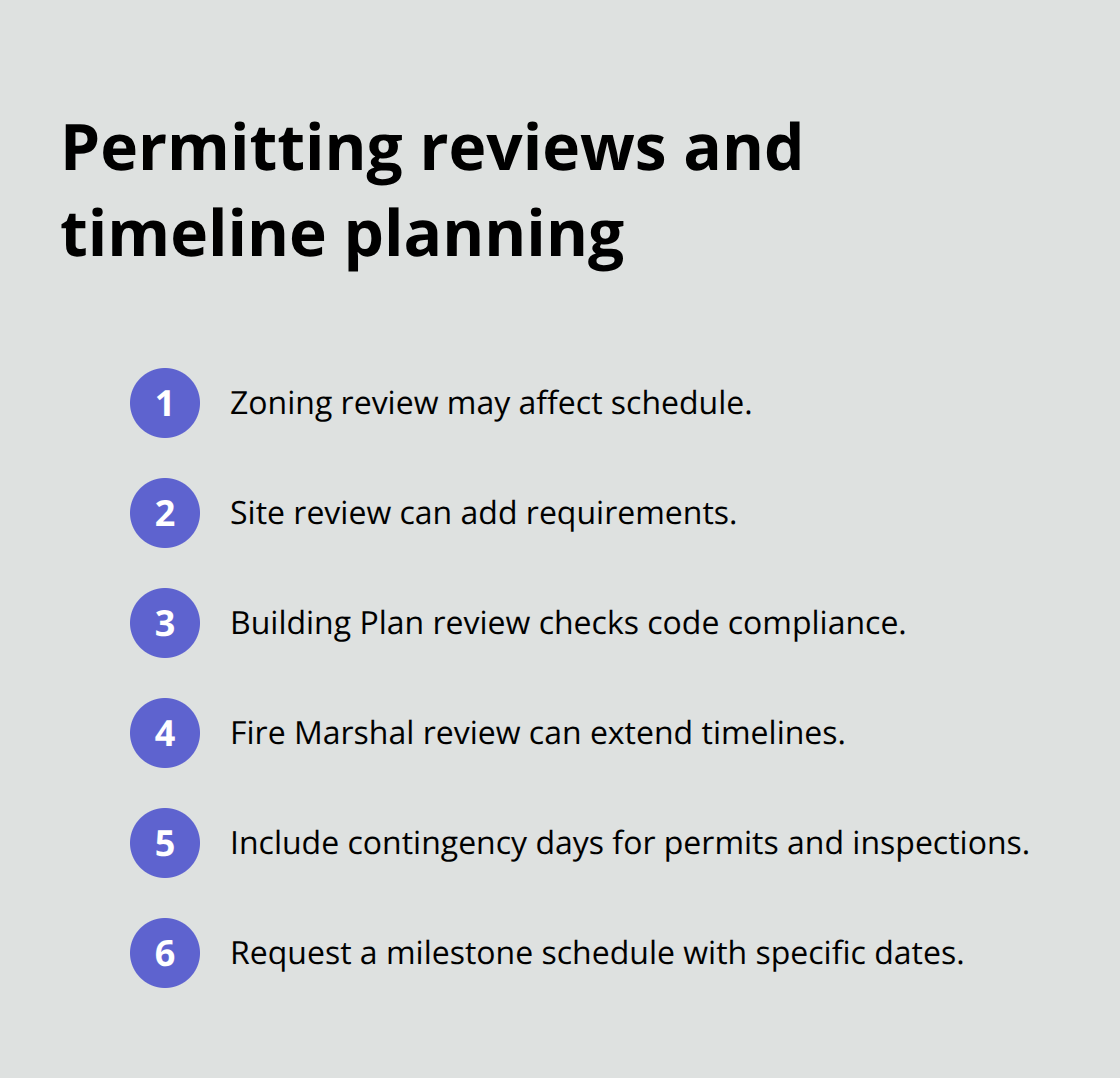
Ask each bidder how they handle permit delays and whether their timeline includes contingency days for inspections or material delivery issues. Request a milestone schedule that breaks the project into phases with specific completion dates, not vague timelines like four to six months. The contractor who provides detailed milestones demonstrates they’ve worked in your area before and understand local timelines.
During your evaluation, also ask how the contractor communicates schedule changes. A contractor who notifies you immediately when delays occur and adjusts the timeline accordingly prevents frustration and scope disputes later. This communication pattern matters more than the initial timeline itself, since unforeseen conditions almost always extend renovation schedules.
Understand What’s Included in the Estimate
Payment schedules reveal contractor stability and risk management. Avoid any contractor requesting 50 percent or more upfront-this structure puts your money at risk before work begins. Industry standard practice involves an initial deposit of 10 to 20 percent, followed by progress payments tied to completed milestones, with a final 10 percent held until project completion.
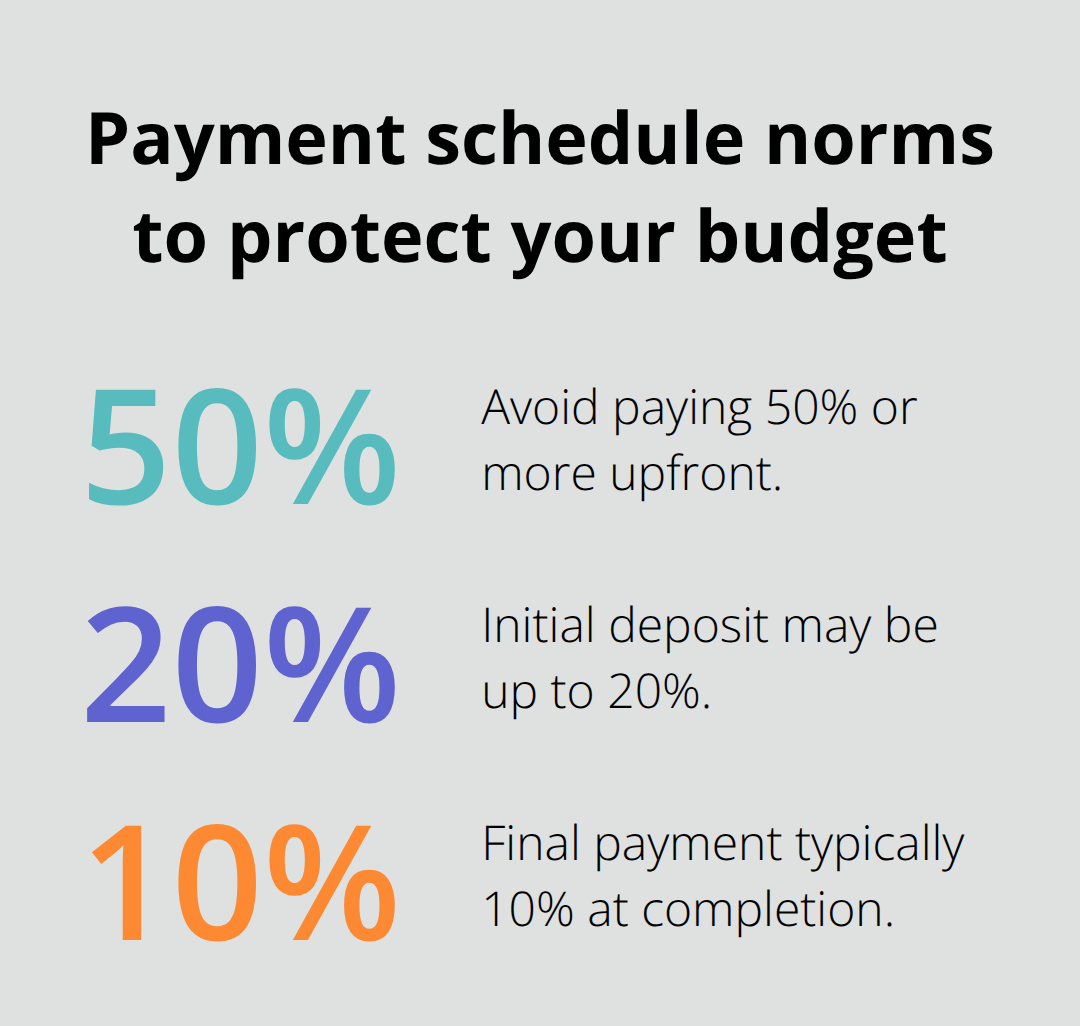
Clarify exactly what triggers each payment: is it when framing is complete, when inspections pass, or when materials arrive on-site? Vague payment terms create disputes when disagreements arise about work quality.
Also ask whether the contractor’s estimate includes material and project-management markups, and if so, what percentage. Transparency here prevents sticker shock when invoices arrive. Request a change-order process in writing so both parties understand how additional work will be priced and approved before it happens. With your quotes evaluated and payment terms clarified, you’re ready to identify which contractors actually operate in your specific neighborhood and which ones have built strong reputations there.
Finding Quality Contractors in Your Area
Verify Licenses Through Official Channels
Start your contractor search with Virginia’s Department of Professional and Occupational Regulation License Lookup tool. This public database confirms whether a contractor holds an active Class A, B, or C license and reveals any disciplinary history. A Class A license covers contracts over $1 million, Class B covers $250,000 to $1 million, and Class C covers up to $250,000. This verification takes five minutes and protects you from unlicensed operators. Never rely solely on platform badges or contractor claims-confirm the license status directly through DPOR before proceeding with any contractor.
Evaluate Online Listings and Local Presence
Yelp serves as a practical starting point for finding contractors in Arlington, Vienna, and Tysons. Top-rated listings in your area typically show 4.3 to 5.0 stars and display verified badges that signal credential checks and buyer protection features. Examine actual project photos in contractor portfolios to assess craftsmanship quality rather than relying on ratings alone. Many local contractors advertise response times of 10 to 60 minutes, which indicates operational efficiency and accessibility. Family-owned and locally operated firms understand Arlington County and Fairfax County permitting requirements far better than contractors working across multiple regions. When you identify promising candidates, request free estimates from at least three contractors who operate specifically in your neighborhood, as familiarity with local code enforcement, material suppliers, and permit timelines directly impacts project success and cost predictability.
Assess Professional Qualifications and Experience
Virginia requires eight hours of pre-license education covering basic regulations and business requirements before a contractor sits for the licensing exam administered by PSI. This education requirement filters out inexperienced operators but does not guarantee competence, which is why references and past project verification remain essential. When interviewing contractors, ask specifically about their experience with renovation projects in Arlington, Vienna, or Tysons. Someone who has completed five kitchen remodels in your exact neighborhood understands local material availability, typical permit timelines, and builder-specific challenges. The National Association of Realtors reports that homeowners who hire licensed, insured contractors with verifiable local experience recover significantly higher resale value from renovations than those who cut corners on contractor selection.
Contact References and Verify Track Records
Ask each contractor how many active projects they manage simultaneously in your specific area, as this reveals whether they maintain consistent quality standards or overextend themselves across too many concurrent jobs. Request written references from recent projects completed within the last two years in your neighborhood, then contact those homeowners directly. Ask whether final costs matched initial estimates, whether the contractor communicated proactively about delays, and whether they would hire the same contractor again. This direct feedback from neighbors who faced identical permitting processes and site conditions provides far more relevant information than generic online reviews from other regions. Local references confirm that a contractor delivers consistent results in your specific market rather than relying on isolated positive experiences elsewhere.
Final Thoughts
Finding the right contractor for renovations requires you to verify credentials through official channels, compare detailed proposals side-by-side, and contact local references who completed similar projects in Arlington, Vienna, or Tysons. License verification through Virginia’s DPOR database takes minutes and eliminates unlicensed operators immediately. Detailed line-item quotes reveal whether contractors cut corners or operate efficiently, while neighborhood references confirm that a contractor delivers consistent results in your specific market.
Request free estimates from three contractors who operate specifically in your area and ask about their simultaneous project load, their on-site management approach, and how they handle permit delays. When you’ve narrowed your choices, review each contractor’s payment structure carefully and avoid anyone requesting 50 percent or more upfront-industry standard practice involves an initial deposit of 10 to 20 percent, followed by progress payments tied to completed milestones, with a final 10 percent held until project completion. Request a written change-order process so both parties understand how additional work will be priced and approved before it happens.
A successful contractor partnership starts with clear expectations and consistent communication. The contractor who provides detailed milestone schedules, explains price variations honestly, and responds quickly to your questions demonstrates the professionalism your renovation demands. Contact Dzala General Contractor to discuss how we can bring your renovation vision to life with quality craftsmanship and reliability in Arlington, Vienna, or Tysons.