Split-level homes offer unique architectural possibilities that most other house styles simply don’t. The multiple levels create natural zones for living, but they also demand thoughtful planning during renovation.
At Dzala General Contractor, we’ve guided countless homeowners through split level home renovation ideas that work specifically for Arlington, Vienna, and Tysons properties. This guide walks you through the creative solutions that transform these distinctive homes into spaces that function beautifully for modern living.
What Split-Level Homes Demand
Split-level homes present architectural advantages that reward thoughtful renovation but punish shortcuts. The staggered floor plan naturally separates living zones-bedrooms on one level, living areas on another, sometimes with a sunken family room-which reduces cross-traffic noise and creates privacy without walls. However, this same vertical complexity makes flow between levels critical. Poor transitions feel choppy and disconnected; good ones make the home feel larger and more cohesive. The challenge lies in connecting these distinct zones visually and functionally while respecting the home’s original structure. In Arlington, Vienna, and Tysons, split-level homes built primarily in the mid-century remain common, and their multi-level layouts demand renovation approaches that enhance rather than fight their natural geometry.
Vertical Space Works Better Than Horizontal Expansion
Split-level homes on narrow lots-which describe most properties in Arlington and Vienna-offer limited footprint expansion. A second-story addition above an existing level houses a new master suite with an en-suite bathroom, adding genuine value without consuming yard space. Designers should plan for at least 8 feet of ceiling height on upper additions and ensure staircase placement doesn’t chop up the floor plan. The goal is vertical growth that feels intentional, not cramped. Energy-efficient windows and thoughtful insulation become non-negotiable when you add a new level, as poor thermal performance defeats the renovation’s purpose.
Materials and Sightlines Shape Perception
Cohesion across levels requires consistent material choices and unobstructed sightlines. Repeating wood tones, flooring materials, or accent colors across visible spaces-even when those spaces sit on different levels-visually unites the home. Railings deserve particular attention: solid walls block light and sightlines, while wood slat partitions or glass panels maintain brightness and make spaces feel connected. Natural light transfer between levels matters significantly in Arlington’s winter months; north-facing additions need strategic window placement and possibly skylights to avoid dark transitions. Custom millwork tailored to the split-level layout (built-in shelving that spans multiple levels, coordinated cabinetry, hidden storage solutions) transforms awkward vertical transitions into architectural features rather than obstacles.
Flow Determines Function
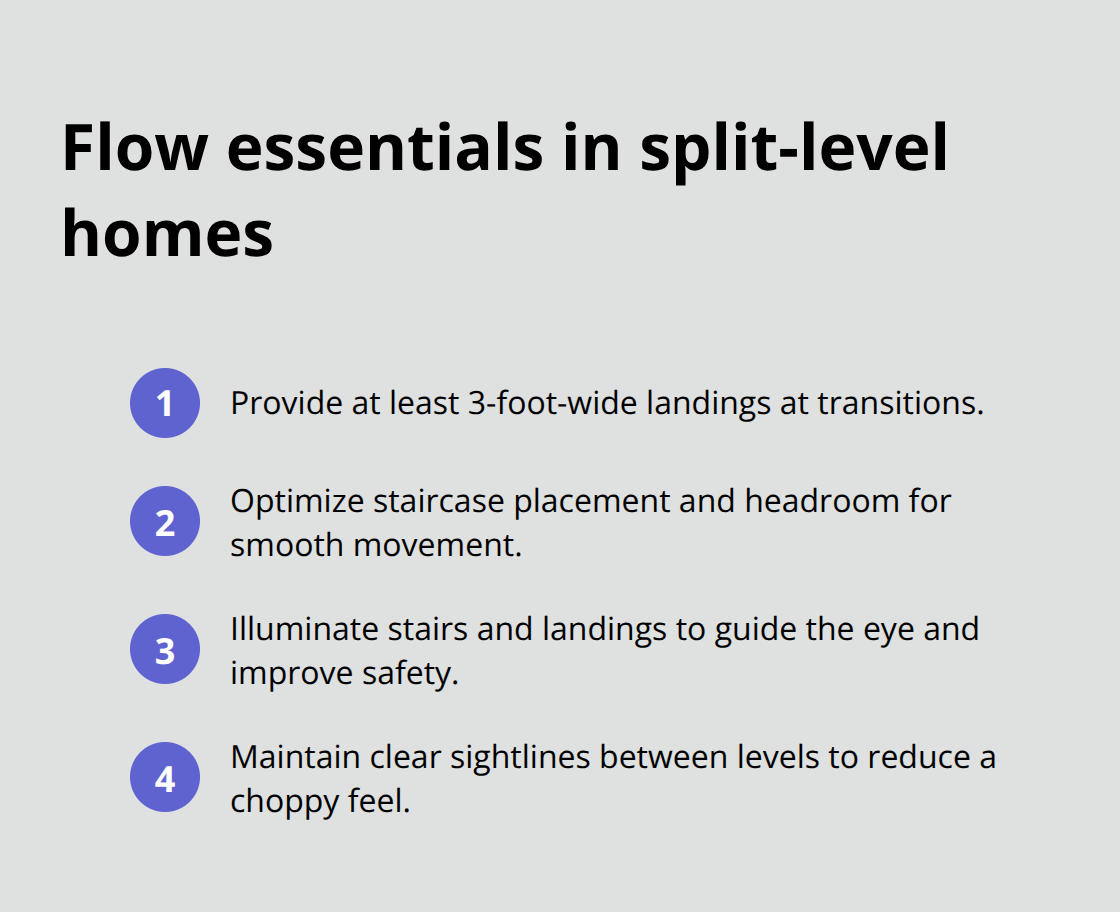
Poor transitions between levels create frustration in daily living. Staircase placement, landing width, and headroom all affect how residents move through the home. A landing that feels cramped or a staircase that dominates the visual field interrupts the sense of cohesion you’ve worked to establish. Wide landings (at least 3 feet) allow furniture placement and reduce the feeling of a bottleneck. Lighting at transitions-particularly on stairs and landings-improves safety and guides the eye through the space. When you plan a split-level renovation, prioritize how people actually move through the home, not just how it looks in photographs. This practical focus separates successful renovations from those that look good but feel awkward to live in.
What Split-Level Renovations Actually Need
Kitchen and Bathroom Work Drives Real Value
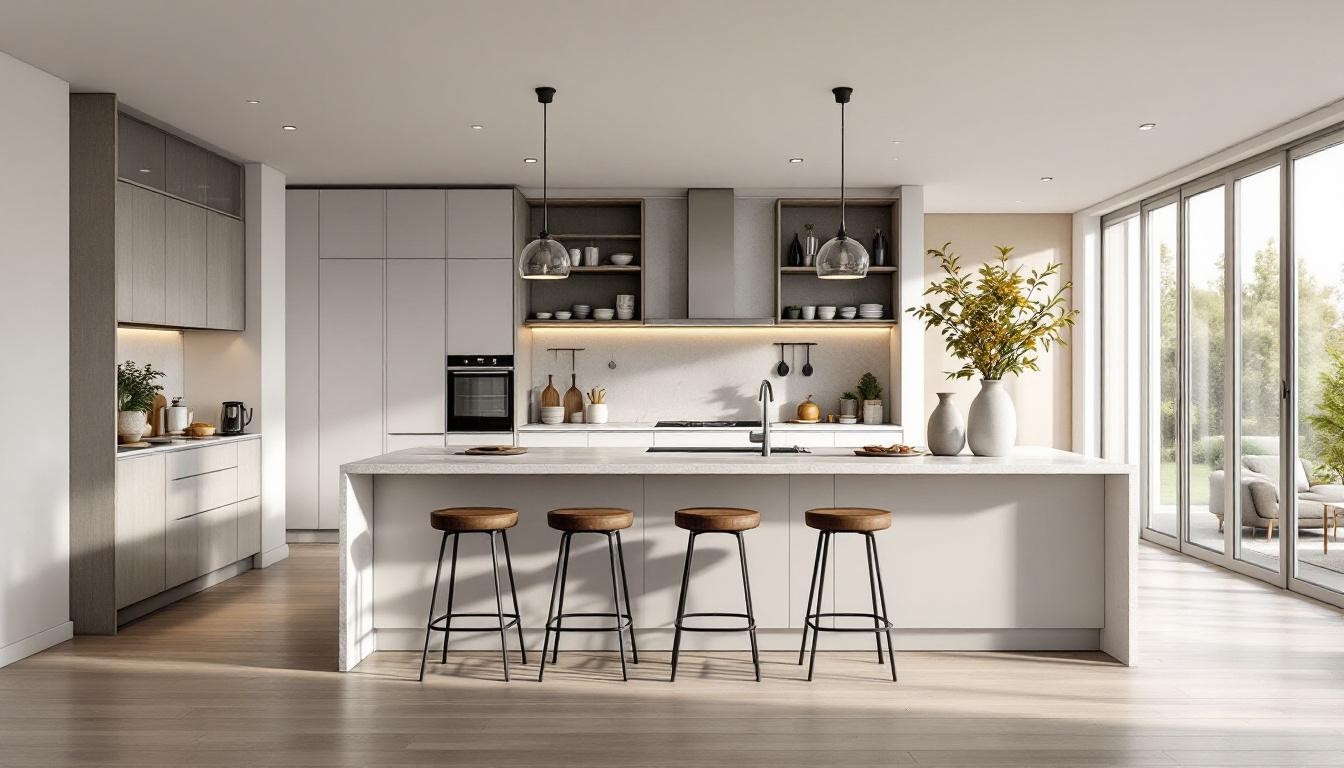
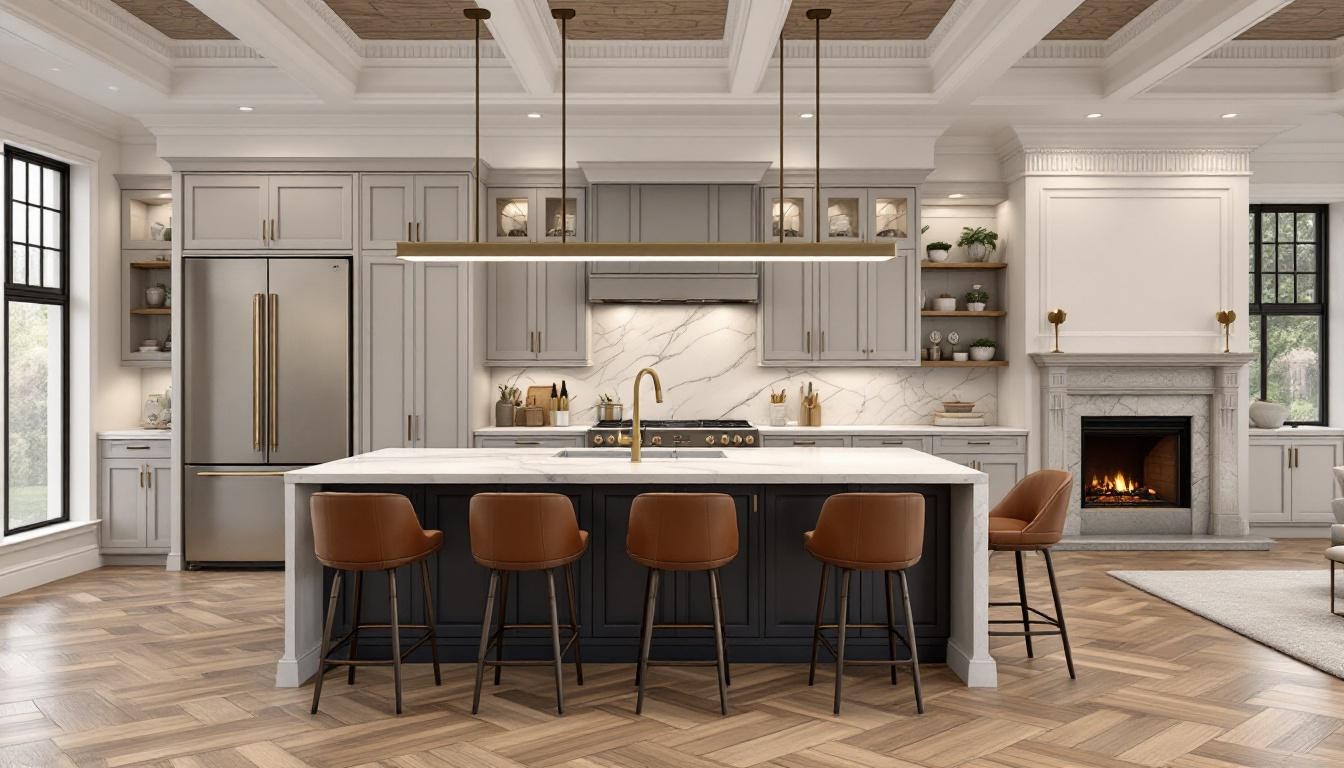
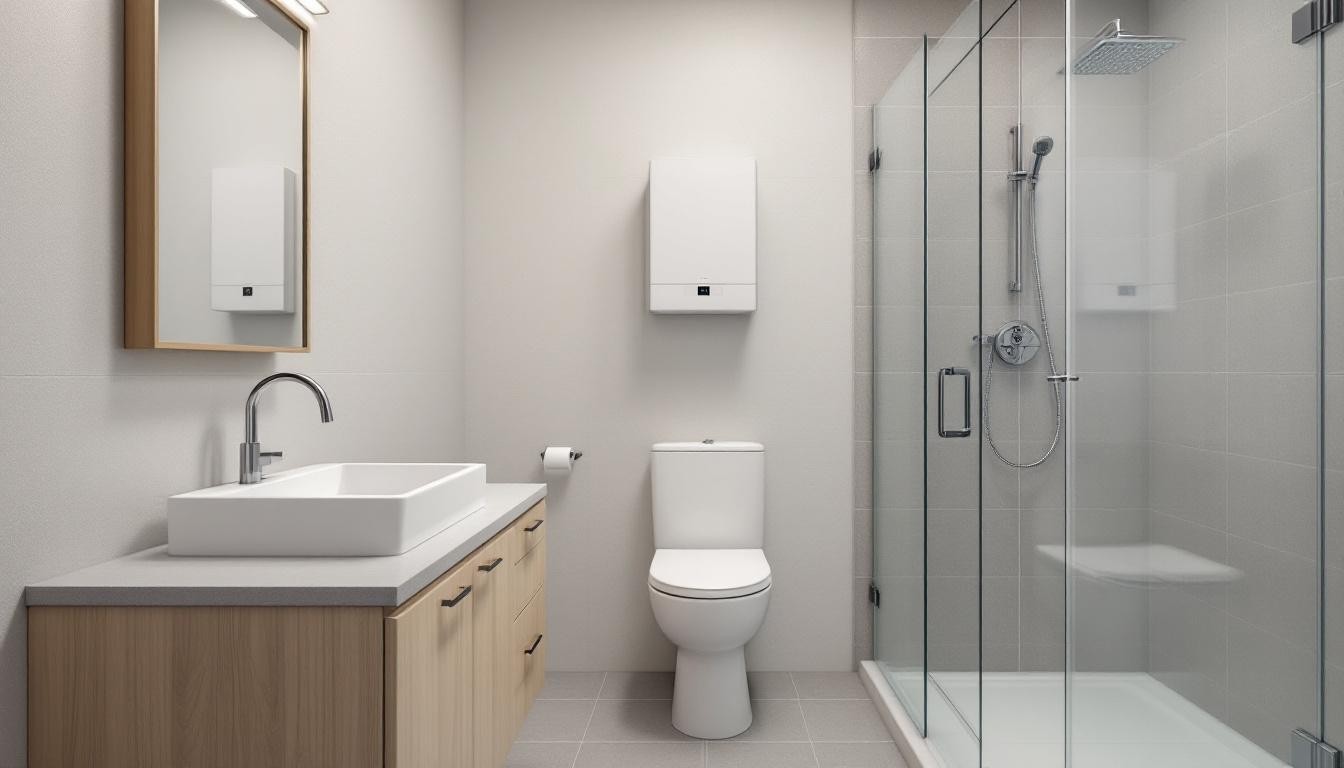
Kitchen and bathroom upgrades stand as the highest-impact renovation for split-level homes, and the specifics matter far more than generic improvements. A split-level kitchen positioned on the main level serves as the visual and functional heart of the home; modernizing it with updated cabinetry, quartz countertops, and integrated appliances transforms daily living and commands attention when visitors enter. Bathrooms scattered across levels demand individual attention-a primary bathroom on the upper level needs at least 5 feet of clear floor space and proper ventilation to prevent moisture issues in confined spaces, while a powder room on the lower level benefits from smart storage solutions like recessed shelving or wall-mounted vanities that don’t consume precious square footage. The real insight: don’t upgrade kitchens and bathrooms uniformly across levels. Invest heavily in the spaces you use daily and see constantly; a secondary bathroom on a lower guest level can function perfectly well with simpler finishes if the primary bath gets premium treatment.
Staircase and Landing Design Shape Daily Movement
Transitions between levels require deliberate detail work that most homeowners overlook. Staircase redesign-widening treads, improving headroom, adding proper handrails and lighting-costs between $3,000 and $8,000 but dramatically improves both safety and the sense of flow. Landing design matters equally; a 3-foot-wide landing at each level transition allows furniture placement and prevents the cramped feeling that plagues poorly executed split-level homes. Flooring continuity across visible transitions creates cohesion without breaking the bank-carrying the same wood tone or neutral material from one level to the next visually connects spaces that sit at different heights.
Natural Light Transforms Vertical Spaces
Window placement and skylights become structural investments that pay dividends. A split-level home with limited south-facing exposure (common in Arlington and Vienna neighborhoods with dense tree coverage) needs strategic skylights above stairwells or landings to flood transitions with natural light. Upper-level additions particularly benefit from high windows placed at ceiling height or clerestory windows that pull light deep into the space without sacrificing privacy or wall space for furniture. This attention to light transfer between levels prevents dark, disconnected transitions that make homes feel smaller rather than larger.
Built-In Storage Solves Vertical Challenges
Storage solutions integrated into the vertical architecture-built-in shelving that spans between levels, under-stair cabinetry, or custom millwork tailored to the home’s specific geometry-transform dead space into functional features. These aren’t afterthoughts; they should be planned during the design phase so electrical, plumbing, and structural elements accommodate them properly. Smart storage placement (particularly in Arlington, Vienna, and Tysons homes where square footage comes at a premium) eliminates clutter and makes the home feel more organized and spacious. When you work with experienced contractors on your split-level renovation, they identify opportunities for hidden storage that most homeowners miss during initial planning.
Split-Level Renovations in Arlington, Vienna, and Tysons
Understanding Local Zoning and Building Codes
Arlington, Vienna, and Tysons operate under distinct zoning frameworks and building code requirements that directly impact split-level renovation scope and cost. Arlington County enforces stricter setback requirements than Vienna or Loudoun County jurisdictions, meaning a rear addition that works in Vienna might violate Arlington’s 25-foot rear setback rule. The county’s Design Guidelines also favor exterior materials that complement neighborhood character-earth tones and traditional siding over modern metals and glass in most residential zones. Vienna applies similar but slightly more flexible standards, while Tysons, governed by Fairfax County, offers the most permissive height allowances for second-story additions but demands extensive traffic impact studies for larger projects.
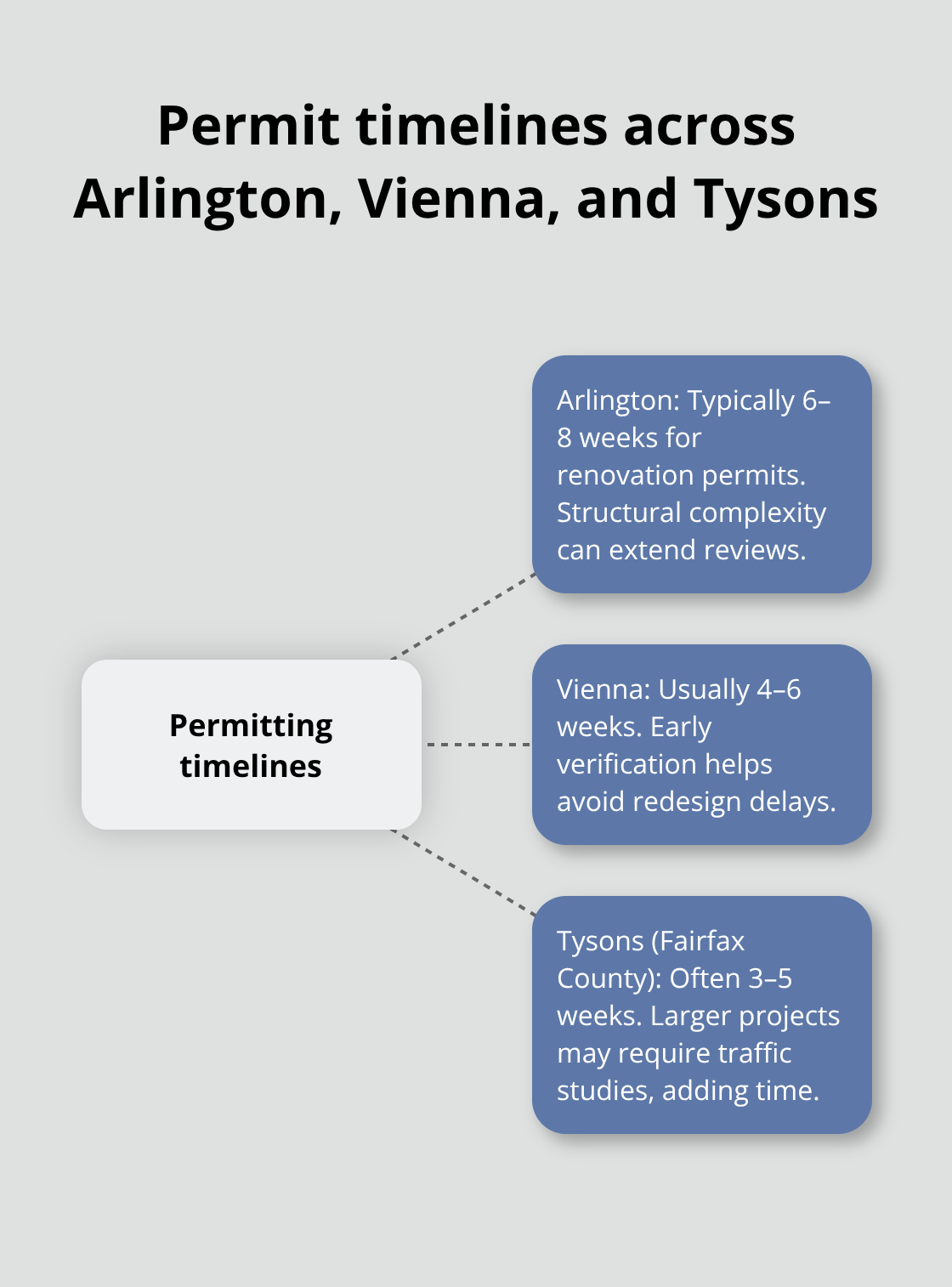
Verify your specific lot’s zoning designation and setback requirements with the local planning department before selecting a contractor or finalizing design plans. This 30-minute research step prevents costly design revisions later. Permit timelines vary dramatically: Arlington typically requires 6–8 weeks for renovation permits, Vienna 4–6 weeks, and Tysons 3–5 weeks, though complex additions with structural changes can extend these significantly.
Navigating Permit Processes Across Three Jurisdictions
A contractor experienced in all three jurisdictions understands these nuances and manages permit applications efficiently rather than forcing you to navigate bureaucracy alone. The differences between Arlington, Vienna, and Tysons aren’t minor-they fundamentally shape what additions are feasible and how long projects take. Contractors unfamiliar with local requirements often underestimate complexity and either inflate costs or compromise quality to recover margin.
Evaluating Contractor Experience in Split-Level Work
Most general contractors claim versatility but lack specific expertise in the vertical complexity that split-level homes demand. Ask directly how many split-level additions they’ve completed in Arlington, Vienna, or Tysons-not hypothetically, but with verifiable project photos and client references you can contact. Request a portfolio showing staircase redesigns, second-story additions, and transitions between levels; poor craftsmanship in these areas becomes immediately obvious.
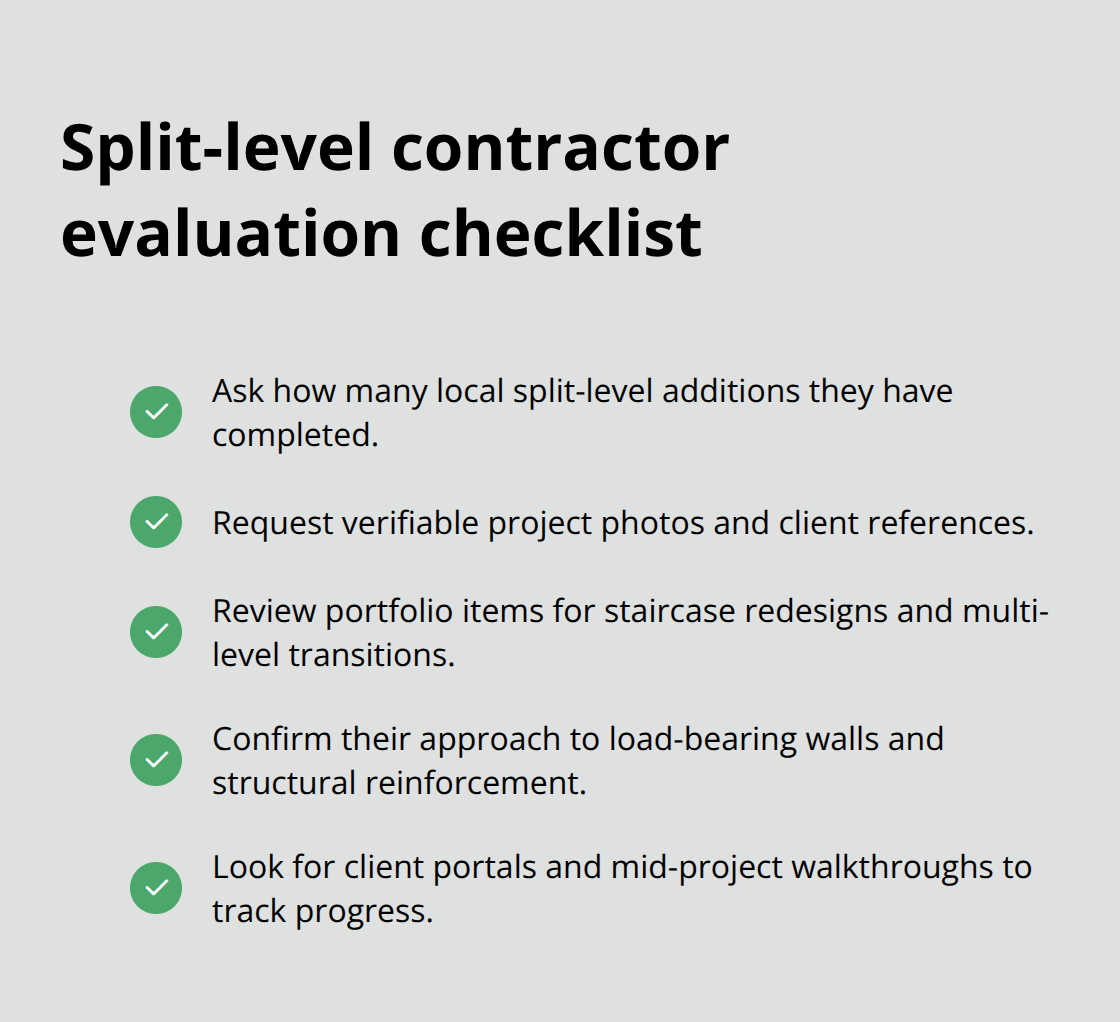
A contractor should explain their approach to load-bearing walls, structural reinforcement requirements, and how they’ll maintain your home’s original architectural character during expansion. Schedule initial consultations with at least two contractors and compare not just pricing but their communication style and project management systems. A contractor offering online portals for progress tracking and mid-project walkthroughs demonstrates professionalism that translates to fewer surprises and timeline adherence.
What to Look for in a Split-Level Contractor
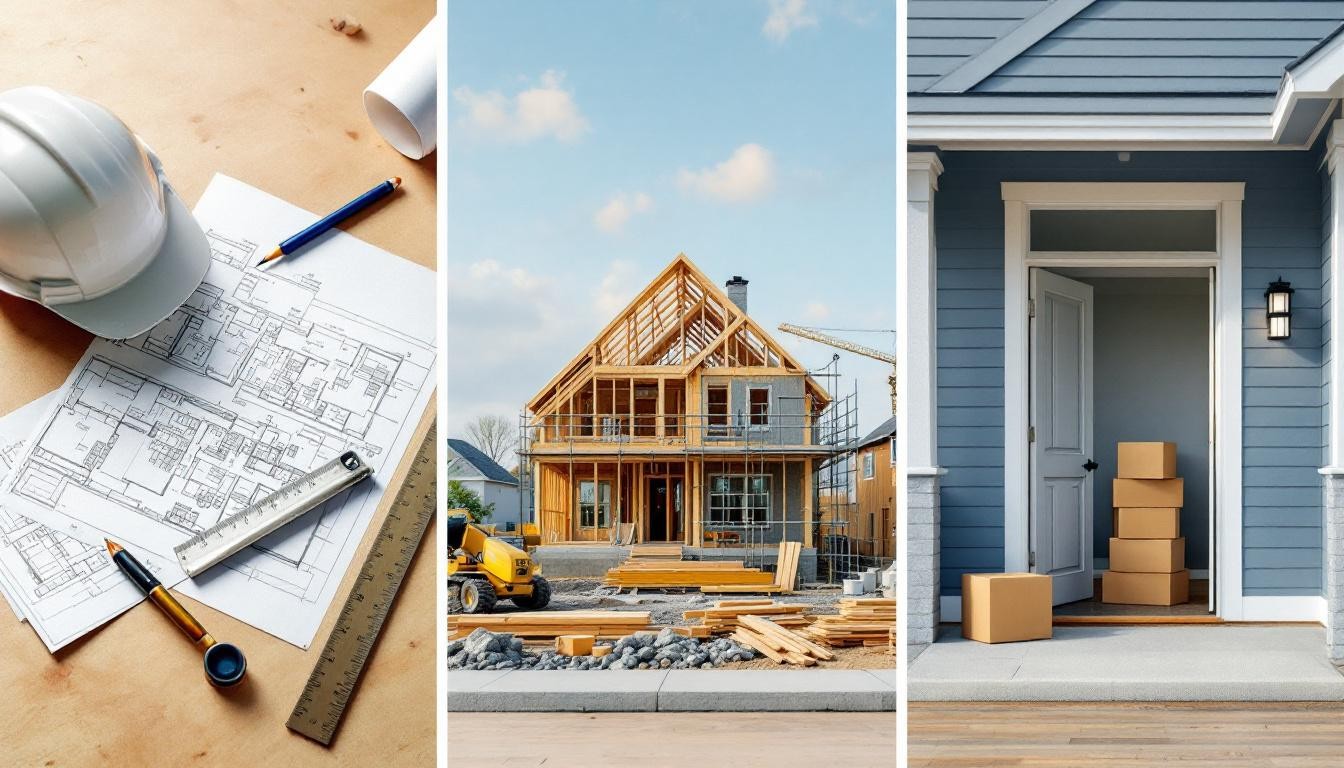
Local expertise matters more for split-level work than generic construction experience. A contractor familiar with Arlington’s specific challenges, Vienna’s zoning patterns, and Tysons’ permit requirements will navigate your project more effectively than one treating your home as a standard renovation. Look for contractors who handle the entire process from design consultation through final inspection, managing permit procurement and coordinating with local inspectors so you’re not managing multiple vendors.
The portfolio tells the story-examine how contractors have handled transitions between levels, how they’ve integrated additions with existing structures, and whether their finished work respects the home’s original character. References from previous split-level clients in your area provide invaluable insight into how contractors actually perform under the specific conditions your neighborhood presents.
Final Thoughts
Split-level home renovation ideas succeed when they respect the home’s natural geometry while solving real daily-living problems. Professional guidance matters because split-level complexity demands expertise most homeowners don’t possess, and local zoning variations between Arlington, Vienna, and Tysons create permit challenges that inexperienced contractors underestimate. Structural considerations around load-bearing walls, ceiling heights, and staircase placement require knowledge that separates successful renovations from costly mistakes.
A contractor who completes multiple split-level projects in your specific jurisdiction understands these nuances and manages them efficiently rather than forcing you to navigate bureaucracy or absorb unexpected costs. One team managing architectural planning, permit procurement, and construction eliminates miscommunication between separate vendors and keeps your project on track. We at Dzala General Contractor have guided homeowners through split-level projects across Arlington, Vienna, and Tysons, understanding how each jurisdiction’s requirements shape what’s feasible and how long projects take.
Schedule a free consultation to discuss your split-level renovation goals, timeline, and budget. Visit Dzala General Contractor to explore how we transform split-level homes into spaces that function beautifully for modern living. Our team stands ready to answer your questions and help you move forward with confidence.